Manu National Park, a biodiversity gem recognized by UNESCO in the heart of the Peruvian Amazon, offers an unparalleled pristine nature experience. However, planning a trip to this remote paradise involves a crucial decision: visit during the dry season (May to October) or venture into the rainy season (November to April)? Each season radically transforms the landscape, wildlife, and the overall travel experience.
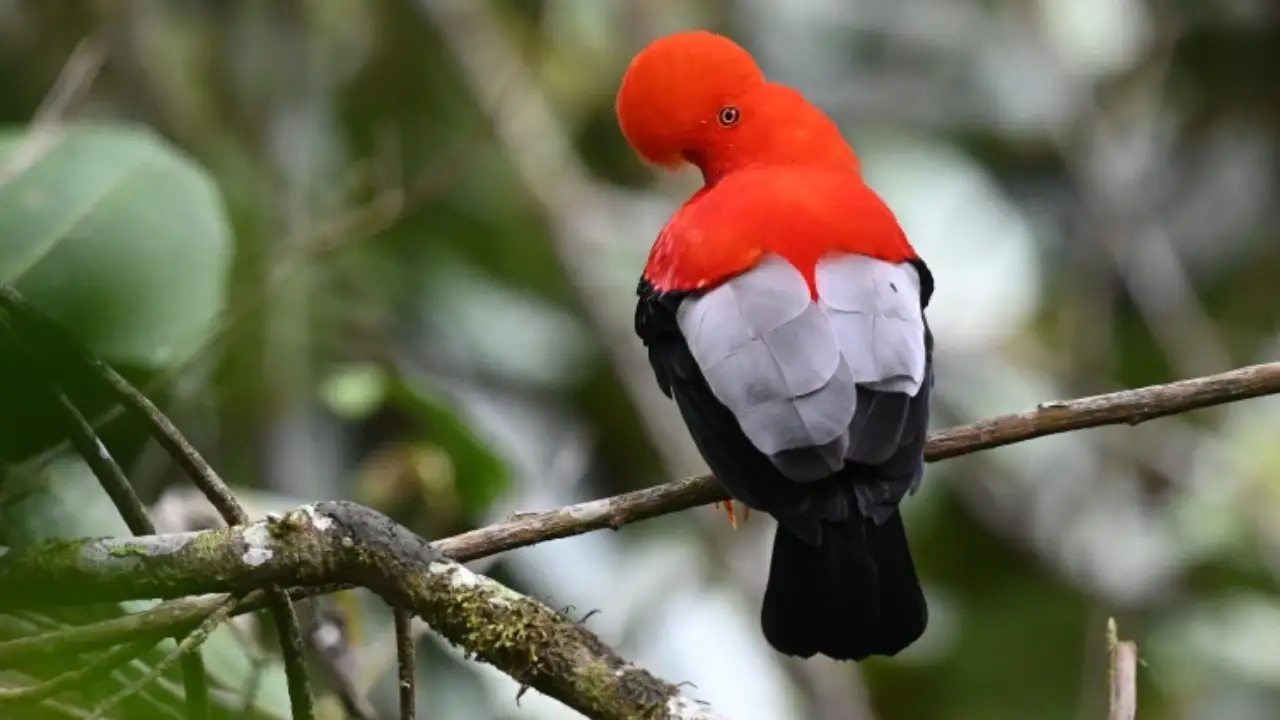
This detailed comparative guide will help you decide the best time for your Manu adventure, analyzing the advantages and disadvantages of each season and exploring one of the park’s most iconic experiences: observing the Cock-of-the-Rock.
Manu: One Park, Two Seasons
Dry Season (May to October): Accessible Splendor
Considered by many to be the best time to visit, the dry season offers more stable weather with less rainfall and clearer skies.
Advantages:
- Better Wildlife Observation: With lower river levels, animals such as caimans, turtles, and mammals—including the elusive jaguar—gather along riverbanks and exposed beaches, making them easier to spot. The famous macaw clay lick activity is also more intense, as birds gather to consume clay that helps neutralize toxins from the seeds they eat.
- Optimal Travel Conditions: Trails are drier and easier to walk, making hikes more comfortable and safer. River navigation is also more predictable.
- Greater Tour Availability: There are more confirmed tour departures and greater logistical availability.
Disadvantages:
- Higher Tourist Traffic: It is the high season, especially in July and August, meaning you will share the experience with more visitors.
- Slightly Higher Prices: High demand may be reflected in the cost of tours and accommodations.
- Occasional Cold Fronts (“Friajes”): Between May and August, cold air masses from the south can lower temperatures to around 10°C (50°F), requiring warm clothing.
Rainy Season (November to April): The Jungle at Its Most Vibrant
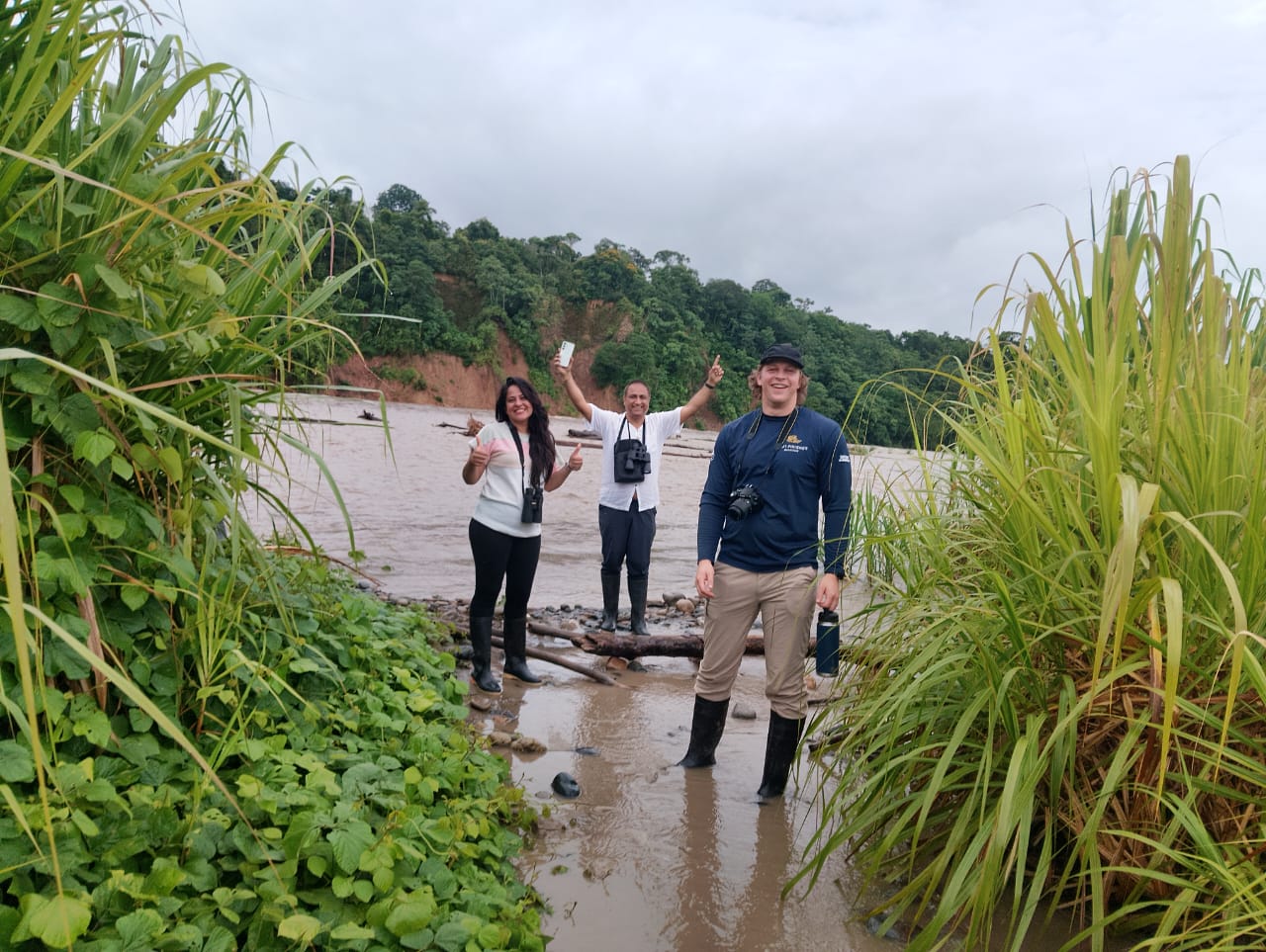
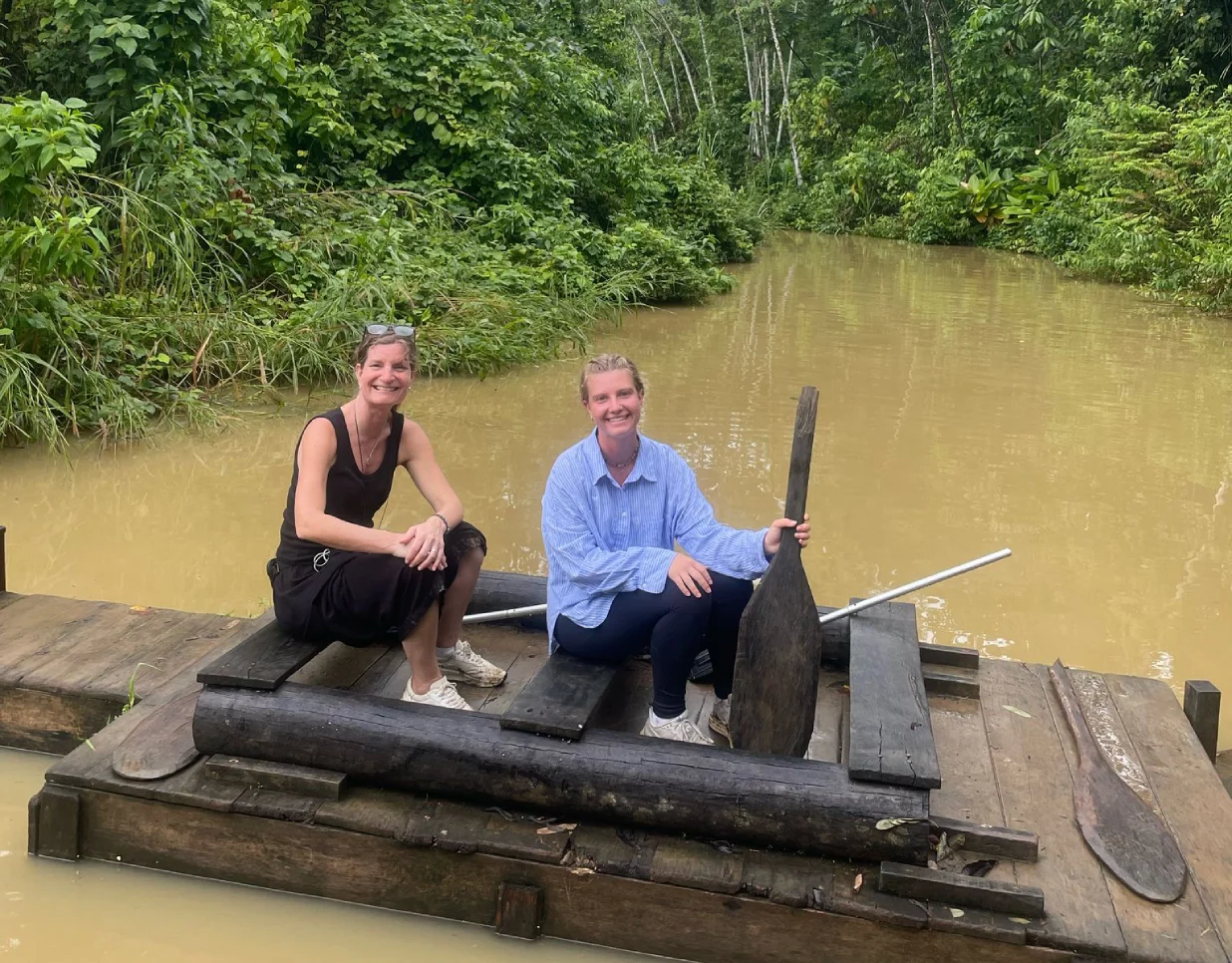
The rainy season transforms Manu into an even greener and more vibrant world, offering a more intimate and wild experience.
Advantages:
- Lush Landscape and Flourishing Vegetation: The rainforest displays its most intense and dense vegetation. It is an excellent time for botany enthusiasts, as many plants bloom.
- Fewer Tourists: The lower number of visitors allows for a more personal and peaceful connection with nature, often at more accessible prices.
- Specific Wildlife Behavior: This season is crucial for the reproduction of many species. The abundance of ripe fruits such as camu camu, aguaje, and cocona attracts different species of monkeys that actively feed on them. It is the main nesting season for many birds and the breeding season for amphibians and reptiles, which become more active and easier to observe. Sloths may also be easier to spot as algae grow on their fur thanks to the humidity, helping them camouflage.
- Better Navigation in Remote Areas: Higher river levels allow boats to reach deeper and more remote areas of the park.
Disadvantages:
- Challenging Weather Conditions: Rain is frequent and sometimes intense, although often intermittent. Trails become muddy and slippery, requiring good physical condition and proper gear.
- More Insects: The humidity brings a greater presence of mosquitoes and other insects, making a strong insect repellent essential.
- Possible Delays: Heavy rains can cause delays on road transfers from Cusco due to fog or landslides, and may affect excursion schedules.