What is Tambopata and why visit it?
Tambopata is one of the most biodiverse destinations on the planet, located in the Peruvian Amazon, within the Madre de Dios region. The Tambopata National Reserve protects more than 270,000 hectares of pristine rainforest, making it a paradise for nature lovers.
Here you will find unique ecosystems such as:
- Primary tropical forests
- Wetlands and swamps
- Oxbow lakes
- Bamboo forests
Thanks to this diversity, Tambopata is home to:
- More than 600 bird species
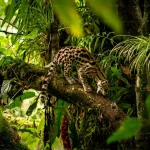
- More than 100 mammal species
- Thousands of insects and plants
It is an ideal destination for those seeking nature tourism, adventure, and wildlife observation.
What to see in Tambopata?
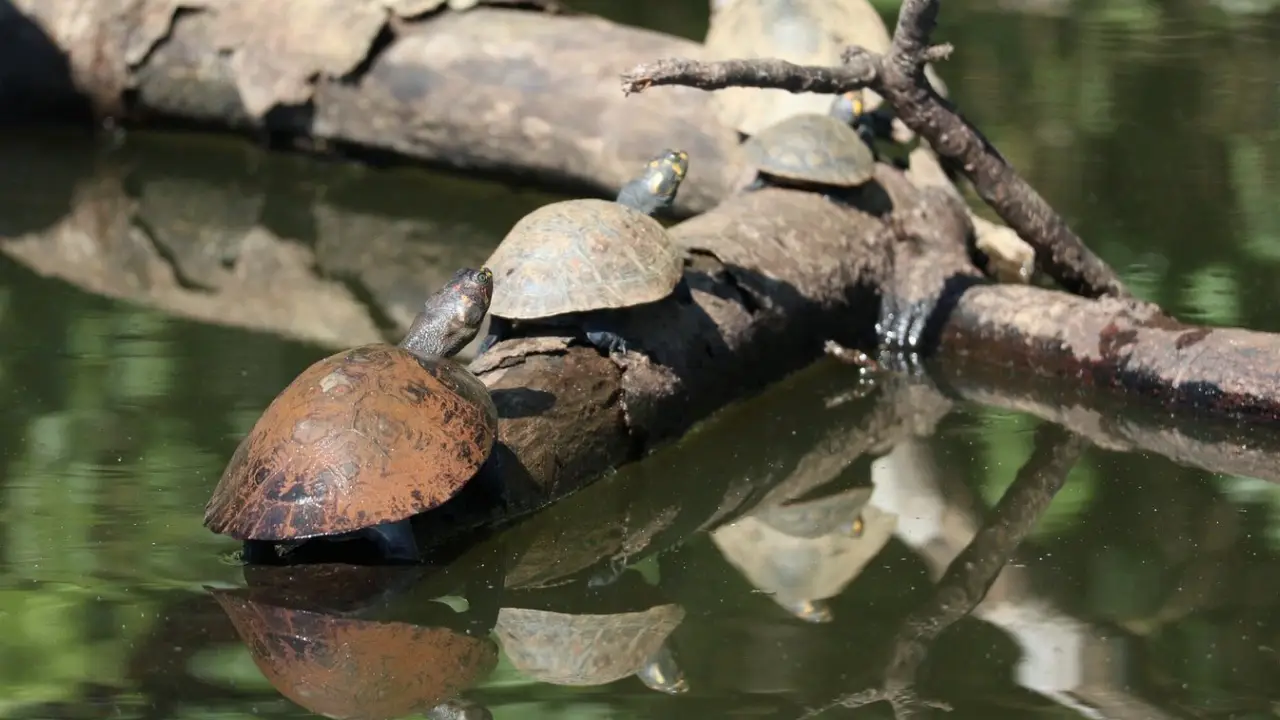
One of the main attractions is its incredible wildlife. During your visit, you can observe:
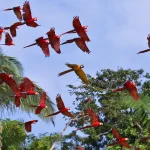
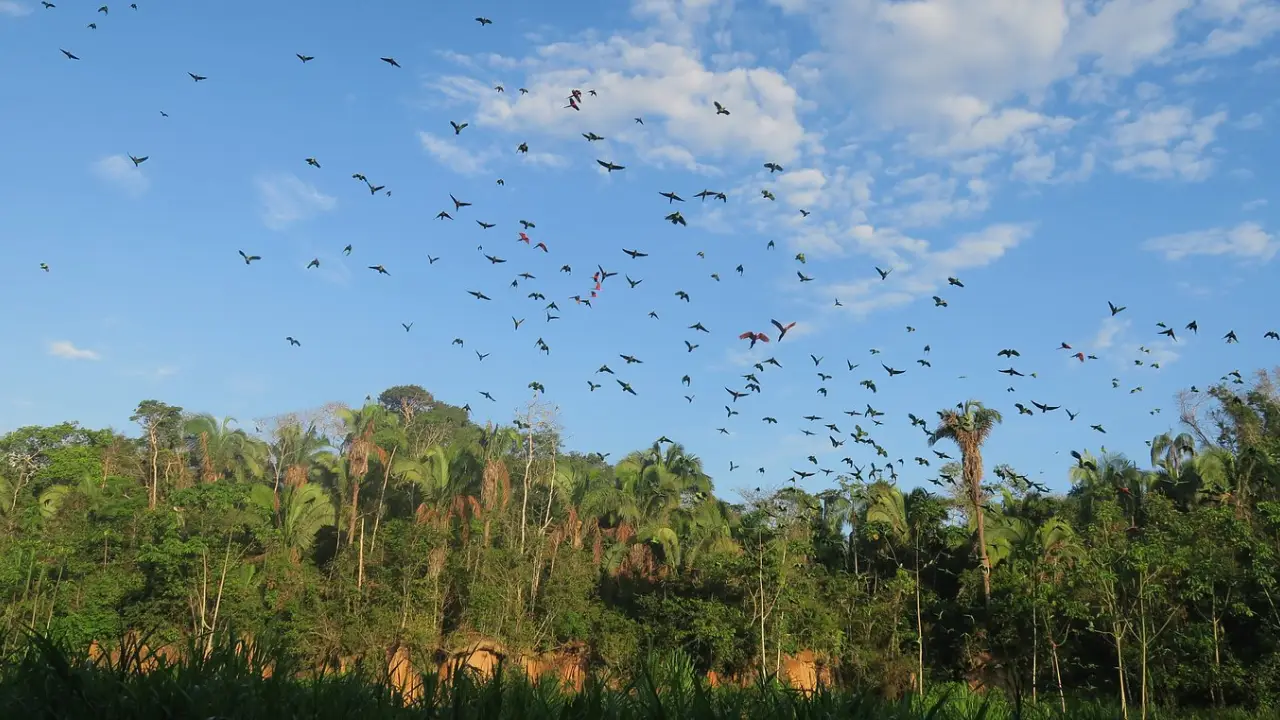
- Macaws and parrots at clay licks (such as the famous Chuncho Clay Lick)
- Monkeys in their natural habitat
- Caimans in rivers and lagoons
- Toucans and exotic birds
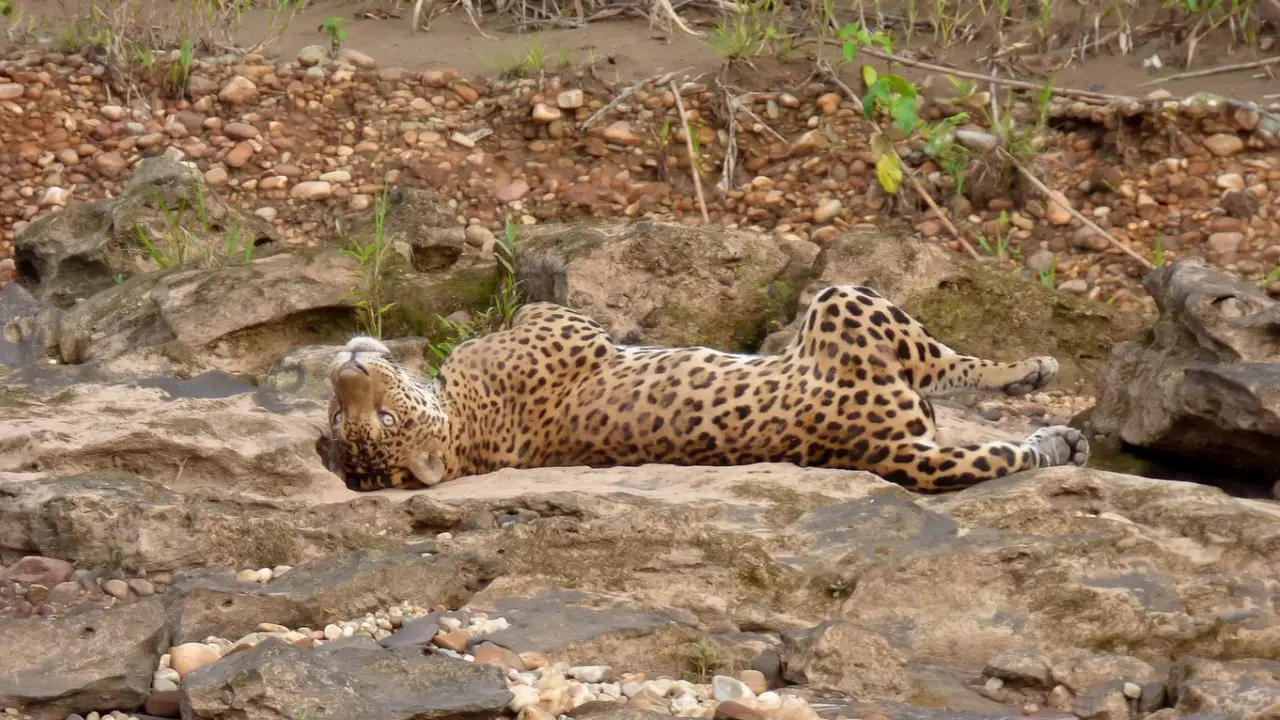
- (With luck) jaguars
Tambopata is considered one of the most biodiverse areas in the world, guaranteeing a unique experience on every visit.

How to get to Tambopata?
Access to Tambopata is through Puerto Maldonado, the main gateway to the jungle.
Ways to get there:
- Flight from Lima (approx. 1h 40 min)
- Flight from Cusco (direct or with stopover)
Once in Puerto Maldonado:
- Land transfer to the port
- Boat trip along the Tambopata River (1 to 4 hours depending on the lodge)
The deeper into the jungle you travel, the higher the chances of seeing wildlife.
Traveling by bus is not recommended for safety reasons.
Best time to travel to Tambopata
Tambopata can be visited year-round, but each season has its advantages:
Dry season (April – November)
- Less rain
- Better for excursions
- More accessible hikes
Rainy season (December – March)
- Greater macaw activity
- Nesting season
- Greener landscapes
January and February are the rainiest months, although rain is usually not constant.
Culture and local communities
Tambopata is also home to the indigenous Ese Eja community, who have lived in the jungle for generations.
Today, many communities combine traditional activities such as:
- Fishing
- Agriculture
- Brazil nut harvesting
with sustainable ecotourism, generating income while preserving their natural environment.
Tours and accommodation in Tambopata
Most travelers visit Tambopata through eco-lodges that include:
- Transportation from Puerto Maldonado
- Jungle accommodation
- Full meals
- Guided excursions
Lodges are usually located within or near the reserve, offering experiences such as:
- Jungle hikes
- Boat rides
- Wildlife observation
- Night tours
Choosing a good operator is key to the experience.
What to bring to Tambopata?
To fully enjoy your trip, it is important to pack properly:
Essentials:
- Light long-sleeve clothing
- Boots or trekking shoes
- Insect repellent
- Sunscreen
- Hat and sunglasses
- Headlamp
- Small backpack
Recommended:
- Binoculars
- Camera with a long lens
- Poncho or raincoat
Neutral colors are ideal to avoid scaring wildlife.
Practical tips for traveling to Tambopata
- Arrive early in Puerto Maldonado to avoid missing river transport
- Bring cash in small bills
- Book with reliable operators
- Consider travel insurance
- Stay hydrated and protected from the sun
Is it worth traveling to Tambopata?
Definitely yes. Tambopata is one of the best destinations in the Peruvian Amazon because of:
- Its accessibility
- High biodiversity
- Authentic experiences
- Sustainable tourism
It is perfect for both adventurous travelers and those looking to disconnect and connect with nature.