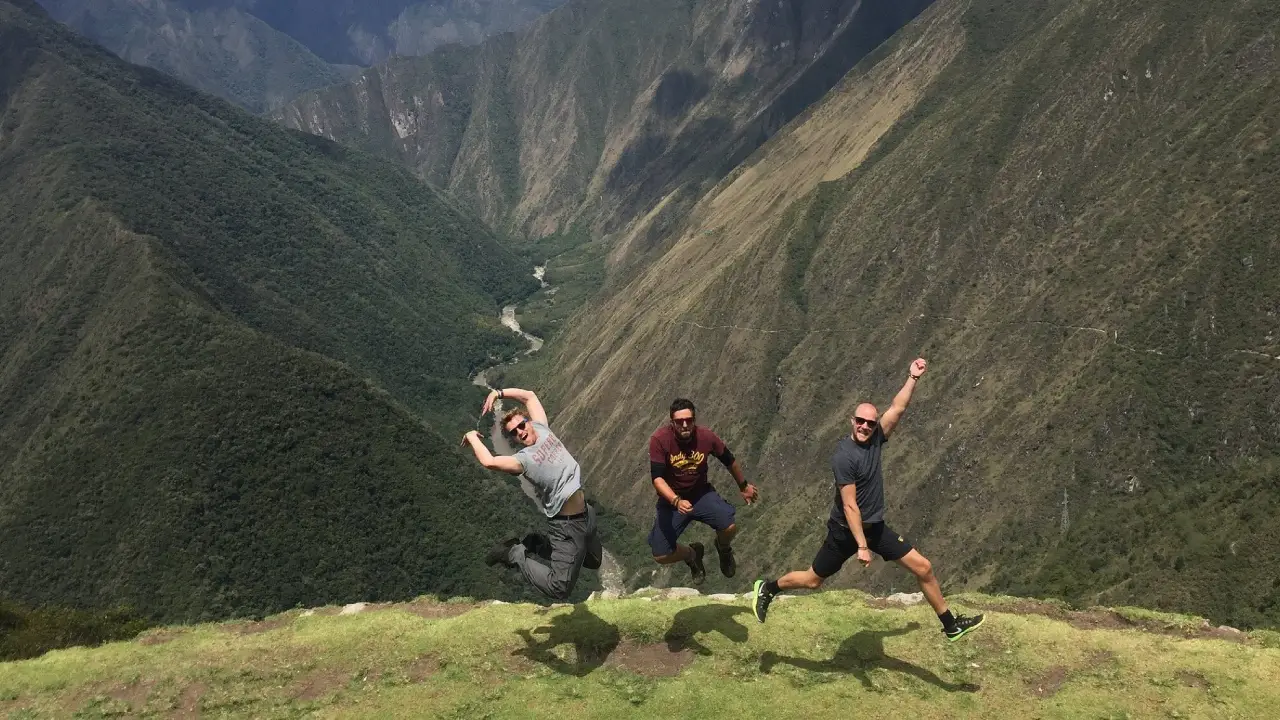
The Inca Trail is the most famous trekking route in South America and one of the most iconic in the world. This ancient path is part of the Inca road network known as Qhapaq Ñan and ends at Machu Picchu, one of the greatest jewels of the Inca Empire. More than just a hike, it is an experience that combines history, culture, and breathtaking landscapes.
What is the Inca Trail?
The Inca Trail is an ancient route built by the Incas that has now become one of the most popular treks in the world. Along this journey, travelers cross mountains, valleys, and forests while visiting important archaeological sites before reaching Machu Picchu.
This trail stands out not only for its natural beauty but also for its deep historical and cultural value, as it allows visitors to walk along part of the ancient paths used by the Inca civilization.
History of the Inca Trail
The Inca Trail is part of the Qhapaq Ñan, an extensive network of roads built by the Incas to connect their entire empire, from Ecuador to Chile and Argentina. Within this network, the Inca Trail to Machu Picchu had a ceremonial purpose.
It is believed that Inca nobles and priests walked this route as a pilgrimage to Machu Picchu, considered a sacred place. This spiritual importance makes the Inca Trail a unique experience that goes beyond tourism.
Where does the Inca Trail start and end?
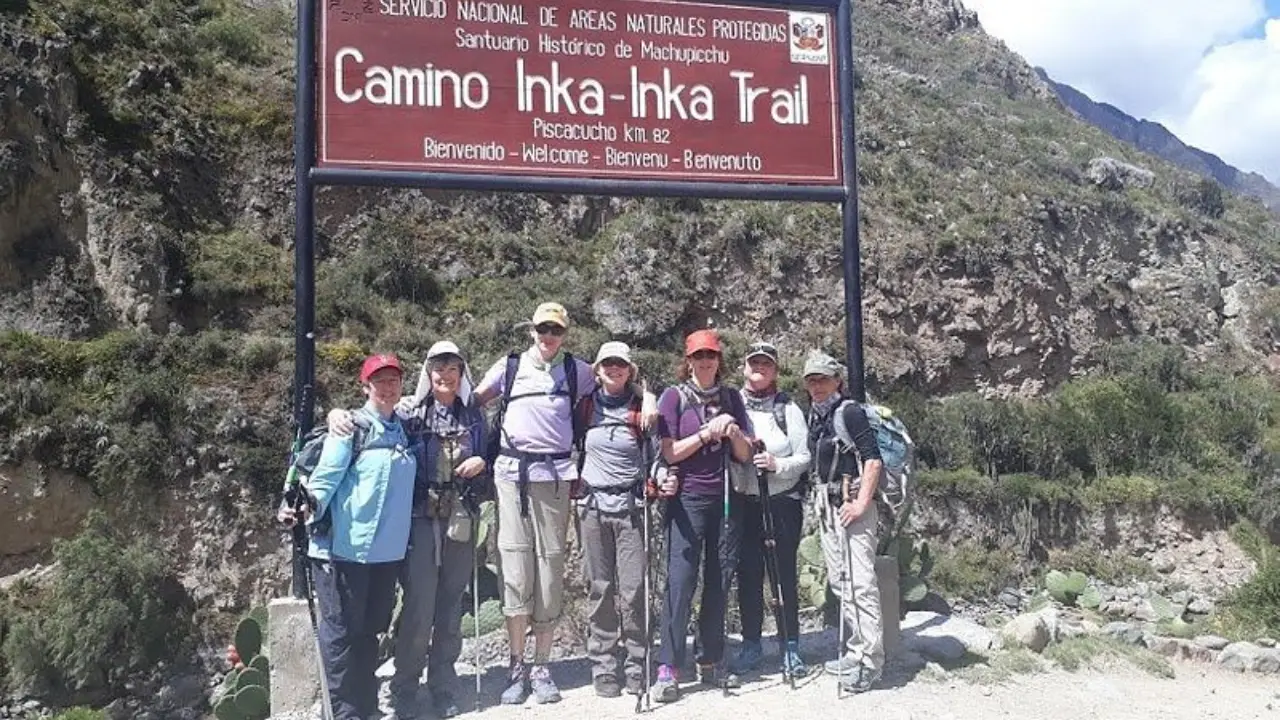
The traditional Inca Trail begins at kilometer 82 of the railway between Cusco and Aguas Calientes. From this point, the route extends approximately 43 kilometers until reaching Inti Punku (the Sun Gate), from where you get the first panoramic view of Machu Picchu.
Routes and variations of the Inca Trail
There are different options to hike the Inca Trail, adapted to different levels of time and experience:
- Classic Inca Trail (4 days / 3 nights): It is the most complete and popular route. It includes diverse landscapes and archaeological sites, ending at Machu Picchu at sunrise on the fourth day.
- Short Inca Trail (2 days / 1 night): Ideal for those with less time. It allows visiting important sites before reaching Machu Picchu.
- 1-day Inca Trail: A shorter option that covers approximately 12 kilometers, perfect for those looking for a brief experience.
- Alternative routes: There are other routes such as Salkantay or Lares, which also lead to Machu Picchu, although they do not follow the original Inca Trail path.
Highlights of the Inca Trail
During the journey, visitors can explore various archaeological sites that showcase the greatness of the Inca civilization:
- Llactapata: ancient agricultural and ceremonial center.
- Runkurakay: possible rest or surveillance point.
- Sayacmarca: fortress with impressive views.
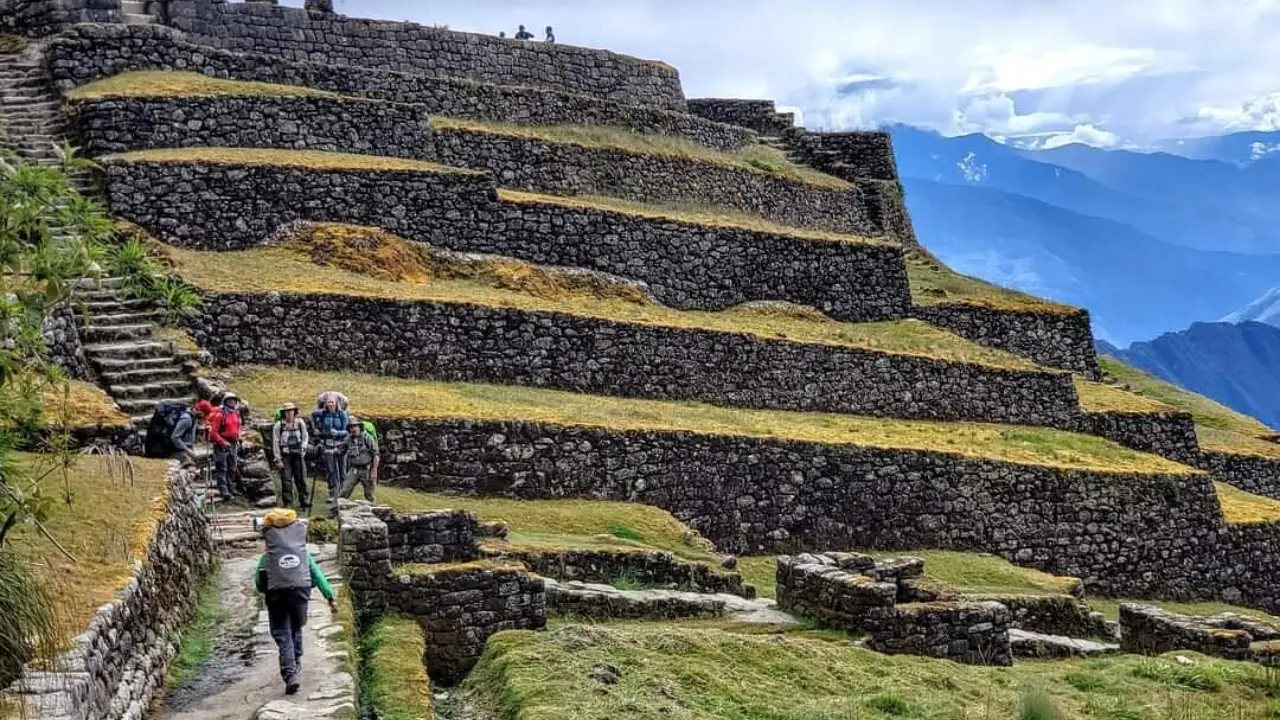
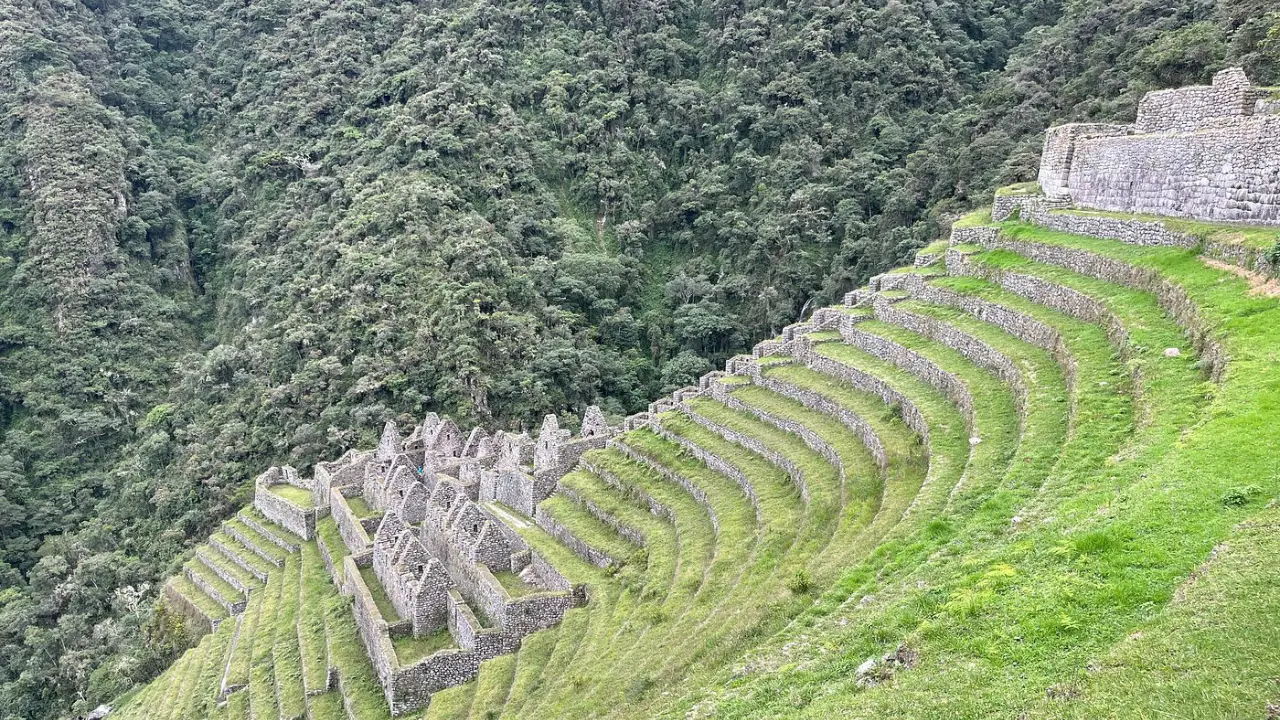
- Wiñay Wayna: agricultural complex with spectacular terraces.
- Inti Punku: the Sun Gate with a view of Machu Picchu.
Best time to hike the Inca Trail
The best time to hike the Inca Trail is during the dry season, between May and September. During these months there is less rain, which makes hiking easier and allows better enjoyment of the landscapes. However, it is also the busiest season, so it is recommended to book in advance.
Important facts about the Inca Trail
- Duration: 4 days and 3 nights in the classic version.
- Distance: approximately 43 kilometers.
- Maximum altitude: 4,215 meters above sea level.
- Permits: it is mandatory to book with an authorized agency due to the visitor limit.
The Inca Trail is much more than a hiking route. It is an experience that allows you to connect with the history of the Inca Empire, discover breathtaking landscapes, and culminate at one of the most iconic destinations in the world: Machu Picchu. Without a doubt, it is one of the best adventures you can have in Peru.