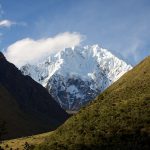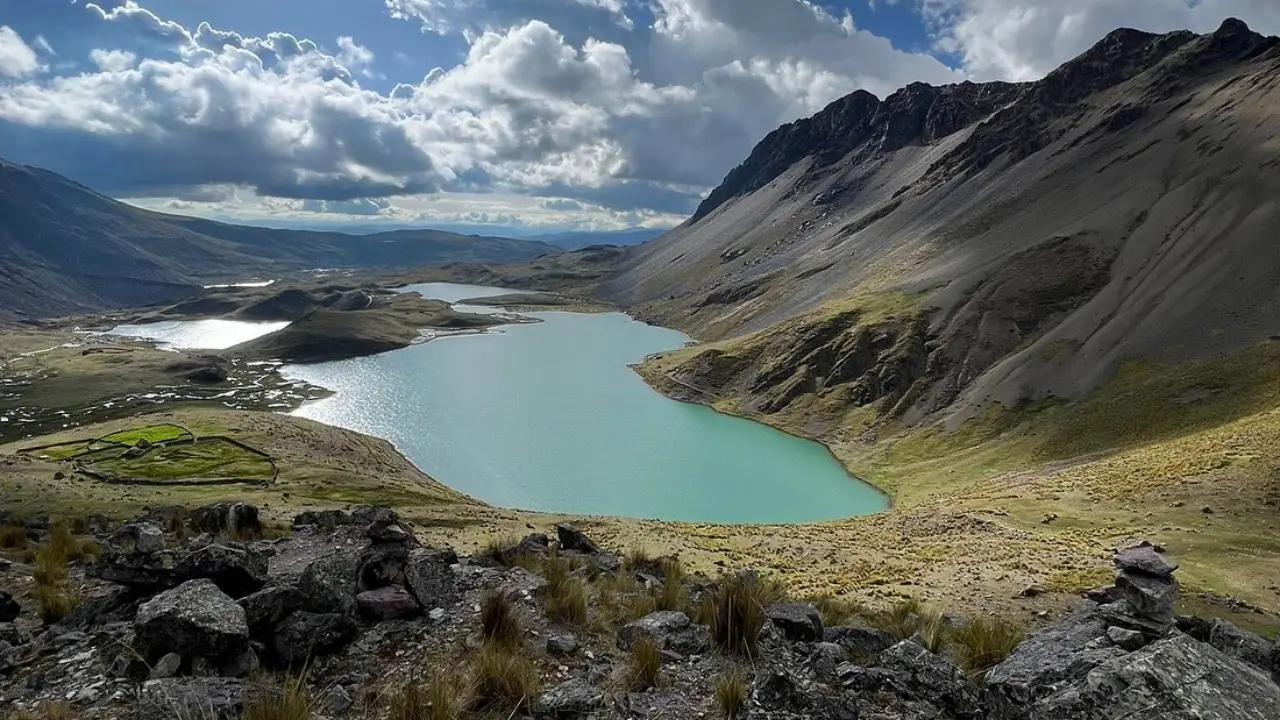
Ausangate Mountain is one of the most impressive trekking destinations in Peru and the world. Located in the Cusco region, this sacred mountain offers unique landscapes, living culture, and a deep connection with nature. In this complete guide, you will discover everything you need to know to do the Ausangate trek.
- What is the Ausangate trek and why is it unique?
- Altitude of the Ausangate trek
- How to get to Ausangate from Cusco
- Colorful lakes in Ausangate
- Wildlife of Ausangate
- Andean communities along the route
- Climate and best time to do the trek
- Tips for doing the Ausangate trek
- Duration, distance, and difficulty of the trek
- Why do the Ausangate trek
What is the Ausangate trek and why is it unique?
The Ausangate trek is a multi-day hike around the snow-capped mountain of the same name. It is not a conventional route, but an immersive experience that combines nature, spirituality, and Andean culture.
During the journey, travelers cross intensely colored lakes, snow-covered mountains, remote valleys, and communities that preserve ancestral traditions. It is an ideal destination for those seeking adventure, authenticity, and less-explored landscapes.
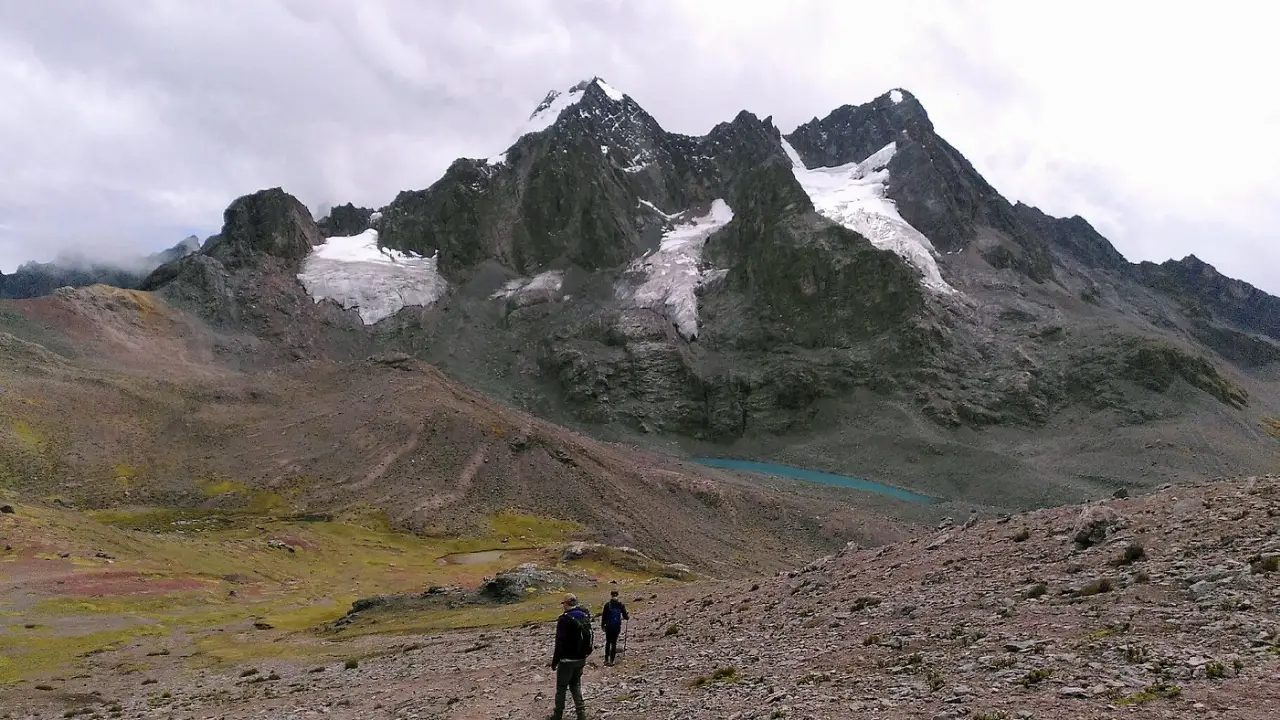
Altitude of the Ausangate trek
One of the most important aspects of the Ausangate trek is the altitude. The route takes place between 4,300 and over 5,200 meters above sea level, with Palomani Pass being the highest point.
These conditions make proper acclimatization essential before starting the hike, as the altitude can affect even people in good physical condition.
How to get to Ausangate from Cusco
Access to Ausangate is from the city of Cusco, located approximately 100 km away. The most common starting point is the village of Tinqui, considered the gateway to the trek.
From there, travelers can begin the route, hire local guides, or arrange services such as transportation and logistical support.
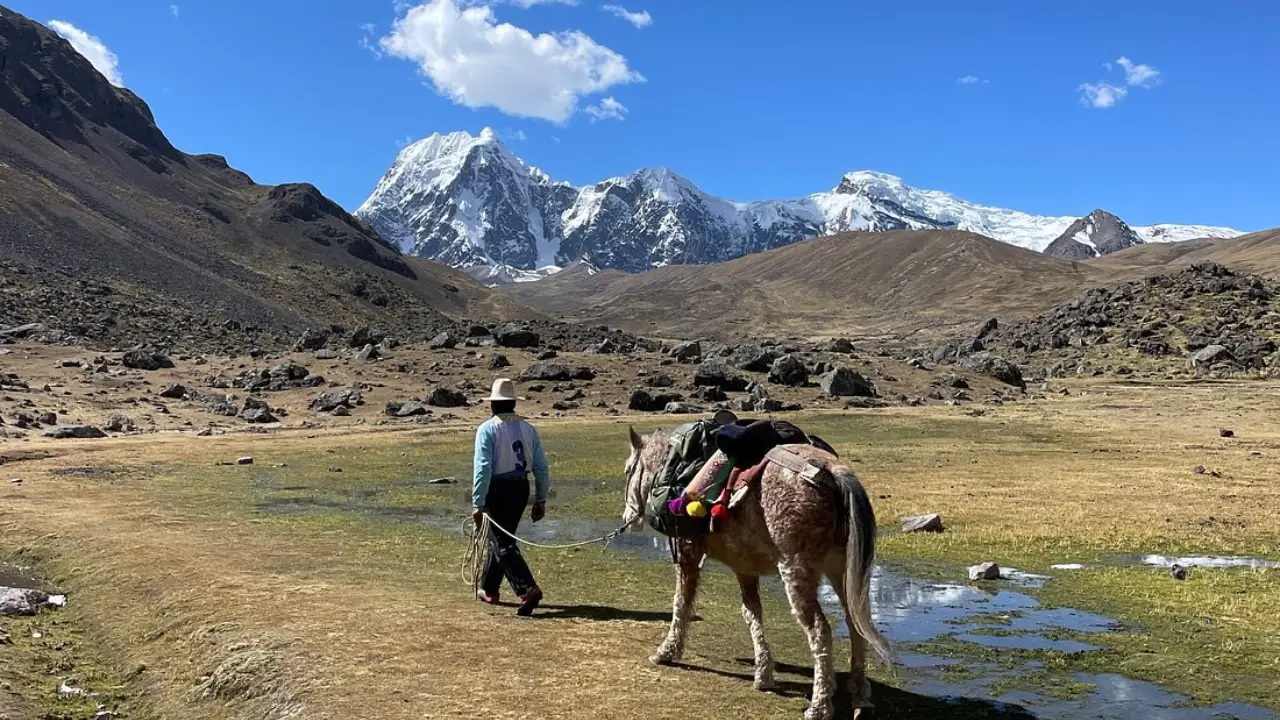
Colorful lakes in Ausangate
One of the main attractions of Ausangate is its intensely colored lakes, formed by minerals and reflections of the surroundings.
Among the most notable are:
- Ausangatecocha Lake: located at the foot of the glacier, it stands out for its natural mirror-like appearance.
- Pucacocha and Yanacocha Lakes: feature reddish and green tones.
- Orccococha and Quimsachata Lakes: stand out for their turquoise colors and peaceful landscapes.
In addition, many routes connect with the famous Rainbow Mountain (Vinicunca), another of Cusco’s most visited attractions.
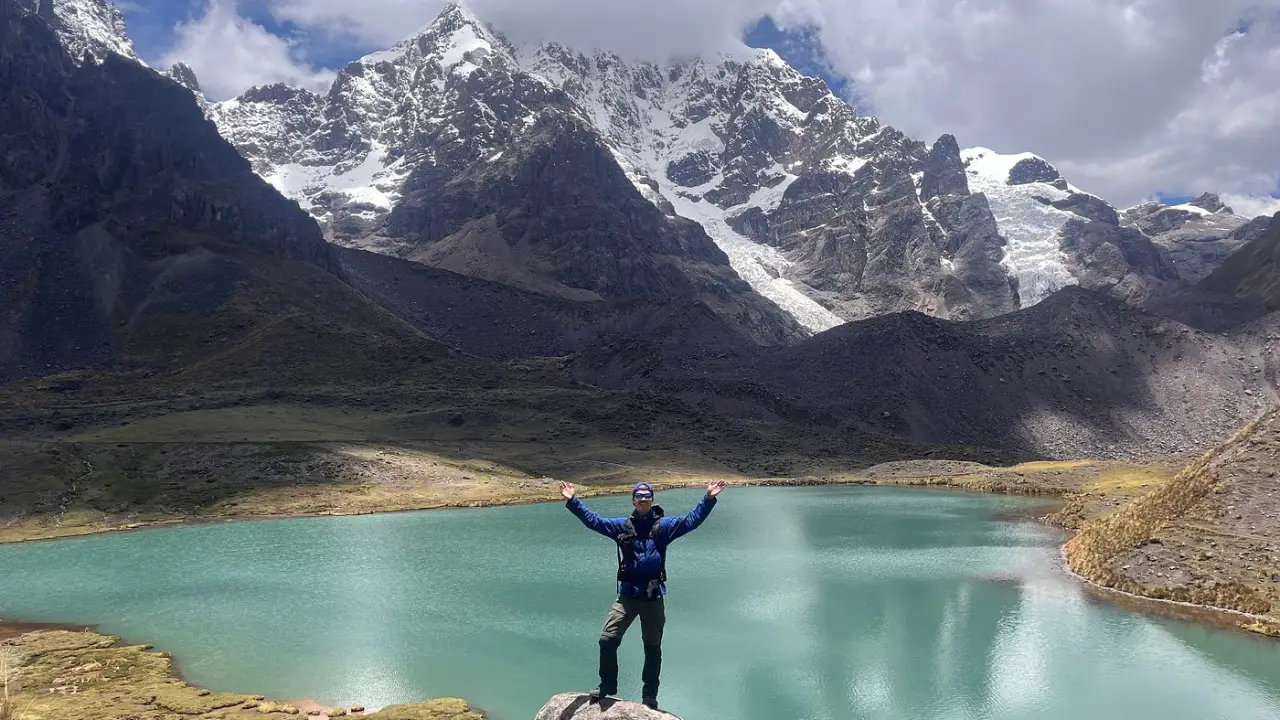
Wildlife of Ausangate
During the trek, it is possible to observe a wide variety of Andean animals adapted to high altitude.
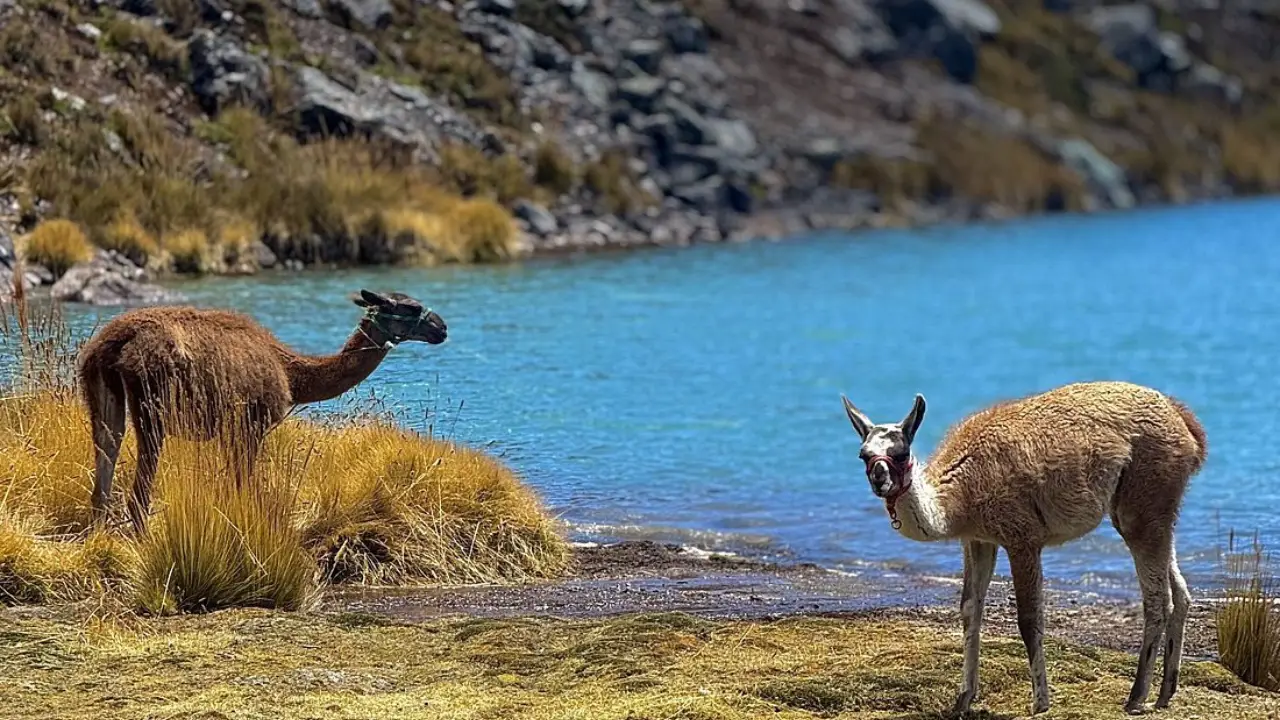
Among the most common are alpacas and llamas, which accompany much of the route. It is also possible to see wild vicuñas, as well as condors and foxes that inhabit these mountains.
This biodiversity is an essential part of the experience, adding life and authenticity to the journey.
Andean communities along the route
The Ausangate trek also allows visitors to meet communities that have preserved their traditions since ancestral times.
- Tinqui: starting point of the trek and place where trips are organized.
- Upis and Pacchanta: known for their natural hot springs, ideal for resting.
- Jampa and Pucará: communities where traditional textiles and local culture stand out.
These populations are not only part of the landscape, but also guardians of the mountain and its culture.
Climate and best time to do the trek
The climate in Ausangate is variable and can change rapidly. In a single day, it is possible to experience intense sun, extreme cold, rain, or even snow.
Therefore, it is important to choose the travel season carefully and be prepared with proper clothing for extreme conditions.
Tips for doing the Ausangate trek
Before undertaking this adventure, it is important to consider some key recommendations:
- Do not underestimate the altitude and acclimatize properly before starting.
- Respect local customs and Andean culture.
- Do not leave trash and take care of the natural environment.
- Wear layered clothing to adapt to temperature changes.
- Have experience or do the trek with a guide.
- Bring cash, as there are no banking services along the route.
Duration, distance, and difficulty of the trek
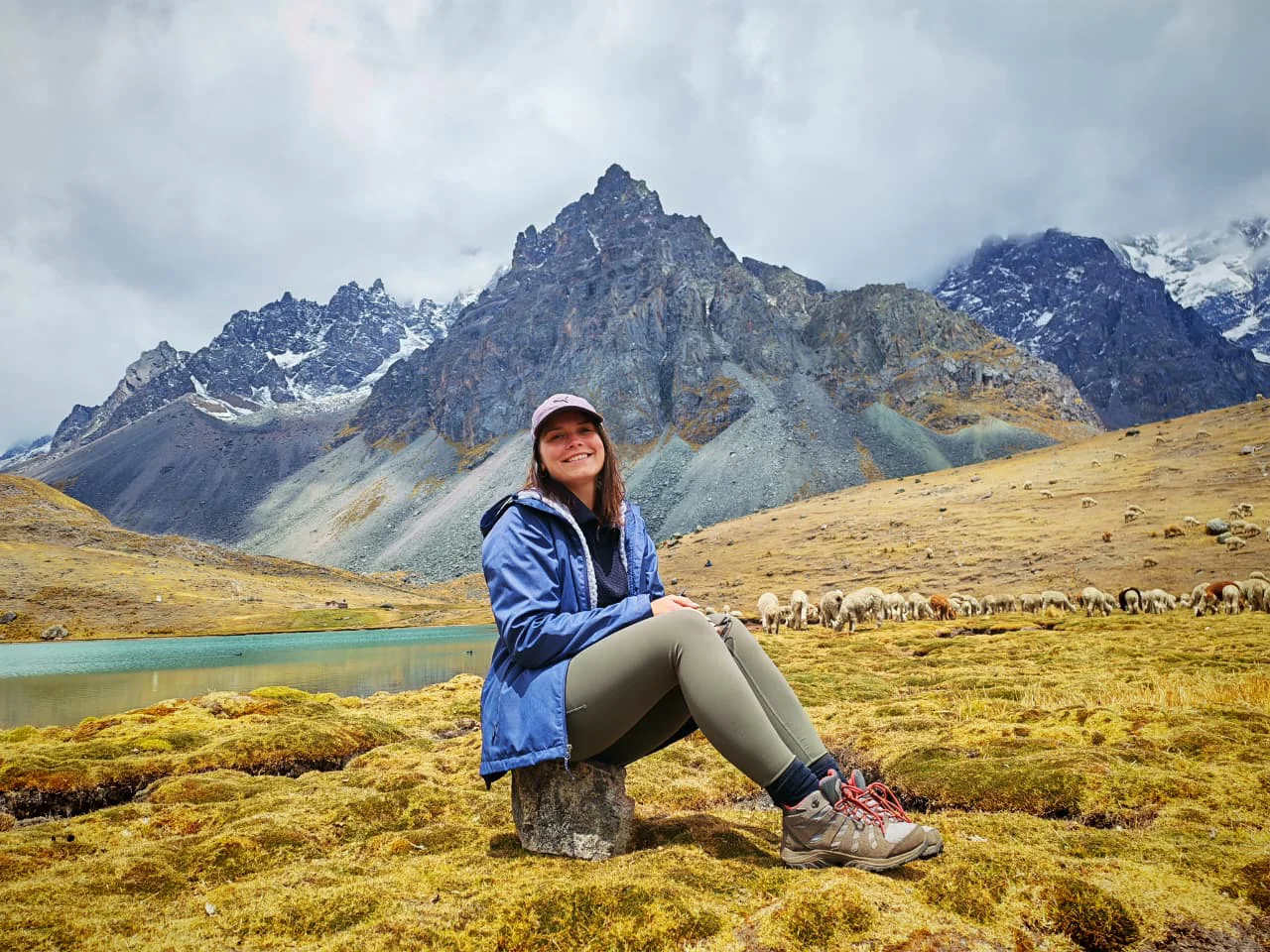
The Ausangate trek usually lasts between 5 and 7 days, depending on the chosen itinerary. The approximate distance is 70 to 100 kilometers.
It is a high-difficulty route due to altitude, weather, and terrain conditions, so it is recommended for people with good physical preparation.
Why do the Ausangate trek
Ausangate is not just a hike, but a transformative experience. It is a journey into pure nature, into Andean culture, and into oneself.
Those who complete this route highlight the feeling of disconnection, the beauty of the landscapes, and the personal growth that comes with each step.
If you are looking for an authentic adventure in the Peruvian Andes, the Ausangate trek is one of the best options.