- What is Manu National Park and why visit it?
- Where is Manu National Park located?
- How to get to Manu National Park
- Zones of Manu National Park
- What to see in Manu National Park
- Best time to travel to Manu
- Tours to Manu National Park
- Tips for traveling to Manu
- Responsible tourism in Manu
- Is it worth visiting Manu National Park?
What is Manu National Park and why visit it?
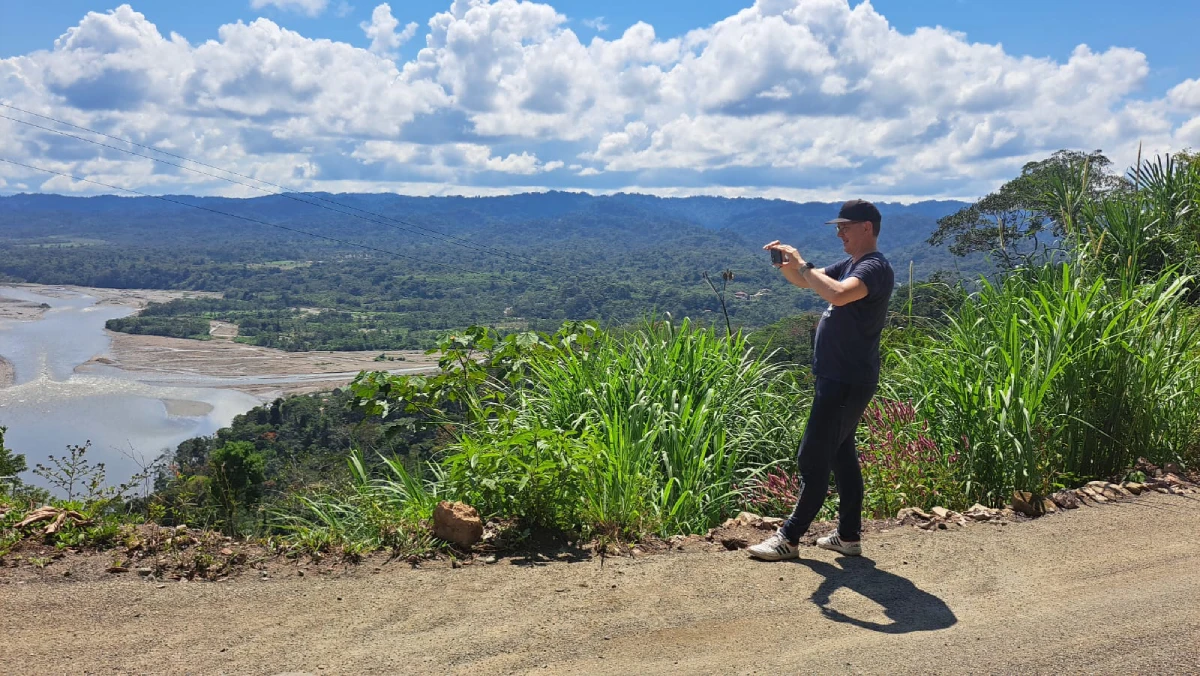
Manu National Park is one of the most biodiverse destinations on the planet, located between the regions of Cusco and Madre de Dios, in the heart of the Peruvian Amazon. It was declared a UNESCO Natural World Heritage Site and is home to an enormous variety of ecosystems, from the Andes to the tropical rainforest.
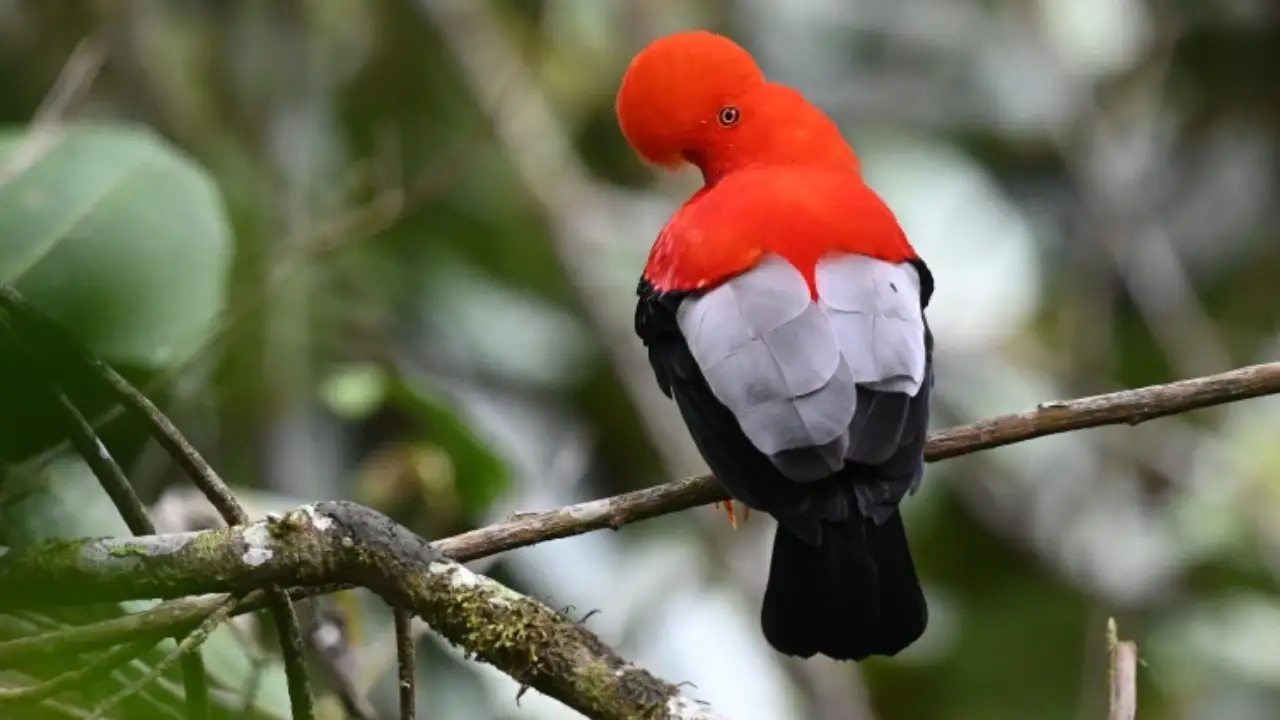
This natural paradise stands out for its incredible richness: more than 1,000 species of birds, hundreds of mammals and thousands of plants, making it one of the best places in the world for ecotourism.
Visit Manu means entering a practically untouched jungle, where nature dominates and indigenous cultures maintain their ancestral traditions.
Where is Manu National Park located?
Manu is located in southeastern Peru and covers an area of nearly 2 million hectares. Its territory ranges from over 4,000 meters above sea level in the Andes to less than 200 meters in the Amazon, creating a unique diversity of ecosystems.
How to get to Manu National Park
From Cusco (the most common route)
- Overland journey from Cusco to Paucartambo and the cloud forest
- Descent to Pilcopata and Atalaya
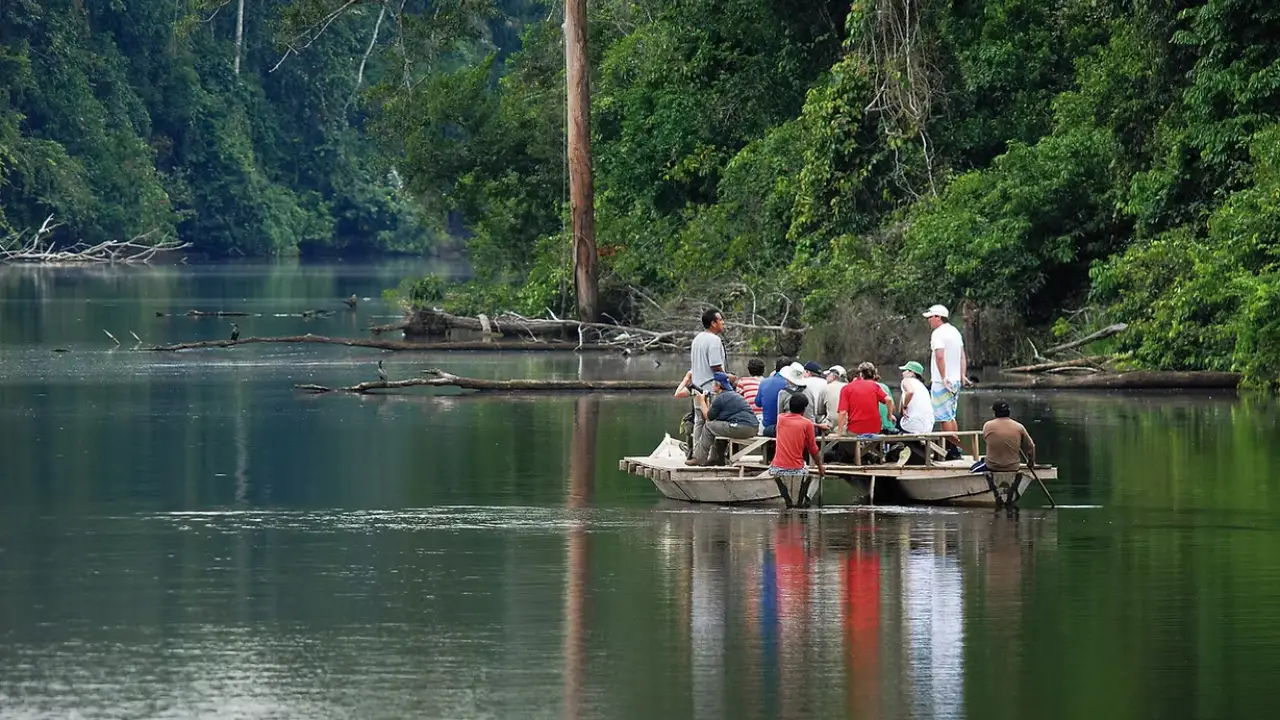
- Boat navigation along Amazonian rivers
The full journey can take between 7 and 10 hours to reach the entry points.
The most recommended way is to book an organized tour, as many areas require permits and an authorized guide.

Zones of Manu National Park
The park is divided into three main areas:
Cultural Zone
- Access allowed for tourists
- Contact with local communities
- Hiking and lagoon navigation
Reserved Zone
- Greater biodiversity
- Only accessible with an authorized guide
- Wildlife observation
Intangible Zone
- Completely restricted
- Inhabited by indigenous peoples in isolation
What to see in Manu National Park
Wildlife
Manu is famous for observing animals in their natural habitat:
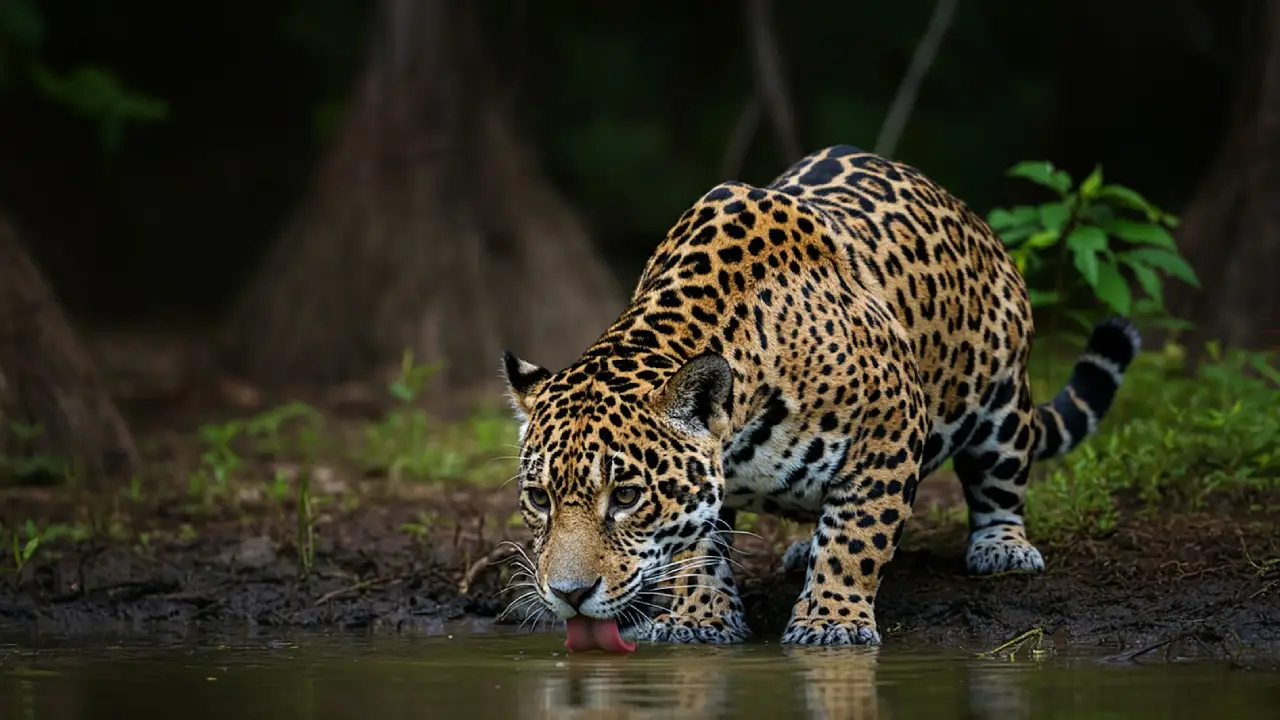
- Jaguars (difficult to see)
- Monkeys (howler and spider monkeys)
- Amazonian tapirs
- Spectacled bears
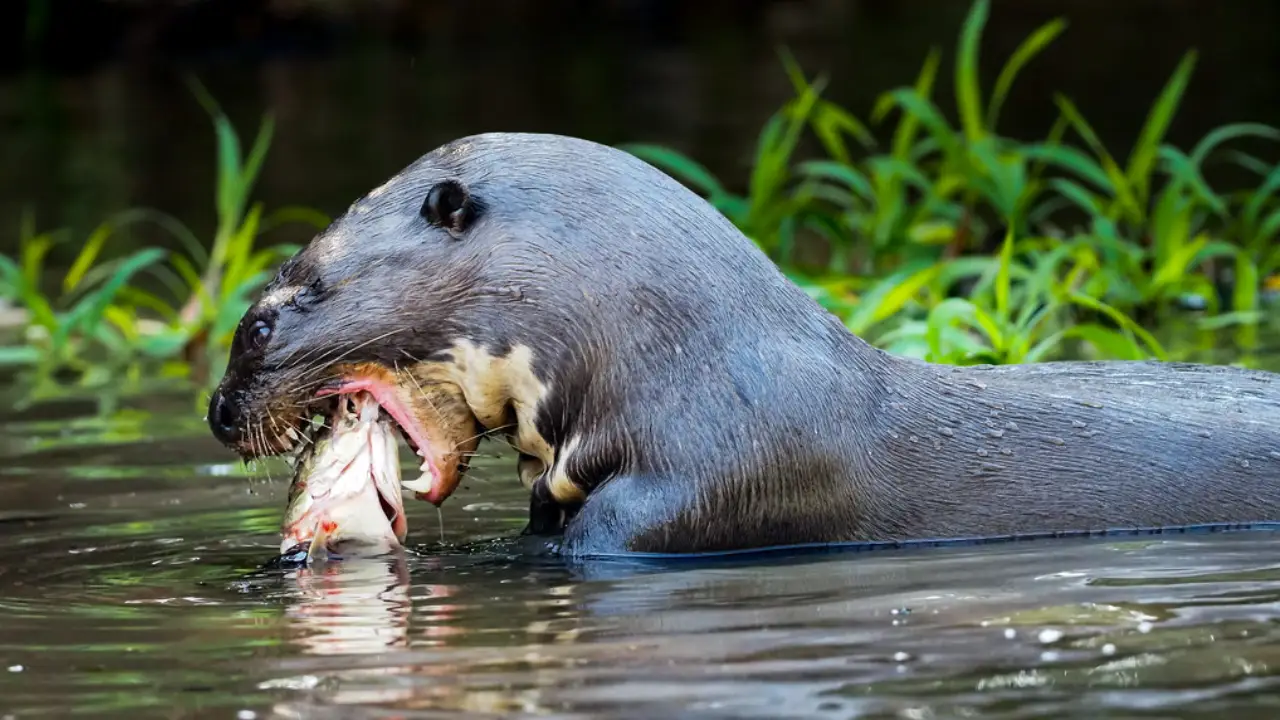
- Giant otters
Macaw clay licks
One of the most impressive spectacles is seeing hundreds of macaws feeding on clay at sunrise.
Unique ecosystems
- Cloud forest
- Lowland Amazon rainforest
- Rivers and oxbow lakes (cochas)
Unmissable experiences
- Night walks
- Birdwatching
- Canoe navigation
- Observation towers
Best time to travel to Manu
Dry season (May – October)
- Better for wildlife spotting
- Less rain
- Easier access
Rainy season (November – April)
- Greener landscapes
- Lower animal visibility
- More difficult trails
Tours to Manu National Park
The Manu National Park tours usually last between 2 and 8 days and include:
- Transportation from Cusco
- Naturalist guide
- Accommodation in lodges
- Meals
- Guided activities
Traveling with an agency is practically mandatory to access the reserved zone of the park.
Tips for traveling to Manu
- Bring light long-sleeve clothing
- Use repellent and sunscreen
- Bring a rain poncho
- Carry cash (no ATMs available)
- Yellow fever vaccine recommended
- Respect nature and communities
Responsible tourism in Manu
Manu is one of the most important protected areas in the world. Many zones are restricted to preserve its biodiversity and protect indigenous communities.
Traveling responsibly means:
- Do not leave waste
- Do not interfere with wildlife
- Choose sustainable operators
Is it worth visiting Manu National Park?
Definitely yes. It is one of the most authentic and least crowded destinations in Peru. Ideal for travelers seeking pure nature, adventure and extreme biodiversity.
Unlike other tourist destinations, Manu offers an immersive experience in the Amazon rainforest, far from conventional tourism.