
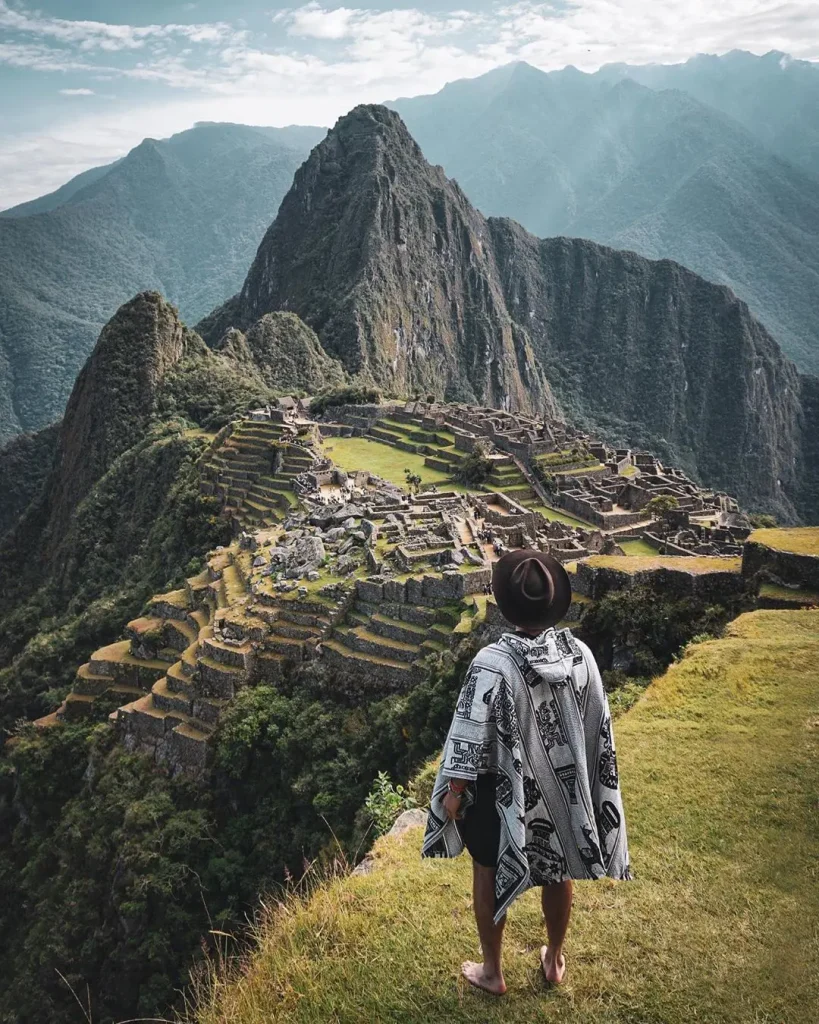
Trekking to Machu Picchu is not just any hike. It’s a once-in-a-lifetime experience that requires solid planning. Weather, tourist season, temporary closures, and altitude can completely change your adventure. So, if you’re wondering when is the best time to go, here’s all the real data, no fluff, with examples and practical suggestions.
Why the Date Matters So Much for Trekking to Machu Picchu
A long hike like this isn’t the same if you get caught in a storm, extreme sun, or feel sick from the altitude. Also, Machu Picchu and its trails aren’t open the same way all year round. Choosing the right date means avoiding surprises like closures, heavy crowds, or conditions that make the trek harder or even unsafe.
Most people think going “when you’re on vacation” is good enough, but it’s not that simple. Some months, the Inca Trail is completely closed, and in others, getting a permit is nearly impossible due to high demand. Let’s break it down so you can make the best decision for yourself.

Weather in Machu Picchu: Dry or Rainy?
The Cusco area and Sacred Valley mainly have two seasons: dry and rainy. Even though that sounds simple, it has a huge impact.
The dry season runs from May to September, with clear skies, great visibility, and lower chances of rain. It’s the most popular time for trekking to Machu Picchu. And for good reason. But that also means more tourists, busier trails, and the need to book several months ahead.
On the other hand, the rainy season (November to March) brings frequent rain. Especially in January and February, when it can rain for several days straight. Although temperatures are mild, the trails can get muddy and slippery. There’s also more risk of landslides. And here’s a key fact: the Inca Trail is closed all February for maintenance.
Shoulder Season: A Smart Middle Ground
If you don’t want to go in peak season but also want to avoid playing weather roulette, there’s good news: April, May, September, and October offer a great balance.
These months usually have little or no rain, the trails are in good condition, and there aren’t as many people. That means more space to walk calmly, shorter photo lines at Machu Picchu, and slightly lower prices on accommodations and tours. It’s a good sweet spot for most travelers.
Key Tip: Book in Advance
The Inca Trail is the most well-known and regulated route. It allows only 500 people per day (including guides, porters, and tourists). So if you want to hike it between June and August, you must book your permit at least 6 months in advance.
For alternative routes like Salkantay or Lares, there’s more flexibility. But it’s still best to plan ahead. These routes are longer or more challenging in parts, but they offer different landscapes and fewer crowds.
Acclimatization: Your Body Needs Time
A common mistake is arriving in Cusco the day before starting the trek. The city sits at over 3,300 meters altitude. If you’re coming from sea level, your body needs at least 2 nights to adjust. If not, you might get altitude sickness: headache, fatigue, nausea.
The best plan is to get to Cusco early, rest, walk around gently the first day, eat light, and drink coca tea (yes, it’s legal and locals drink it). That way, you’ll start the trek feeling strong.
Not Just the Inca Trail: Know Your Alternatives
Even though the Inca Trail is the most famous, it’s not the only way to reach Machu Picchu. Here are a few solid options:
- Salkantay: mountain views, glaciers, fewer tourists.
- Lares: combines traditional villages and natural hot springs.
- Inca Jungle: includes biking, rafting, and hiking – great for adventure lovers.
These routes are perfect if you didn’t get a permit for the Inca Trail, are traveling in the rainy season, or just want something different.

Month-by-Month Comparison: When and Why
| Month | Weather | Tourist Level | Recommended For |
|---|---|---|---|
| January | Heavy rain | Low | Not recommended (very wet) |
| February | Very rainy, Inca Trail closed | Very low | Better to avoid |
| March | Improving weather | Low | Good for alternate routes |
| April | Great weather | Medium | Ideal to kick off the season |
| May | Dry, mild | Medium-high | Highly recommended |
| June–August | Very dry, long days | Very high | Only if booked early |
| September | Pleasant | Medium | Great balance |
| October | Warmer, light rain | Medium | Good time to visit |
| November | Start of rainy season | Low | Still manageable |
| December | Frequent rain | Low | Only if no other option |
FAQs: Trekking to Machu Picchu – Dates and Planning
Can I trek in January or February?
January is too wet, and February has the Inca Trail closed. Not recommended unless doing an alternate route and you’re weather-prepared.
What if I don’t acclimate before?
You might feel sick and even have to cancel the trek. Better to arrive 2 days earlier in Cusco.
What route is best if I can’t get a permit?
Salkantay is the second most popular and offers stunning views. No permits required.
Is off-season travel worth it?
Yes, if you don’t mind some rain and want peace and quiet. November or March are good trade-offs with the right gear.
How early should I book?
For the Inca Trail, 6–8 months ahead. Other routes are fine with 1–2 months notice, but earlier is always better.
Is a guide mandatory?
Yes, on the Inca Trail. Other routes may allow solo hiking but having a guide is safer and more organized.
It’s Not Just the Weather, but Weather Helps
Choosing the best date for trekking to Machu Picchu isn’t just about checking the forecast. It’s about a mix of weather, route availability, tourist flow, and how your body handles altitude. May, September, and October are favorite months for many experienced travelers. June and July are also great if you plan ahead and don’t mind crowds.
Don’t take this trip lightly. Planning well, reading real experiences, and knowing your own limits will make your visit to Machu Picchu not just beautiful, but also smooth and safe.

