

Some trails are famous, others are magical. The Lares Trek to Machu Picchu belongs to the latter. It’s not just a route to a world wonder; it’s a transformational journey that connects your body, mind, and spirit with the Peruvian Andes. Yet, surprisingly, many travelers don’t even know it exists. What if this is the trip that changes the way you see the world? Keep reading—by the end of this post, you’ll know exactly why the Lares Trek is a hidden gem that deserves to be your next big adventure.
An authentic and different route to Machu Picchu
The Lares Trek to Machu Picchu is an alternative route to Machu Picchu, less known than the classic Inca Trail but just as enriching. It leads through small Andean villages where Quechua communities preserve ancient traditions, offering a unique and deeply human cultural experience.
Unlike the Inca Trail, this trek doesn’t require a permit months in advance. It’s more flexible, ideal if you’re planning a trip to Machu Picchu 2025 without the hassle of limited availability. Along the trail, you’ll enjoy Andean landscapes that include snowcapped peaks, crystal-clear lagoons, green valleys, and vast skies. You’ll even relax in the Lares hot springs—a great way to begin your hike feeling refreshed and grounded.
Preparing physically and mentally
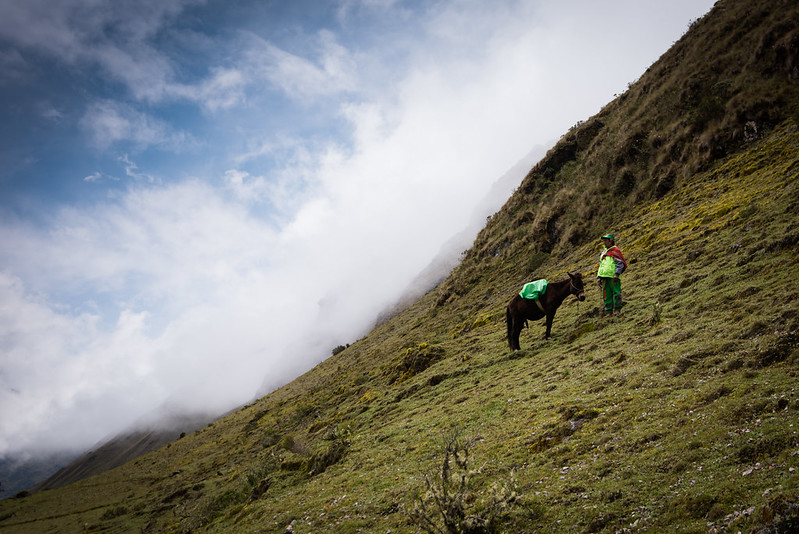
Though the Lares Trek to Machu Picchu isn’t the most difficult, it does require some basic preparation. You’ll walk for 6 to 8 hours daily, reach altitudes of up to 4,450 meters, and face rapidly changing weather. The key is proper altitude acclimatization in Peru. Spend at least two days in Cusco, the common starting point, to avoid altitude sickness that could ruin your entire experience.
It’s also vital to approach the trek with the right mindset. This isn’t a regular hike. It’s a chance to disconnect from the digital world and reconnect with the wisdom of the Andes. Many consider it a spiritual path through the mountains—an invitation to reflect and grow. Each encounter, whether with locals or nature, becomes a valuable lesson.
What to bring for the trek
Wondering what to pack for the Lares Trek to Machu Picchu? This isn’t a beach trip. You’ll hike through mountains with unpredictable weather and limited services.
Essentials:
- 30–40L backpack
- Layered thermal clothing
- Poncho or rain jacket
- Broken-in trekking boots
- Trekking poles
- Hat and sunglasses
- Headlamp
- Water purifier or tablets
- Basic first-aid kit
Pack light—every ounce counts after six hours of hiking. If you book a Lares Trek tour (you can place your sales link here), it may include porters, meals, and camping equipment. Check the details carefully before you go.
Weather and best time to travel
Weather in Machu Picchu and the Andes is crucial to your trekking experience. There are two main seasons: dry (May–October) and rainy (November–March).
The best time to travel is from May to September, when skies are clear, trails are dry, and the views are breathtaking. Days are sunny and nights are cold, perfect for enjoying the panoramic views of Lares.
During the rainy season, the trail can be muddier, but also more vibrant and lush. If you’re a backpacker in Peru who embraces adventure, this season might actually add to the magic.
Living culture with Quechua communities
What truly sets the Lares Trek to Machu Picchu apart is its strong cultural connection. Along the way, you’ll visit villages where Quechua communities still practice age-old traditions—language, handwoven textiles, and spiritual rituals.
Places like Huacahuasi and Patacancha offer unforgettable human experiences. Share a smile, learn how they spin alpaca wool, and hear legends passed down through generations. This isn’t just a nature hike; it’s a chance to understand a way of life.
It also supports a more sustainable form of trekking, contributing to the local economy without altering the culture—unlike more commercialized trails.
A trek for every fitness level
Another benefit of the Lares Trek to Machu Picchu is its flexibility. You can choose from 3, 4, or 5-day itineraries. Some are more relaxed, others more challenging, depending on your physical condition. You can even combine vehicle segments with shorter hikes—ideal for kids or older adults.
Whether you’re a seasoned hiker, a curious traveler, or someone looking for peace, there’s a version of the Lares Trek for you. With proper planning and an open heart, this can be your most enriching adventure in Peru.

Frequently Asked Questions
How long does the Lares Trek to Machu Picchu take?
The duration of the Lares Trek typically ranges from 3 to 5 days, depending on the chosen itinerary and route variation. Most standard treks involve three full days of hiking, followed by an additional day to visit Machu Picchu. Some extended versions include cultural immersion activities or extra acclimatization time, which may extend the experience to five days.
Is it necessary to hire a guide for the Lares Trek?
While it is not legally required to hike the Lares Trek to Machu Picchu with a guide, it is highly recommended—especially for first-time visitors to Peru or those unfamiliar with high-altitude trekking. A certified guide provides not only logistical support and safety but also valuable insights into the local culture, language, and history of the Quechua communities you encounter along the way.
Can the Lares Trek be done independently?
Yes, the trek can be done without a guide; however, solo trekking is not advised unless you have previous experience with remote, high-altitude trails and a strong grasp of navigation. The route lacks frequent signage, and some areas may have limited connectivity and emergency access. Traveling with a local operator ensures a more enriching and secure experience, especially for those not fluent in Spanish or Quechua.
Where does the Lares Trek conclude?
The trek officially ends in the town of Aguas Calientes, also known as Machu Picchu Pueblo. From there, travelers typically take an early bus or hike up to visit the citadel of Machu Picchu on the final day of the itinerary. Transportation from the last trail segment to Aguas Calientes is usually arranged via a combination of vehicle and train, depending on the tour operator and selected route.
What is the difficulty level of the Lares Trek?
The Lares Trek is considered moderate in difficulty. While it does not involve technical climbing, it does include long trekking days (up to 8 hours) and high-altitude passes exceeding 4,400 meters (14,400 feet). Trekkers should have a reasonable level of fitness and ideally spend at least two days in Cusco or the Sacred Valley to acclimate. Compared to the Salkantay Trek, Lares is less physically demanding but still requires proper preparation and gear.

