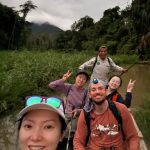
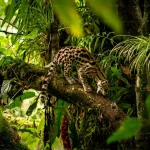
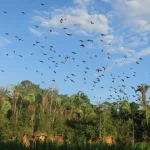
Exploring Manu and wildlife is one of the most comprehensive experiences for those wanting to discover Peru’s biodiversity. Located in the southern heart of the country’s jungle, this area is considered one of the richest and most diverse ecosystems on the planet. Therefore, taking a trip to the Peruvian Amazon via Manu National Park allows visitors to observe unique species of fauna and flora in their natural habitat. Additionally, it offers the chance to enjoy a true jungle experience in Peru away from mass tourism.
- The Natural Wealth of Manu National Park
- Main Tourist Routes in the Amazon of Manu
- Climate and Best Time to Travel
- Jungle Lodging in Manú: Where to Stay
- Recommended Experiences on a Manu Trip
- Madre de Dios Amazon Region: Gateway to Manu and wildlife
- Tips to Plan Your Manu and wildlife
- Frequently Asked Questions about Manú and Wildlife
- Our Related Tours about Manu and wildlife
The Natural Wealth of Manu National Park
The Manu National Park spans parts of both Cusco and Madre de Dios regions. Its area exceeds 1.7 million hectares, enabling the protection of various ecological zones from the Andes down to the lowland Amazon. This altitudinal transition supports a wide variety of habitats.
Flora and Fauna Diversity
More than 1,000 bird species, 200 mammals, and thousands of plant types have been recorded in the park. Monkeys, tapirs, caimans, and with some luck, jaguars can often be seen. Bird watching is another highlight, with species like the scarlet macaw and cock-of-the-rock being symbols of Amazon wildlife in Peru. In addition, rivers and lagoons host giant otters and freshwater turtles.
Global Ecological Importance
Manu National Park is recognized as a World Heritage Site due to its high ecological value. It remains almost untouched thanks to its geographic isolation. As a result, many species threatened elsewhere thrive here. Therefore, visiting this area is a form of nature tourism in Peru that contributes to conservation.
Main Tourist Routes in the Amazon of Manu
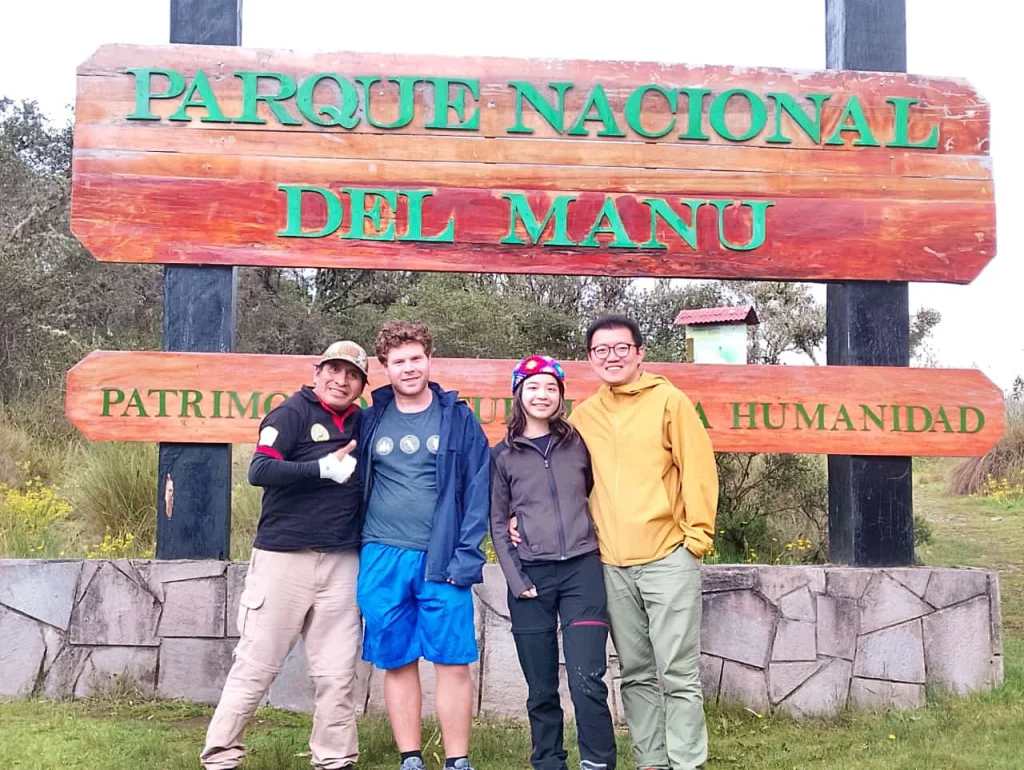
There are different tourist routes in the Amazon departing from Cusco and reaching the heart of the park. Trip length and difficulty vary by excursion type. However, all ensure direct contact with nature.
Routes from Cusco through the Cloud Forest
One popular Manu tour from Cusco passes through the cloud forest. Along the way, you can witness notable changes in landscape, from mountains to high jungle zones. Stops include viewpoints, waterfalls, and ecological interpretation centers.
River and Lowland Jungle Journeys
Another favorite is navigating the Madre de Dios River bordering the park. These routes enter the lowland jungle, allowing for hikes, wildlife observation, and night walks. Travelers seeking a true jungle adventure in Manu prefer such journeys for the sense of isolation and connection with the environment.
Climate and Best Time to Travel
The weather in Manu National Park varies by zone and season. Generally, the climate is hot and humid, characteristic of the tropical rainforest of Peru. However, certain periods are more suitable for tourism.
Dry Season
Between May and September, the dry season begins. Rainfall decreases and trails become more accessible. Moreover, wildlife is easier to spot due to water scarcity in some areas, enhancing chances to witness Manú and wildlife encounters.
Rainy Season
From October to April, heavy rains dominate. Some river routes may become impassable. Nevertheless, vegetation is lusher, and the overall Manu landscapes appear greener. This period can appeal to photographers.
Jungle Lodging in Manú: Where to Stay
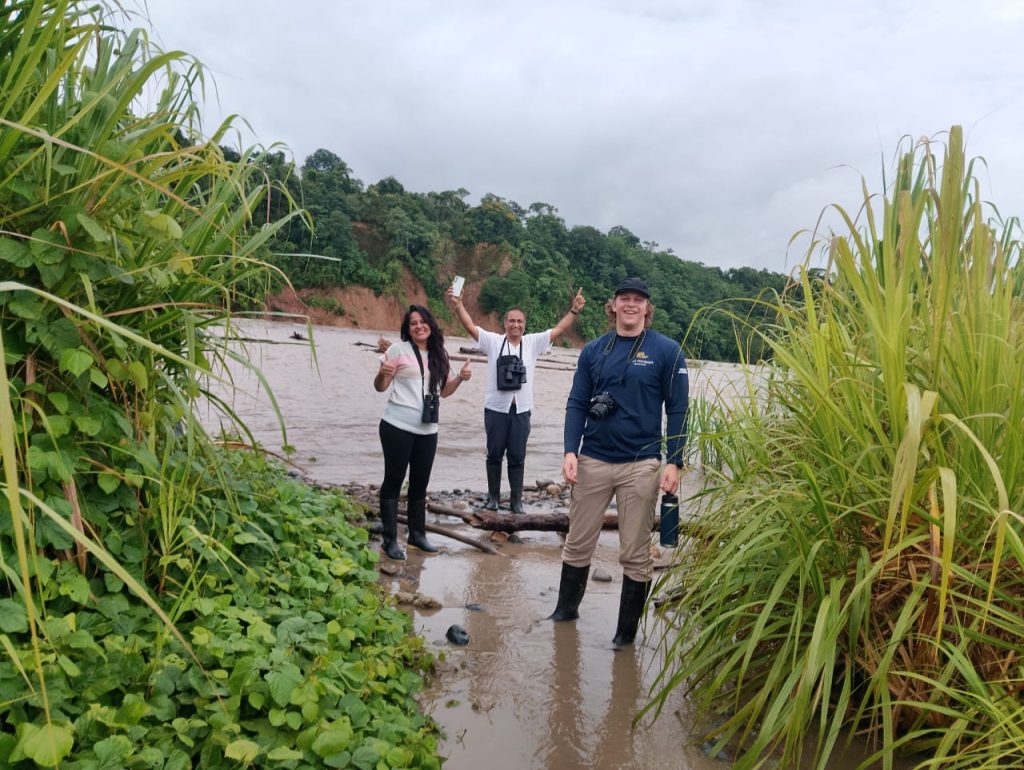
Tourist infrastructure inside the park is limited, but there are various jungle lodging in Manu options both inside and near buffer zones. These cater to different budgets and needs.
Eco-lodges in Manu and wildlife
Eco-lodges operate with sustainable systems and offer basic services without affecting the environment. Many are located in park buffer zones and include specialized guides who help interpret nature and organize excursions.
Camp Sites in Authorized Areas
Some Manu tour packages include camping in strategic locations. This choice suits those seeking a more immersive organized trips to the Amazon experience. Campsites offer portable kitchens, dry toilets, and mosquito nets. This option is common among travelers participating in multi-day itineraries.
Recommended Experiences on a Manu Trip
A well-planned trip enables enjoyment of various activities that blend wildlife watching, hiking, and learning. Respectful interaction with nature is key to a meaningful experience.
Wildlife Observation at Lagoons and Rivers
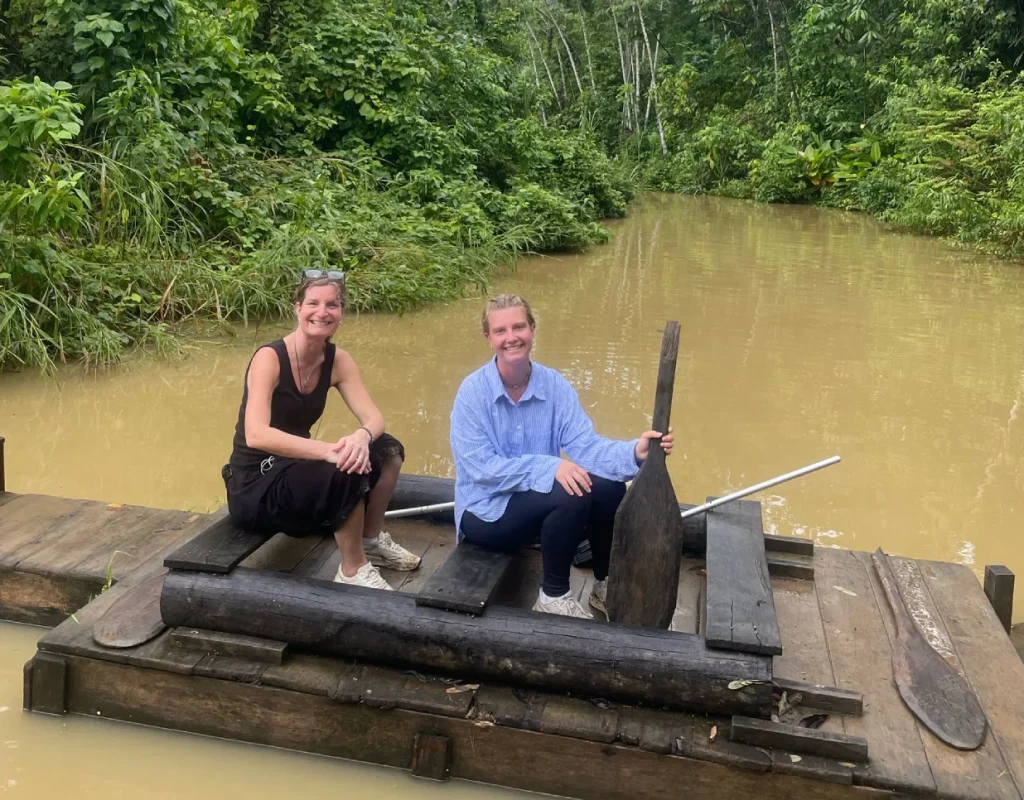
Early mornings are ideal for wildlife viewing near waterways. Silent boat rides allow spotting birds, otters, caimans, and monkeys. These activities are included in most Manu tour packages offered by specialized agencies.
Guided Jungle Trail Walks
Daytime hikes occur along marked trails with local guides. Hikers learn to track animal footprints, recognize medicinal plants, and understand ecosystem dynamics. These outings strengthen connections with nature and promote nature tourism in Peru.
Nighttime Jungle Excursions
At night, the jungle transforms. Many animals emerge while unusual sounds fill the air. With flashlights and guidance, visitors experience a different side of the jungle experience in Peru.
Madre de Dios Amazon Region: Gateway to Manu and wildlife
The Madre de Dios region is a primary access point to Manu National Park. Its capital, Puerto Maldonado, serves as a base to organize trips to various Amazon zones. This region stands out for its biological diversity and being a strategic tourism hub.
Connection to Other Jungle Destinations
From Madre de Dios, it is also possible to visit reserves such as Tambopata and Bahuaja Sonene. However, those seeking a less commercial experience choose Manú, where services are limited but natural richness is greater. This makes the region an essential part of any trip to the Peruvian Amazon.
Sustainability and Responsible Tourism
Local initiatives promote sustainable tourism by using resources responsibly. Many communities have adapted to receive tourists without altering traditional life. This coexistence between tourism and conservation supports the local economy and preserves environmental heritage.
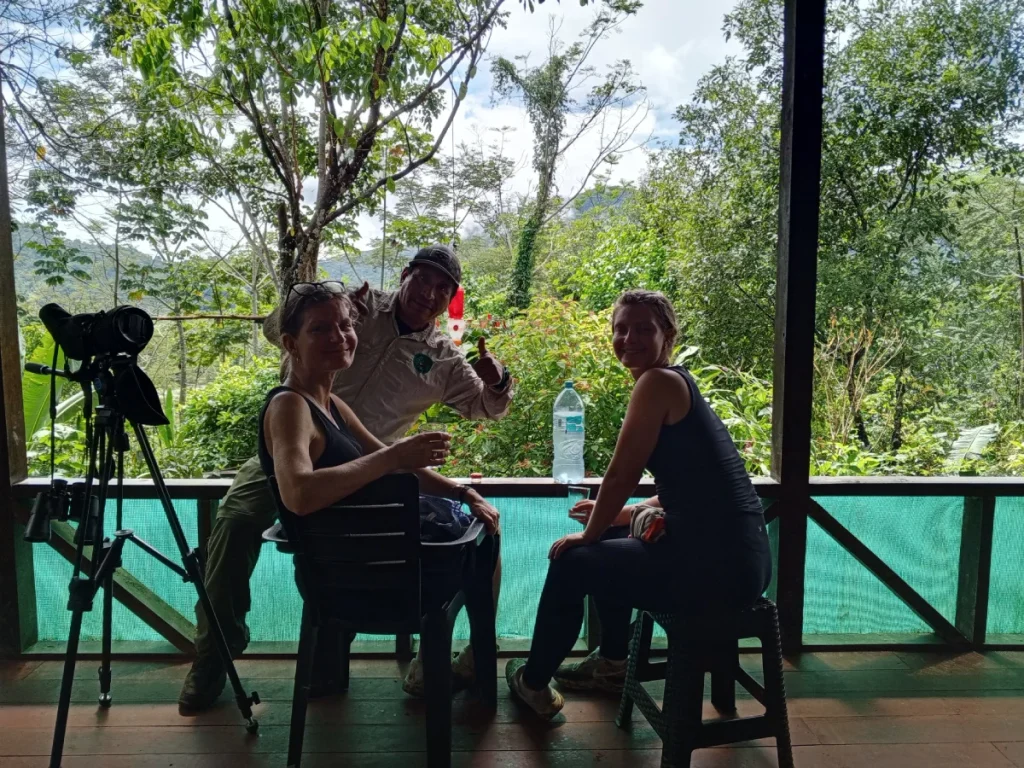
Tips to Plan Your Manu and wildlife
Planning a trip to Manú requires attention to logistics, health, and safety. Access can be complex and time-consuming compared to other tourist destinations. Nevertheless, the reward justifies the effort.
Trip Duration and Conditions
Most Manu tours from Cusco range from 4 to 9 days. That time allows for transit, adaptation, and exploration at a wide pace. Most operators include transport, meals, lodging, and guides. Thus, choosing organized trips to the Amazon facilitates the journey and ensures safety.
Vaccines and Medical Precautions
Yellow fever vaccination is recommended at least ten days before traveling. It is also essential to use insect repellent and wear clothing that covers arms and legs. These precautions are fundamental for a safe jungle adventure in Manu.
Packing Tips
Bring trekking boots, quick-dry lightweight clothing, a rain poncho, and a headlamp. A small backpack will hold essentials for day hikes. Do not forget binoculars and a camera to capture special wildlife moments in Manu and wildlife encounters.
Frequently Asked Questions about Manú and Wildlife
1. Can you visit Manu without a guide?
No, entry to Manu National Park is only allowed with an authorized guide. The park is a protected area with strict access rules to preserve its biodiversity. Guided tours also ensure safety and enhance the experience by helping visitors spot wildlife and understand local ecosystems.
2. What animals are most commonly seen in Manu and wildlife?
Visitors often see monkeys like howler and squirrel monkeys, colorful birds such as toucans and macaws, and species like tapirs and caimans. Giant river otters can be spotted in lakes, and while jaguars are present, they are rarely seen due to their elusive nature. Early morning and nighttime walks increase the chances of wildlife sightings.
3. Is there phone or internet service in the park?
Most areas of Manu National Park do not have cell service or internet. A few jungle lodges may have satellite communication for emergencies, but visitors should expect to be fully disconnected. This digital break is often appreciated by travelers seeking a deeper connection with nature.
4. Can you visit Manú year-round?
Yes, Manu is open year-round. The dry season (May to September) offers better trail access and more visible wildlife. The rainy season (October to April) is lush and vibrant, but some areas may become harder to reach due to swollen rivers and muddy paths. Each season has its unique appeal.
5. What fitness level is required for a Manu tour?
A moderate level of fitness is ideal. Most tours include jungle hikes, long drives from Cusco, and boat rides along rivers. While activities aren’t extremely strenuous, visitors should be prepared for heat, humidity, and insects. Tour operators often tailor the pace and intensity based on group preferences.
Our Related Tours about Manu and wildlife
- Machu Picchu Inca Trail Tours – 4 Day Inca Trail
- Manu National Park 2 Days Tour – Discover the Heart of the Peruvian Amazon