

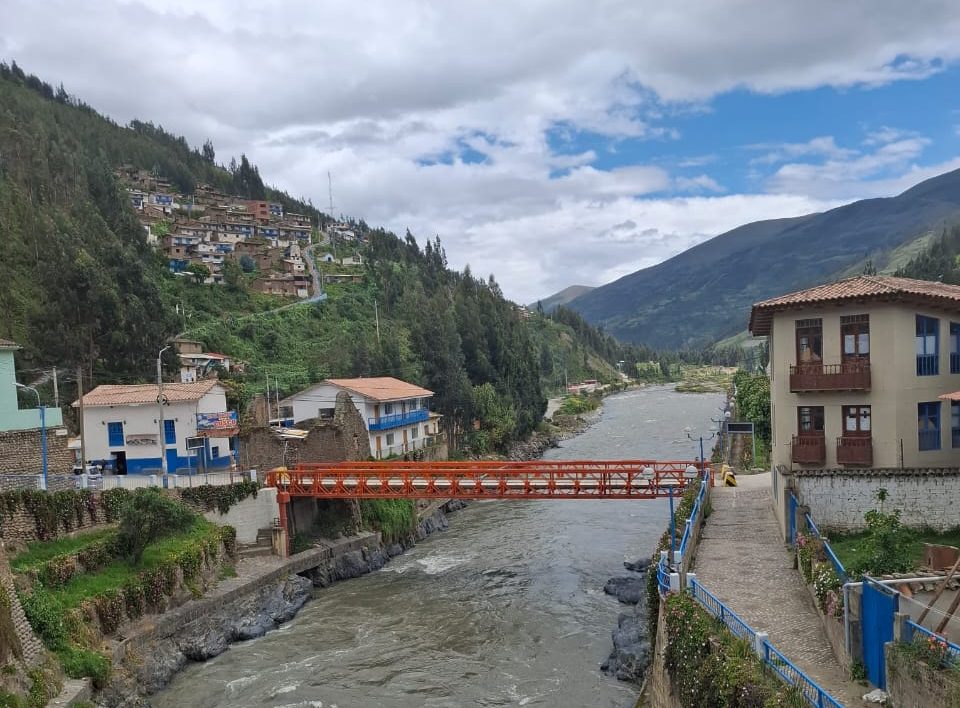
High in the Peruvian Andes, a small town transforms every July into the heart of one of the country’s most vibrant and meaningful festivals. Paucartambo and the Virgin of Carmen take center stage as this charming town, with its cobbled streets and colonial buildings, welcomes thousands of visitors who gather to honor the Virgin of Carmen—lovingly known as “Mamacha Carmen.” This celebration is not only about faith; it also offers a powerful blend of music, dance, culture, and tradition.
Centuries-Old Devotion
The worship of the Virgin of Carmen in Paucartambo began in the 1600s. Spanish missionaries introduced her image to the region. Over time, Andean beliefs merged with Catholic practices. As a result, a unique religious and cultural festival emerged. Today, the people of Paucartambo regard her as their spiritual protector and the heart of their identity.
A Celebration of Faith and Joy
Every year from July 15 to 18, Paucartambo explodes with color, music, and movement. During these days, locals and tourists alike participate in Masses, theatrical performances, and vibrant parades. On July 16, the highlight of the event takes place. A procession carries the Virgin through the town with emotional songs, fireworks, and heartfelt devotion. Furthermore, the entire community joins together in joy, making this a celebration unlike any other.
Typical Dances: Expressions of Identity in Paucartambo and the virgin of carmen.
Dances are central to this festival. More importantly, they tell stories of history, resistance, and spiritual belief. Each dance group symbolizes a unique aspect of Peruvian culture:
- Qhapaq Qolla – Merchants from the highlands with white masks and woolen outfits.
- Qhapaq Negro – Tribute to enslaved Africans, performed with strength and solemnity.
- Saqra – Mischievous devils wearing grotesque masks who dance energetically to distract the faithful.
- Ch’unchu – Groups from the Amazon, dancing with feathers and swift movements.
In addition, each performance includes handmade costumes, live music, and powerful gestures that connect the past to the present.
Saqra Masks: Handmade Symbolism
Without a doubt, Saqra masks are some of the most iconic elements of the celebration. Artisans from Paucartambo sculpt and paint each mask by hand. Because of this, no two masks are exactly the same. Every detail—from the twisted horns to the exaggerated eyes—communicates the duality of fear and humor. Consequently, these masks have become a symbol of the entire festival.
Cultural Tourism in Cusco: Paucartambo and the Virgin of Carmen
For many travelers, this celebration is a gateway to understanding the deep roots of Peruvian culture. While the festival itself is the main attraction, there’s much more to see. Visitors often explore the colonial architecture, savor traditional Andean dishes, and hike to Tres Cruces, a famous viewpoint above the clouds. Since Paucartambo is only three hours from Cusco, it’s an easy and rewarding trip.
The Grand Procession: Collective Devotion
On the morning of July 16, the town gathers for the central act of faith: the grand procession. Men, women, and children sing as they follow the Virgin through the streets. Instead of simply watching, people become part of the experience. Their devotion creates a powerful and emotional atmosphere. At that moment, Paucartambo becomes one heart beating in unison.
Religious Festivities in July
Peru celebrates many religious events in July. Even so, the Virgin of Carmen festival in Paucartambo stands out. It offers more than entertainment. It provides a deep emotional connection to identity, history, and spiritual life. Due to its cultural richness, the festival has been declared National Cultural Heritage.
A Living Andean Legacy
This celebration is not frozen in the past. On the contrary, it grows each year. Families pass down costumes, songs, and stories to new generations. Above all, the fusion of Catholicism and native beliefs—known as Andean religious syncretism—keeps the festival authentic and alive. It is a clear example of how tradition can remain relevant through community and faith.
Frequently Asked Questions: Paucartambo and the Virgin of Carmen
When is the festivity celebrated?
It takes place from July 15 to 18, with July 16 being the main day of celebration.
What does “Mamacha Carmen” mean?
It is an affectionate term in Quechua and Spanish that means “Little Mother Carmen.”
How do I get to Paucartambo from Cusco?
The town is about a 3-hour drive from Cusco by mountain road. Leaving early is recommended, especially during the festival.
Is the festival free to attend?
Yes, all public events are free. However, accommodations and transportation should be reserved in advance due to high demand.What else can I do in Paucartambo?
You can enjoy the town’s colonial charm, explore local food, visit the museum, or hike to natural viewpoints nearby.

