

The Inca Trails to Machu Picchu in September offer a unique opportunity for travelers looking to experience Peru’s most iconic trek. This month marks the end of the dry season, offering favorable conditions for hiking. Trails are open, weather is relatively stable, and the landscape remains lush from the earlier months of rainfall. For those considering this adventure, September combines moderate temperatures, less rainfall, and manageable crowds. Due to these factors, Inca Trail weather in September is among the most pleasant throughout the year, making it a popular time for booking.

Benefits of Hiking the Inca Trails to Machu Picchu in September
September stands out as one of the best times to hike Inca Trail because it strikes a balance between weather and trail availability. Rain is minimal, and daytime temperatures are warm without becoming too hot. Nights can be chilly at higher elevations, so proper gear is essential. Trail conditions remain dry, reducing the risk of slippery terrain. Additionally, the crowds are thinner than in July and August. This means more enjoyable viewpoints and quieter campsites. Choosing Machu Picchu tours in September allows travelers to enjoy the route without the peak season congestion. Furthermore, September offers excellent opportunities for photography, with clear skies and vibrant natural colors across the Andean landscape.
Understanding the Inca Trail Weather in September
The Inca Trail weather in September is generally dry, with average daytime temperatures ranging between 18°C and 22°C. Nights can drop to around 5°C, especially at campsites located at higher altitudes. While rainfall is uncommon, occasional light showers may occur, particularly near cloud forest areas. Therefore, packing layers is essential for comfort and adaptability. Sun exposure is also intense at altitude, so sunscreen and protective clothing are necessary. The favorable weather makes this a great month for trekking, as it minimizes discomfort and risk. Due to stable conditions, more hikers can complete the route without major disruptions, which is not always the case in wetter months.
How to Secure Hiking Permits for Inca Trail?
Anyone planning to hike the Inca Trails must obtain hiking permits for Inca Trail, which are limited to 500 per day, including guides and support staff. These permits are often sold out months in advance, especially during dry season months like September. Therefore, it’s crucial to know how to book Inca Trail in advance through a licensed tour operator. Booking early ensures access to the dates and itinerary you prefer. The Peruvian government requires all hikers to be part of an organized tour, so self-guided treks are not allowed. Once the quota is reached for any given date, no additional permits are issued, making advanced planning essential for a successful trek.
Choosing Guided Inca Trail Tours in September
For most travelers, joining one of the many guided Inca Trail tours is the best way to experience this iconic route. These tours provide logistics, permits, porters, equipment, and knowledgeable guides. In September, many reputable operators offer group and private packages catering to different fitness levels and interests. Guides offer cultural and historical context at key sites along the trail, including Wiñay Wayna and Intipunku. Their expertise also helps manage altitude changes and trail conditions. Tour operators vary in price and service, but most provide tents, meals, and first-aid. Booking with experienced agencies ensures safety, comfort, and compliance with current Machu Picchu entrance rules 2025.
What to Expect on the Inca Trail in September?
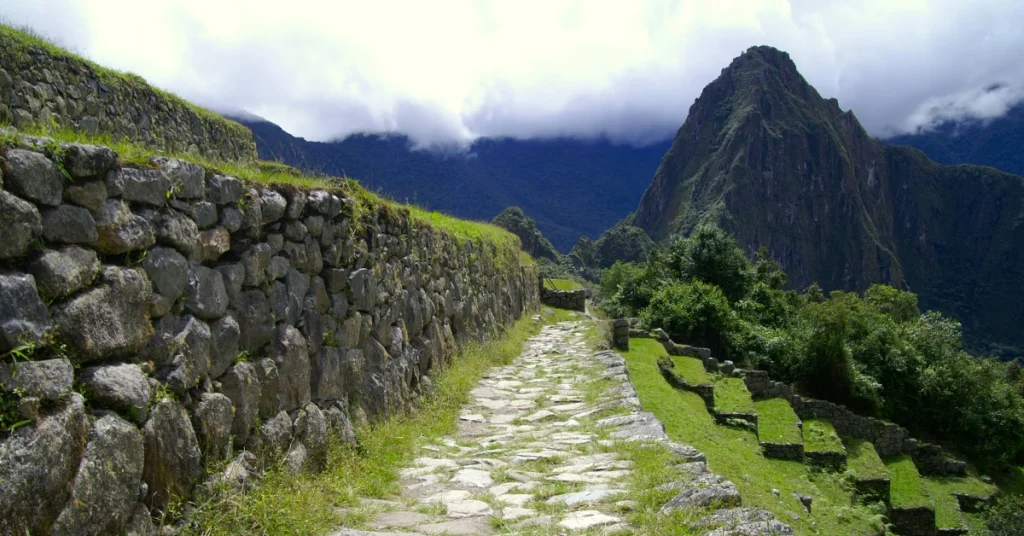
Trekking in September offers scenic beauty and an immersive cultural journey. Hikers encounter a mix of cloud forest, alpine tundra, and ancient ruins. The trail consists of steep ascents, long descents, and uneven terrain. While the hike is rewarding, the difficulty of Inca Trail hike should not be underestimated. On average, hikers walk between 10 and 15 kilometers per day, depending on the itinerary. Proper training, mental preparation, and equipment are essential for completing the trek successfully. Despite the challenge, September’s favorable climate makes each day more manageable. Expect early starts, long days, and stunning views, particularly from Dead Woman’s Pass and the Sun Gate.
Details of the 4-Day Inca Trail Itinerary
The most common trekking route is the 4-day Inca Trail itinerary.
- Day one begins with a gentle walk along the Urubamba River and stops at Llactapata ruins.
- Day two is the most challenging, with a steep ascent to Dead Woman’s Pass at 4,215 meters.
- Day three includes several archaeological sites, such as Runkurakay and Phuyupatamarca, before reaching Wiñay Wayna.
- The final day begins before dawn with the hike to Intipunku, also known as the Sun Gate, where the first glimpse of Machu Picchu awaits. September’s weather allows for fewer delays, smoother transitions, and memorable views along each stage of the journey.
Inca Trail Packing List for September
A well-prepared Inca Trail packing list September includes layered clothing, rain protection, sun gear, and sturdy hiking boots. Lightweight thermal clothing is essential for cold nights, while moisture-wicking shirts are ideal during the day. A good sleeping bag rated for sub-zero temperatures is recommended. Additional items include trekking poles, water purification tablets, snacks, and a personal first aid kit. A small backpack is used during daily hikes, with porters carrying heavier gear. Since September has low rainfall, waterproof gear may be optional, but a poncho or light jacket is still advised. Proper preparation ensures comfort, safety, and a more enjoyable experience.
Altitude Tips for Inca Trail Hikers
One of the most important altitude tips for Inca Trail is to acclimate properly before starting the trek. Spending at least two days in Cusco or the Sacred Valley helps the body adjust to elevation. Symptoms of altitude sickness can include headaches, nausea, and shortness of breath. Hydration, rest, and light activity before the hike are essential. Guides often carry oxygen, and many travelers take altitude medication if needed. Trekking slowly, eating light meals, and avoiding alcohol can also help. In September, lower humidity and clear air may ease breathing, but the risk remains. Always listen to your body and inform your guide if symptoms worsen.
Comparing Inca Trail vs Salkantay in September
Choosing between Inca Trail vs Salkantay in September depends on hiking preferences and permit availability. The Inca Trail is more regulated and includes iconic ruins only accessible on that route. In contrast, the Salkantay Trek is slightly longer, more remote, and does not require permits. However, it also involves higher elevations and colder conditions. September is favorable for both treks, but Inca Trail offers more infrastructure and support. Salkantay may appeal to adventurous hikers who prefer fewer crowds. The Inca Trail remains more popular due to its historical significance and unique entry to Machu Picchu through the Sun Gate. Both offer rewarding experiences in this season.
Inca Trail Availability and Booking Timeline
The Inca Trail availability September tends to fill up quickly, especially for early and mid-month dates. Experts recommend booking six to eight months in advance. Licensed operators list available dates and manage the permit process. Once you secure the permits, you can’t change the dates or names. September is not as busy as July or August, but its growing popularity requires early action. Flexible travelers may still find openings during late September, especially for private groups or alternate itineraries. Always confirm availability before booking flights or accommodations. Planning ahead guarantees access and allows time for proper training and preparation.
Travel Tips for Visiting Peru in September
Practical travel tips for Peru in September include bringing local currency, using official taxi services, and being aware of altitude. Weather is stable in most regions, making it a great time to explore beyond the trail. Places like the Sacred Valley, Arequipa, and Lake Titicaca are accessible and less crowded. Public holidays may affect local services, so checking calendars helps avoid delays. Travel insurance is advised, especially for trekking activities. In Cusco, wearing layers and drinking coca tea helps with altitude. Booking transport and accommodations in advance reduces stress. Overall, September is ideal for combining cultural visits and outdoor adventures across Peru.
Frequently Asked Questions about Inca Trails to Machu Picchu in September
1. How far in advance should I book the Inca Trail for September?
Booking at least 4–6 months in advance is highly recommended. Permits for the Inca Trail are limited and tend to sell out quickly, especially for popular months like September. Planning early ensures your spot and preferred travel dates.
2. Can I hike the Inca Trail without a guide?
No, you cannot hike the Inca Trail independently. The Peruvian government requires all hikers to be accompanied by a licensed tour operator. This regulation is in place to protect the trail and ensure tourist safety.
3. What type of food is provided during the Inca Trail trek?
The meals provided are generally fresh, balanced, and nutritious. You can expect dishes that include soups, rice, meats, vegetables, and tea or herbal infusions. Vegetarian options are available upon request, and some companies may cater to special dietary needs if informed in advance.
4. Are there bathrooms on the Inca Trail?
There are basic toilet facilities at most campsites and some checkpoints along the trail. These are often squat-style toilets, and some may lack running water. It’s advisable to bring your own
toilet paper and hand sanitizer for better hygiene.
5. Is travel insurance required for the Inca Trail?
While not mandatory, it is strongly recommended to have travel insurance. It should include coverage for medical emergencies, trip cancellations, and altitude-related illnesses. Being insured gives peace of mind in case of unforeseen events during your trip.
For more information, please contact us.

