Inca Trail in August is one of the most sought-after experiences for travelers arriving in Peru. This month coincides with the dry season in the Andes, which allows for enjoying the route with clear skies and well-maintained trails. However, it is also a period with a high influx of tourists, so planning in advance is key to having a good experience.
The Inca Trail in August combines mountain landscapes, archaeological sites, and a climate that favors hiking. Nevertheless, it is important to understand both the advantages and disadvantages to make informed decisions. Factors such as weather, permit availability, appropriate clothing, and prior planning directly influence the success of the trip.

- Advantages of Doing the Inca Trail in August
- Disadvantages of Doing the Inca Trail in August
- Weather Considerations in August
- Availability and Booking in August
- Tips and Recommendations for the Inca Trail in August
- Tourism in Cusco in August
- Overall Experience of Hiking to Machu Picchu in August
- Prices and Budget for August
- Final Recommendations for the Inca Trail in August
- Frequently Asked Questions About the Inca Trail in August
- Our tours related to hiking to Machu Picchu
Advantages of Doing the Inca Trail in August
August offers a series of benefits for those who want to hike this famous trail. Most are related to weather and trail conditions.
Dry Climate and Favorable Hiking Conditions
The weather on the Inca Trail in August is dry, with mostly clear skies during the day. Rain is very infrequent, reducing the risk of landslides or slippery trails. Daytime temperatures usually range between 59°F and 72°F, ideal for walking.
Nights can be cold, dropping to 32°F or even lower in some high-altitude areas. Therefore, it is important to bring proper clothing to stay warm during rest. The Inca Trail experience in the dry season allows for clearer views, especially in elevated sections with mountain panoramas.
Greater Safety Along the Trail
Thanks to stable weather, the trails remain firm, without mud or water accumulation. This makes movement easier, especially on stone stairs or steep sections. Also, there is less chance of route interruptions or changes due to weather conditions.
Natural Landscapes and Clear Views
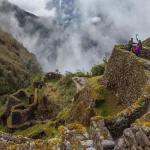
During August, visibility is excellent. Travelers can see mountains, rivers, and archaeological remains without constant fog. This improves photo quality and allows for making the most of the route’s stops.
Disadvantages of Doing the Inca Trail in August
Although August presents many advantages, it also has aspects that must be carefully considered.
High Season on the Inca Trail
August is part of the high tourist season in Peru. This means that the routes, campsites, and archaeological areas can be quite crowded. The Inca Trail availability in August often sells out months in advance, requiring early bookings.
Additionally, sharing the trail with many groups may reduce the sense of tranquility in some stretches. The presence of more people also increases demand for services such as transport, lodging, and entrance tickets to Machu Picchu.
Higher Prices for Tourist Services
During August, prices for accommodation, transport, and tours tend to rise. This includes the cost of a 4-day Inca Trail tour in August, which may be higher compared to less busy months. Flights to Cusco also tend to be more expensive during this period.
Therefore, travelers with tight budgets should evaluate whether this month is the best option. Planning in advance helps to find better rates, but overall costs will still be higher than during the low season.
Weather Considerations in August
The weather on the Inca Trail in August is one of the most important factors for a successful trip. Although dry, it has particular features that require preparation.
Temperatures During Day and Night
During the day, the sun can be intense, especially in areas without shade. It is recommended to bring sunscreen, sunglasses, and a hat or cap. Hikes are more pleasant with light, breathable clothing, although it is always useful to have a windbreaker jacket.
At night, temperatures drop considerably. In the higher campsites, such as Pacaymayo, temperatures can fall below freezing. Therefore, clothing for the Inca Trail in August should include thermal layers, a hat, gloves, and a sleeping bag suitable for cold weather.
Risk of Dehydration
The dry climate and altitude can cause rapid fluid loss. It is essential to carry water and drink frequently, even without feeling thirsty. It is also recommended to consume fresh fruits, energy bars, and carbohydrate-rich foods to maintain energy.
Availability and Booking in August
Inca Trail availability in August is limited and sells out quickly. Each day, only 500 people are allowed on the trail, including guides, porters, and cooks.
How to Book the Inca Trail in August?
The best option is to book through an authorized agency, 4 to 6 months before the trip. To secure a spot on the 4-day Inca Trail tour in August, it is recommended to purchase the package between January and March. The earlier the reservation, the greater the chance of choosing the desired date.
When booking, personal details and payment are required. The permit is personal and non-transferable, so all information must be carefully checked before submission.
Alternatives if There Are No Spots
If permits for August are already sold out, there are other routes to Machu Picchu. Options such as Salkantay, Lares, or the Inca Jungle are viable alternatives. Though different, they also offer incredible landscapes and unique experiences.
Tips and Recommendations for the Inca Trail in August
Good preparation makes a difference in the experience. Following certain recommendations ensures a more comfortable and safe hike.
Clothing and Necessary Equipment
Clothing for the Inca Trail in August should adapt to variable weather. It is advised to bring:
- Waterproof or windbreaker jacket
- Quick-dry shirts
- Comfortable hiking pants
- Thermal underwear
- Sun hat and warm hat
- Gloves
- Trekking poles with rubber tips
- Headlamp
- Light backpack with hydration system
Prior Physical Preparation
The Inca Trail in August requires physical effort. Altitude can affect even those in good shape. Therefore, it is advisable to arrive in Cusco at least two days early to acclimate.
Also, regular walking weeks before the trip helps build endurance. Climbing stairs or hiking at altitude is useful to prepare for the required effort.
Caution During the Trek
Using insect repellent is necessary, especially in the final sections of the trail. Also, untreated water should be avoided. Bringing water purification tablets or a portable filter is recommended.
Guides usually monitor the group’s health, but any discomfort should be reported immediately. Do not push your body if altitude sickness symptoms appear to avoid complications.
Tourism in Cusco in August
Doing the Inca Trail in August also allows you to explore Cusco during a vibrant period. This month, the city welcomes visitors from all over the world, creating a lively cultural atmosphere.
Museums, churches, and markets are open to tourism. There are also local festivals and artistic activities in plazas and streets. Tourism in Cusco in August is a great opportunity to learn more about Inca history and Andean culture.
Overall Experience of Hiking to Machu Picchu in August
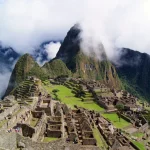
Hiking to Machu Picchu in August is one of the most memorable ways to see this wonder. Arriving via the Inca Trail grants exclusive access to the Sun Gate (Inti Punku), with direct views of the citadel at sunrise.
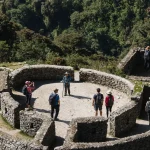
The four-day trek allows connection with nature and history, passing through archaeological sites like Wiñay Wayna and Phuyupatamarca. Each day offers different landscapes and manageable physical challenges with proper preparation.
The Inca Trail experience in the dry season is considered by many as the safest and most complete of the year. Although it requires prior logistics, the rewards of the trip justify the effort.
Prices and Budget for August
Inca Trail prices in August vary depending on the agency but generally range between $650 and $900 per person for the classic 4-day tour. This amount includes permits, guide, food, camping equipment, transport, and entrance to Machu Picchu.
It is important to check what services are included and which require additional payment. For example, climbing Huayna Picchu or upgrading the return train can increase the total cost.
Final Recommendations for the Inca Trail in August
The most important recommendations for August on the Inca Trail are:
- Book at least 4 months in advance
- Prepare physically with prior hikes
- Adapt to the dry weather with constant hydration
- Bring appropriate clothing for variable temperatures
- Enjoy the surroundings without leaving trash or damaging heritage
A trip to Peru in August with the Inca Trail as the main activity offers adventure, culture, and connection to Inca history. Despite high demand, it remains a unique experience for those looking to hike to Machu Picchu with purpose and preparation.
Frequently Asked Questions About the Inca Trail in August
1. Is it mandatory to hire a tour to do the Inca Trail in August?
Yes, it is mandatory. The Peruvian government only allows entry to the trail through licensed tourism agencies. These agencies manage the permits, provide certified guides, and organize the logistics of the hike, including meals, porters, and camping equipment. Independent hiking is not permitted at any time of year.
2. How many kilometers are covered during the classic tour in August?
The classic 4-day Inca Trail tour covers approximately 42 kilometers or 26 miles. The route includes steep ascents, descents, and variable terrain. The daily distance walked varies, with the longest day typically being around 16 kilometers. Physical preparation is essential to complete the hike comfortably.
3. Can I climb Huayna Picchu if I do the Inca Trail in August?
Yes, you can add Huayna Picchu to your itinerary, but only if you reserve it in advance. This popular mountain has limited daily entry slots, and they tend to sell out quickly, especially in August, which is peak season. Check availability when booking your Inca Trail permit with the agency.
4. Is it possible to do the Inca Trail with children in August?
Yes, children are allowed on the trail, but it is recommended they be at least 10 years old. They should also be in good physical condition and used to long walks or outdoor activities. Some agencies may request a minimum age or previous trekking experience, especially during August when the trail is more crowded.
5. How many days before the tour should I arrive in Cusco to acclimate?
It is ideal to arrive in Cusco at least two to three days before the hike. This time allows your body to begin adjusting to the high altitude and helps reduce the risk of altitude sickness. During these days, it’s advisable to rest, hydrate, and avoid intense physical activity until you’re fully acclimated.
For more information, please contact us.
Our tours related to hiking to Machu Picchu
- Machu Picchu Day Trip from Cusco: Explore the Ancient Wonder
- Machu Picchu Inca Trail Tours – 4 Day Inca Trail
- 5 Day Salkantay Trek to Machu Picchu – Salkantay Trek Peru
- Lares Trek to Machu Picchu – Lares Peru