The journey of Best Trails to Machu Picchu begins by understanding the options, logistics, and key aspects of planning. If you’re considering routes like the Inca Trail hike, Salkantay trek to Machu Picchu, or the Lares route Machu Picchu, this article provides clear, accurate, and updated information on permits, weather, packing, training, and more. You’ll learn about alternative treks to Machu Picchu, trekking tips, altitude, trail maps, and requirements, all in one place.
Main Routes (Best Trails to Machu Picchu)
Inca Trail hike
The classic Inca Trail hike is the most famous route. It spans about 43 km over 4 days, with high points like Dead Woman’s Pass (4,215 m) and nights spent camping. Booking in advance is required (only 500 permits per day, including guides and porters), and an official guide is mandatory. The ideal season runs from May to September, though April and October are also good. The weather is dry, but night temperatures can drop to freezing. This trek requires an intermediate to high level of fitness, endurance for several hours of uphill and downhill walking, and proper gear organization.

Salkantay trek to Machu Picchu
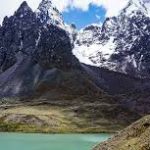
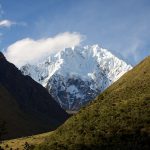
The Salkantay trek to Machu Picchu covers about 55–66 km in 5 to 6 days, reaching the Salkantay Pass at approximately 4,600 m, with stunning views of Humantay Lake. Unlike the Inca Trail, it does not require permits but is longer and generally considered more demanding, with higher altitudes and extended distances. It’s mainly remote, ending in Aguas Calientes. It can be done year-round, though it’s best to avoid the heavy rains of December to February.

Lares route Machu Picchu
The Lares route Machu Picchu is quieter and more cultural. It lasts 3 to 5 days, starting near Lares, passing through Andean communities and hot springs. The highest point reaches around 4,500 m. It’s a medium-difficulty trek, suitable for those who prefer a cultural and nature mix, without large crowds. No special permits are required other than the Machu Picchu entry ticket.

Alternative treks to Machu Picchu
In addition to the previous routes, there are alternative treks to Machu Picchu such as the Inca Jungle Trek, Vilcabamba, or Choquequirao. These range in duration (from 4 to over 10 days), physical demand (medium to very high), and cultural experiences. No special trail permits are needed, just the Machu Picchu entry ticket. They are ideal for those avoiding Inca Trail crowds and seeking more intense challenges.
Permits and Logistics
Trekking permits Machu Picchu
For the Inca Trail hike, permits are required and sell out months in advance. The Peruvian government limits access to 500 people per day. The Salkantay, Lares, and other routes do not need special trail permits, just a ticket to Machu Picchu. In general, it’s essential to book early to secure your spot and dates.
Best time to hike Machu Picchu
The best time to hike Machu Picchu is from April to September. Dry months (May–August) offer little rain, clear skies, and mild temperatures. April and October have fewer visitors and still good weather. Avoid December to March, when rains are heavy and the Inca Trail is closed in February for maintenance.
Climate and altitude: important things to know
The weather on the trails of Machu Picchu
Weather along the trails varies. Daytime temperatures range from 15–20 °C, with cold nights dropping below zero. In higher altitudes (4,000 m+), conditions can change quickly, including snow or sudden rain. It’s essential to wear layered clothing, a waterproof jacket, hat, gloves, and have dry clothes to change into at the end of the day.
Hiking altitude sickness
Altitude is a key factor in the Best Trails to Machu Picchu. Machu Picchu itself sits at 2,430 m, Cusco at 3,400 m, and passes can exceed 4,200 m (Inca Trail) or 4,600 m (Salkantay). To acclimate, spend 2–3 days in Cusco before trekking and stay hydrated. Avoid alcohol, eat light, and rest frequently to reduce risk.
Trekking Tips and Training
Machu Picchu trekking tips
Some essential Machu Picchu trekking tips: use trekking poles for knees and balance, protect from the sun (hat, sunglasses, sunscreen), carry energy snacks, and maintain a steady pace. Go slow and steady, especially on climbs, and rest every hour while drinking water regularly.
How to train for Machu Picchu hike
A good plan for how to train for Machu Picchu hike includes cardio (walking, jogging, cycling) and strength training (lunges, squats, core). Train 3–5 days per week for 3–6 months before your trip. It’s ideal to simulate conditions by hiking on trails with elevation gain.
Gear Essentials
What to pack for Machu Picchu hike
The ideal packing list includes a daypack (30–40 L), rain jacket, warm jacket, hiking boots, trekking poles, sleeping bag if camping, water bottle or hydration pack. Also bring a flashlight, hat, gloves, sunscreen, first-aid kit, layered clothing for variable weather, and portable chargers.
Camping on the Inca Trail
If doing the Inca Trail hike, camping is part of the experience. You’ll sleep in tents provided or personal ones, and pay extra for a porter to carry heavy gear. Bring a sleeping bag rated at least 0 °C and a liner. During the day, your camping gear stays in central storage, and your daypack with water and snacks stays with you.
Trail Difficulty Comparison
Machu Picchu trail difficulty levels
- Inca Trail: intermediate-high level. Steep climbs and significant elevation changes.
- Salkantay trek: challenging, longer distance and higher altitude, high level.
- Lares route: medium difficulty, mixed terrain with moderate climbs.
- Alternative routes: range from medium to very high, depending on length and altitude.
Guided Tours vs Independent Travel
Guided hikes to Machu Picchu
For the Inca Trail, an official guide is mandatory. For other routes, a guide is optional but recommended for logistics, safety, and cultural knowledge. Guided hikes to Machu Picchu usually include transportation, meals, gear, and archaeological insights. Booking with local agencies is reliable and convenient.
Final Summary and Tips
- Choose the route that fits your fitness: Inca Trail, Salkantay, Lares, or others.
- Book permits and spots early.
- Plan physical training and acclimatization (3–6 months prep).
- Pack gear appropriate for weather and terrain.
- Arrive in Cusco at least three days early to adapt.
- Keep a steady pace, hydrate, eat light, and rest well.
- Consider hiring a guide for assistance and cultural context.
With this guide to Best Trails to Machu Picchu, you now have all the information needed to choose your route, train, pack, and reach Machu Picchu successfully. You’re ready to start this adventure with confidence and safety.

Frequently Asked Questions
1. What is the best age to do these treks?
There is no strict age limit set by authorities, but trekking operators generally recommend that children be at least 9 to 12 years old to attempt routes like the Inca Trail. The trail includes steep ascents and rugged terrain that can challenge younger children. Children under 9 are discouraged from doing the full trek, while those aged 9–12 who are physically fit and accustomed to regular hiking can handle it with proper preparation and guidance. Adults of any age can participate, provided they maintain a reasonable level of fitness and undergo proper acclimatization.
2. Can you bring a mobile phone during the trek?
Yes, you can carry a mobile phone, but you should not expect reliable service along the trail. Official information and traveler reports confirm that Wi‑Fi and mobile reception are unavailable on most sections of the Inca Trail. You will likely only regain connectivity in Aguas Calientes or near Machu Picchu. There are no outlets to charge devices on the trail, so bringing a portable power bank is essential to stay connected for emergencies or capturing photos.
3. How do you reserve Inca Trail permits?
Inca Trail permits are strictly limited to 500 people per day, including guides and porters, with roughly 200–250 slots available for trekkers. They become available annually, typically in October or November, and can sell out within hours, especially for the high months of May through August. To secure one, you must book through an authorized tour operator—permits cannot be purchased directly. You’ll need to provide your exact passport details (name, number, date of birth, nationality), and once issued, permits are non‑transferable and non‑refundable. Booking 6–8 months in advance is strongly recommended.
4. Is it possible to trek in winter (June–August)?
Yes, trekking during winter in the Southern Hemisphere (June–August) is not only possible but often preferred for clear weather conditions. This period coincides with Peru’s dry season, offering stable skies and minimal rainfall. However, nights and early mornings can be cold, with temperatures potentially dropping near freezing, especially at high altitudes. Expect busy trails and more tourists during this peak season. Booking permits and tours well in advance is crucial due to high demand.
5. What is the minimum mountain experience required?
There is no formal requirement for prior mountain experience, but familiarity with hiking, especially on uneven and high‑altitude terrain, is highly beneficial. The Inca Trail involves strenuous climbs, with altitudes reaching up to 4,200 m, while other routes like Salkantay reach even higher levels. Trekking operators suggest that participants should have experience walking long distances on uneven ground, understand pacing, and be prepared for altitude. Pre‑trek training—such as cardio and strength exercises—is strongly recommended to manage elevation changes and reduce the risk of altitude sickness.
Our Related Tours
- Machu Picchu Inca Trail Tours – 4 Day Inca Trail
- 5 Day Salkantay Trek to Machu Picchu – Salkantay Trek Peru
- Lares Trek to Machu Picchu – Lares Peru