The Inca Trail in November presents a compelling opportunity for travelers seeking a less crowded, more affordable, and peaceful experience. While the trail is popular year-round, many overlook November due to its place within Peru’s rainy season. However, for those willing to embrace the off-season, there are clear advantages to hiking the Inca Trail during this time. From fewer tourists on the Inca Trail to increased tour availability, travelers often discover a side of Machu Picchu that feels more personal, reflective, and authentic.

November is technically part of the low season on the Inca Trail, and that’s a huge benefit. Travelers will find that Inca Trail discounts in November are more widely available, and the budget travel to Cusco becomes a real possibility. The weather in November in Machu Picchu, while slightly unpredictable, is still generally mild and manageable for most hikers. With good preparation and the right gear, many hikers enjoy an adventurous yet peaceful hike on the Inca Trail, with crowd-free photography opportunities and deeper cultural connections.
- Traveling in the Low Season on the Inca Trail
- Weather in November in Machu Picchu and the Trail
- Fewer Tourists on the Inca Trail Means a Better Experience
- Benefits of the Inca Trail in November for Cultural and Spiritual Travelers
- Trekking Machu Picchu in November: Practical Planning Tips
- November Travel Tips for Peru
- Frequently asked questions about the Inca Trail in November
- Our Related Tours
Traveling in the Low Season on the Inca Trail
The concept of the low season on the Inca Trail is simple: fewer people are traveling, so availability increases and costs often decrease. November sits right on the edge of the rainy season, which starts around mid- to late-November and intensifies in December and January. This transitional period offers a sweet spot for hikers.
Operators and travel agencies tend to offer Inca Trail discounts in November to encourage bookings. Accommodation in Cusco, Sacred Valley, and nearby areas can also be booked at lower prices. For those managing a tight budget or looking to stretch their trip longer, this is the ideal month. Fewer crowds mean easier access to permits and more personal attention from guides. It’s also the perfect time to book last-minute tours, as tour availability on the Inca Trail tends to open up compared to the high season.

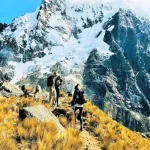
Additionally, the off-season nature fosters a more relaxed, peaceful hike on the Inca Trail. You’re less likely to be caught in bottlenecks or surrounded by groups at key archaeological sites along the route. For many, this alone makes the experience feel more spiritual and fulfilling.
Weather in November in Machu Picchu and the Trail
While the weather in November in Machu Picchu begins to shift towards the rainy season, it’s still generally suitable for trekking. On average, daytime temperatures range from 12°C to 20°C (54°F to 68°F). Mornings can be foggy but fresh, with occasional afternoon rain showers that rarely last long.
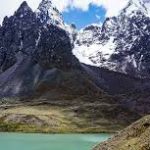
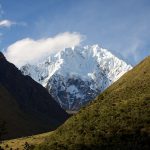
November is not as dry as the peak season (June to August), but it’s far from the heaviest rainfall months (January and February). The light rainy season in November makes the landscape especially lush. The mountains bloom with vegetation, and waterfalls begin to fill again. The nature on the Inca Trail in November is particularly vivid — green, vibrant, and rich in wildlife activity.
With proper preparation — such as waterproof boots, a rain poncho, and layered clothing — hikers can enjoy the route without discomfort. The cool weather is actually more comfortable than the intense sun exposure experienced in the dry season.
Fewer Tourists on the Inca Trail Means a Better Experience
The fewer tourists on the Inca Trail in November is one of its strongest advantages. Sites like Wiñay Wayna and the Sun Gate, which are often crowded in peak months, can be visited with little to no other people around. This enhances the sense of discovery and connection to the ancient paths walked by the Incas.
Because there are fewer groups, your tour guide may have more flexibility and time to explain the historical and cultural significance of the various landmarks. This fosters a richer cultural experience in November, often more immersive than in high-traffic months.
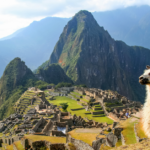
Crowd-free photography in Machu Picchu is also a major bonus. Capturing the sunrise over the citadel without jostling through a sea of selfie sticks is a rare treat. Photographers can frame shots without rushing or interference, making November a hidden gem for travel content creators and enthusiasts alike.
Benefits of the Inca Trail in November for Cultural and Spiritual Travelers
November offers more than just physical benefits. The benefits of the Inca Trail in November also include spiritual and cultural elements. With fewer people around and quieter trails, many hikers describe a sense of spiritual connection without crowds. The Inca Trail is not just a physical journey — it’s a walk through sacred landscapes filled with centuries of history and tradition.
Local communities are often more open and less overwhelmed in the low season. This creates better chances for authentic cultural interaction, whether through homestays, local markets in Cusco, or chats with porters along the trail. The less hurried pace of travel in November allows for deeper reflection and appreciation of Andean spirituality, traditions, and hospitality.

Trekking Machu Picchu in November: Practical Planning Tips
When it comes to trekking Machu Picchu in November, a few strategic decisions can make all the difference. First, book your Inca Trail permit in advance — even in low season, permits are required. However, you’ll find more tour availability on the Inca Trail compared to peak months.
Pack light but smart. Bring a waterproof jacket, hiking boots with good grip, quick-drying clothes, and extra socks. A compact umbrella or poncho helps during brief showers. Don’t forget insect repellent, as warmer weather can mean more bugs.
Health-wise, prepare for the altitude. Spend a couple of days in Cusco or Sacred Valley before starting the trek to acclimatize. Drink coca tea, hydrate often, and consider altitude sickness medication if you’re prone to it.
Opt for reputable trekking agencies that operate responsibly, support their porters, and follow sustainable travel practices. Several operators in Cusco specialize in budget travel to Cusco and low-season trekking.
November Travel Tips for Peru
Beyond the Inca Trail, November is a great month to explore other regions of Peru. Here are some quick November travel tips for Peru:
- Cusco sees fewer tourists, which means better hotel rates and less crowded attractions like Sacsayhuamán and San Pedro Market.
- Flights to Lima and Cusco can be cheaper than in high season.
- Bring sunblock — despite the cooler weather, UV radiation is strong at high altitudes.
- Visit the Sacred Valley’s lesser-known sites, like Moray and Maras, without the heavy crowds.
- Consider layering up at night, as temperatures can drop sharply.
Overall, November is an excellent month for travelers who value value, authenticity, and a slower travel pace. Whether you’re focused on history, culture, photography, or personal growth, the Inca Trail in November offers a less commercialized and more meaningful journey.

Frequently asked questions about the Inca Trail in November
1. Is the Inca Trail open in November?
Yes, the Inca Trail in November is open and fully operational. The trail closes only in February for annual maintenance. November falls in the shoulder season, which means it’s less crowded but still accessible. As long as you have a valid permit, you can hike without limitations during this month.
2. Do I need to book the Inca Trail in advance for November?
Yes, you must book your permit in advance. Permits are limited to 500 people per day (including guides and porters), with about 200 spots for hikers. While November is a low-season month, demand can still be high. Trek operators recommend booking 2–3 months ahead for low-season months like November. Waiting until the last minute increases the risk of selling out.
3. What kind of shoes are best for the Inca Trail in November?
Given the light rainy season in November, waterproof hiking boots with good ankle support and slip-resistant soles are essential. The trail can become muddy and slippery, especially on the stone stairways. Using trekking poles along with sturdy boots will significantly improve stability and safety during wet segments.
4. How wet is the Inca Trail in November?
November marks the beginning of the rainy season, but rainfall is generally moderate to light. Average precipitation ranges from 80 mm to 100 mm per month. Typical conditions include occasional afternoon showers and foggy mornings. Heavy downpours are uncommon, but when they happen, they can make trails muddy. With proper rain gear, most hikers report manageable conditions.
5. What is the weather like at Machu Picchu in November?
Machu Picchu in November experiences mild and humid weather. Daytime highs are around 25–26 °C (77–78 °F), while nighttime lows drop to 13 °C (55 °F). The month averages around nine rainy days with approximately 86 mm of rain. The increased cloudiness gives the site a misty, atmospheric look, which many find especially appealing.
6. Can I visit Machu Picchu by train instead of hiking in November?
Absolutely. Trains from Cusco or Ollantaytambo to Aguas Calientes run year-round, including November. This is an excellent option for travelers who prefer not to trek but still want to experience Machu Picchu. Booking tickets in advance ensures availability, especially since weather-related travel delays can occasionally affect schedules during the rainy season.
Our Related Tours
- Machu Picchu Inca Trail Tours – 4 Day Inca Trail
- 5 Day Salkantay Trek to Machu Picchu – Salkantay Trek Peru
- Lares Trek to Machu Picchu – Lares Peru