South American Camelids: A Magical Encounter in Cusco
When you set foot on Cusco land, you will be surrounded by some of the most emblematic South American camelids: llamas, alpacas and vicuñas. These animals with their noble gaze and golden fur are not only visual icons of the Andes, but also guardians of ancestral traditions. Let’s learn more about these species that await you in Peru’s sacred landscapes.
What Are South American Camelids?
South American camelids are a family of mammals that includes the llama, alpaca, vicuña and guanaco. Although these animals have a physical resemblance, each has unique characteristics that make them special. They all share a great adaptability to the harsh conditions of the high Andes mountains.
1. The Llama: The Charismatic Transport of the Incas
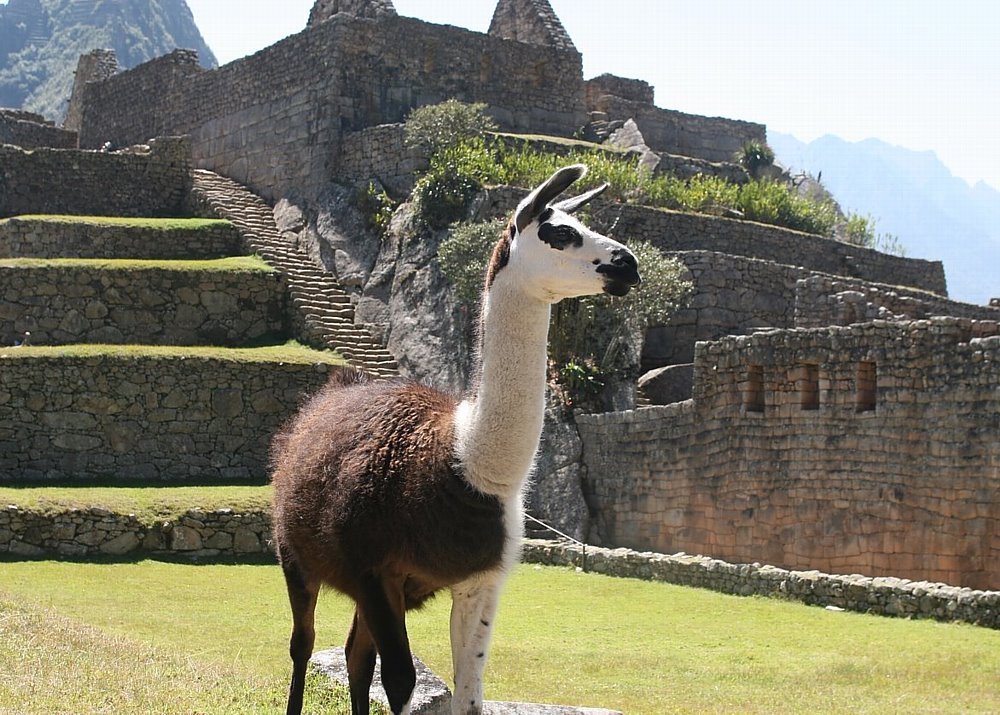
Identification:
Height: 1.7 to 1.8 metres (the largest of the four).
Weight: 130-200 kg
Unique traits: Curved banana-like ears, elongated muzzle and an ever alert expression. Its coat varies from white to dark brown.
Its history:
The llama was domesticated more than 6,000 years ago, and was essential to the Inca Empire, transporting goods along the Inca roads. Today, it remains vital to many local communities, who depend on them for a variety of activities.
Curious facts:
It only spits when it feels threatened (and with aim!).
In Quechua it is called qarwa and was considered a messenger of the apus (sacred mountains).
Where to see them:
Machu Picchu: They pose next to the terraces.
Sacred Valley: In cultivated fields in Chinchero and Maras.
Communities: Like the one in Huilloc, where they graze freely.
2. The Alpaca: The Wool Treasure of the Andes.
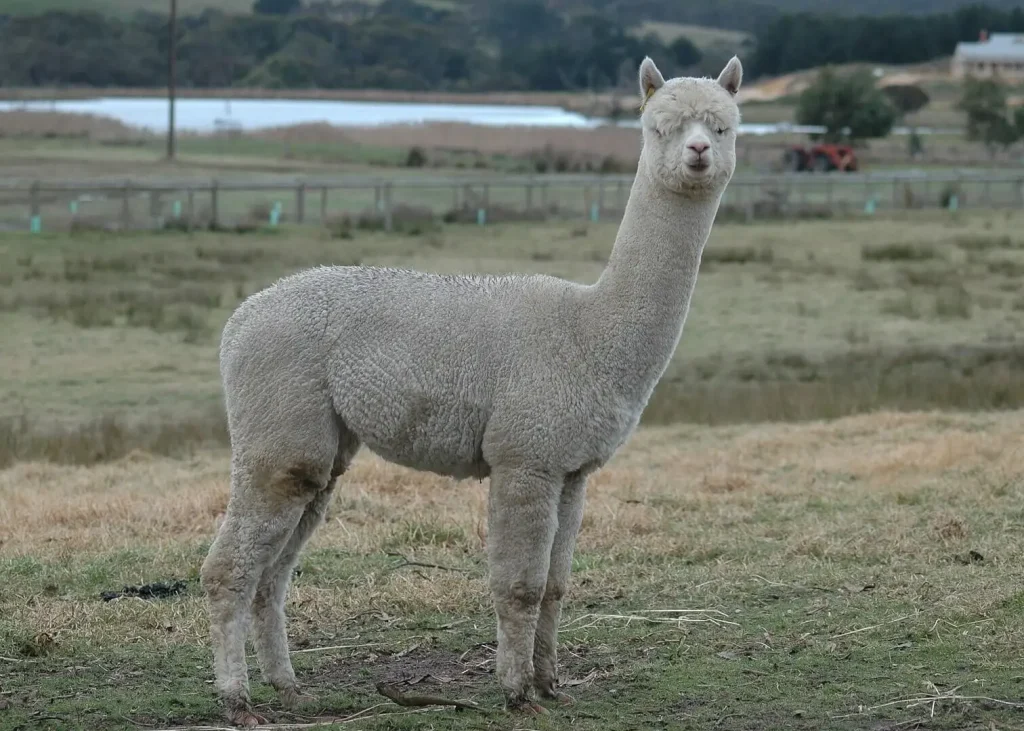
Identification:
Height: 0.8 to 1 metre (smaller and more compact than the llama).
Weight: 45-80 kg
Unique traits: Flattened face, small, straight ears, and fluffy, hug-like wool. There are two breeds: Huacaya (curly) and Suri (straight).
Its value:
Alpaca is known for its fiber, which is softer than that of sheep. In addition, its wool has 22 natural shades, which makes it an ideal material for making high quality textiles. It is therefore a crucial species for the local economy.
Curious facts:
The colours of their garments in communities like Chinchero carry messages: red for the earth, blue for the sky.
At the Alpaca Museum (Cusco) you can try luxury fabrics.
Where to see them:
Awanacancha: Camelid exhibition centre near Pisac.
Ausangate: They graze next to sacred snow-capped mountains.
3. La Vicuña: Andean Gold on Paws.
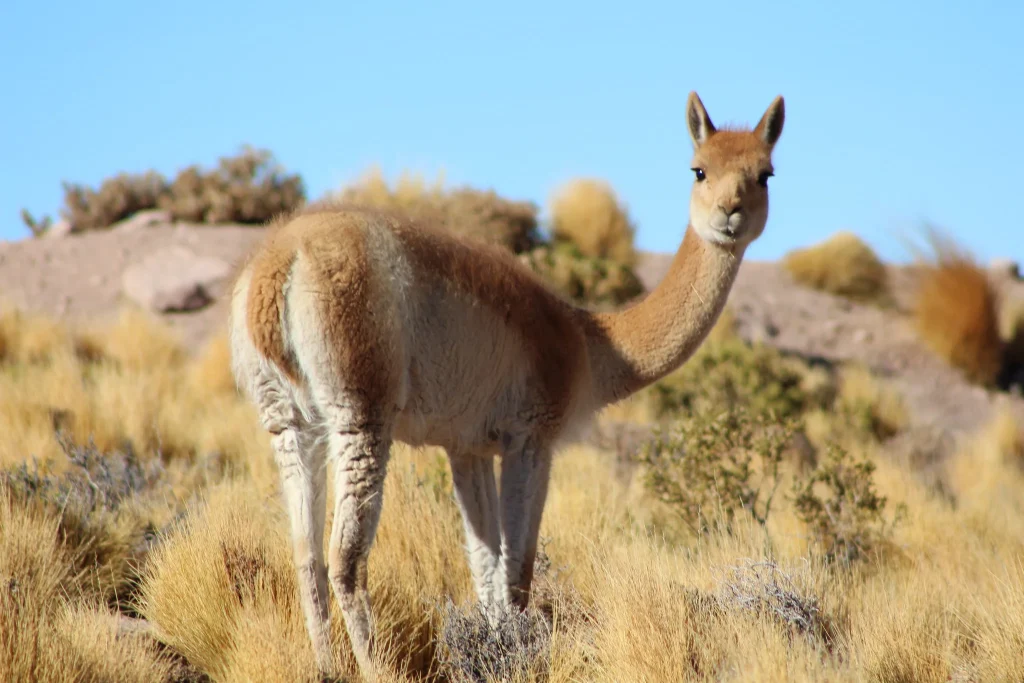
Identification:
Height: 0.75 metres (the smallest and most graceful).
Weight: 35-50 kg
Unique traits: Long neck, slender legs and golden coat with white chest. Its wool is only 12 microns thick (finer than cashmere).
Their protection:
The vicuña was on the verge of extinction, but today it has recovered thanks to reserves such as Pampa Galeras. In addition, its wool is extremely fine and valuable, so its shearing is carried out in a controlled and environmentally friendly manner.
Curious facts:
A kilo of vicuña fibre costs $500 dollars on the international market.
In the Andean cosmovision, it represents purity: you can’t hunt, just ‘ask permission’ from the Pachamama.
Where to see them in Cusco:
Salinas de Maras: In dry season (May-October).
Vilcanota Reserve: Areas above 4,000 masl.
4. The Guanaco: The Ghost of the Punas
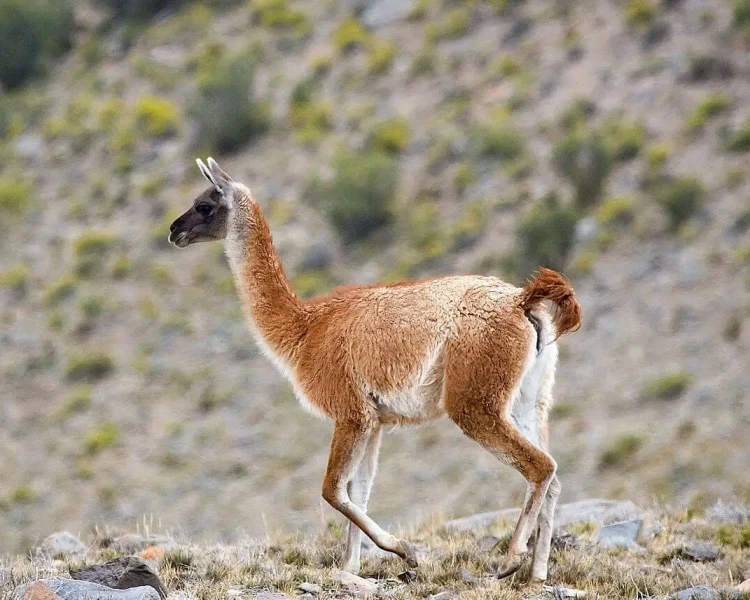
Identification:
Height: 1.1 metres (similar to the llama but more slender).
Weight: 90-140 kg
Unique traits: Uniform colour (light brown with white underbelly), pointed ears and large eyes. Runs at 56 km/h on rocky terrain.
Habitat:
Although rare in Cusco, in the south (Arequipa, Tacna) it forms herds. It is the ancestor of the domesticated llama and survives in arid areas thanks to its ability to drink salt water.
Curious facts:
Its name comes from the Quechua wanaku, and the Inkas represented it on pottery.
When it feels threatened, it emits a high-pitched sound called ‘relincho’.
Possible sightings:
Sibinacocha Lagoon (Cusco): In remote trekking.
Colca Canyon (Arequipa): Where it shares space with condors.
Conservation and Responsible Tourism
These animals face threats:
Llamas/Alpacas: Competition with introduced livestock.
Vicuñas/Guanacos: Poaching and habitat loss.
How to help:
Choose agencies that work with communities (e.g. Parwa Textiles in Chinchero).
Buy certified wool (look for the Vicuña Peru seal).
Respect distances: Use zoom for photos, don’t chase them.
How to Assist in the Conservation of South American Camelids
Illegal animal trafficking and habitat loss are serious problems for South American camelids. To contribute to their conservation, choose responsible agencies that work with local communities. Also, when buying alpaca products, look for certifications that guarantee their ethical origin, such as the Vicuña Peru seal.
Conclusion: An Encounter With Living History
Every encounter with these South American camelids is a dialogue with Andean history. From the working llama to the sacred vicuña, they are living threads of the great fabric that is the Andes. Ready to seek them out on your next trip to Cusco?