Visiting Ausangate in August is a unique experience for lovers of high-mountain trekking and Andean nature. This time of year coincides with the dry season in the Peruvian Andes, making it a favorable moment to explore this majestic mountain range. The weather is more stable, there is less rain, and the trekking routes are in better condition. In addition, it allows for clearer views of the landscapes, turquoise lagoons, and characteristic rock formations of this area. However, it’s important to consider logistical, physical, and environmental aspects before embarking on this adventure.
- Weather in Ausangate in August and trail conditions
- Tours to Ausangate from Cusco: Options and logistics
- What to bring to visit Ausangate in August?
- Trekking to Ausangate in the dry season and terrain conditions
- Difficulty level of the Ausangate trek
- Community of Pacchanta in Ausangate and available services
- Camping recommendations in Ausangate
- What to see on the route to Ausangate?
- Tips for trekking in Ausangate during August
- Frequently Asked Questions About Visiting Ausangate in August
- Our tours related to hiking to Machu Picchu and Visit to Vinicunca Mountain in August
Weather in Ausangate in August and trail conditions
During August, the weather in Ausangate remains dry and cold. Temperatures range from 0°C at night to 15°C during the day. The lack of rainfall makes the terrain more accessible but also more exposed to sun and wind. Because of the altitude, solar radiation is high even when the sky is partially cloudy. The dry season guarantees clear skies and panoramic views of glaciers, lagoons, and snow-capped peaks.
Trekking to Ausangate in the dry season means less mud, better visibility, and increased safety when crossing high passes. However, the extreme cold at night requires proper camping gear and thermal clothing. Nights are usually very clear, which is ideal for stargazing, but one must be prepared for the low temperatures.
Tours to Ausangate from Cusco: Options and logistics
There are several options for tours to Ausangate from Cusco that adapt to the traveler’s fitness level, available time, and prior experience. Agencies offer choices ranging from single-day hikes to full five-day expeditions. Most tours include transportation from the city, a specialized guide, meals, camping gear, and mule support.
The 5-day tour to Ausangate is the most recommended for those looking to explore the area in depth. This route allows visitors to experience different landscapes, visit high-Andean communities, and see lagoons such as Ausangatecocha and Pucacocha. It also includes time for proper acclimatization, which is vital due to the altitude and acclimatization in Ausangate.
Getting to Ausangate from Cusco usually involves a 3 to 4-hour road trip to Tinki or Pacchanta, the most common starting points for the trek. From there, the hike begins, usually heading toward the mountain and its main natural attractions.
What to bring to visit Ausangate in August?
Packing properly is essential for visiting Ausangate in August. The dry and cold climate, altitude, and uneven terrain require a specific list of essential items.
What to bring to visit Ausangate includes:
- Thermal clothing (base layers, fleece, waterproof jacket)
- Trekking pants and a change of clothes
- Gloves, hat, and UV-protection sunglasses
- High-resistance sunscreen
- Trekking poles
- Comfortable backpack with lumbar support
- Sleeping bag rated to -10°C or lower
- Waterproof and durable boots
- Personal first-aid kit with altitude sickness medication
- Energy snacks and a reusable water bottle
It’s also important to bring cash in soles, as there are no ATMs along the route. Don’t forget to carry a headlamp with spare batteries and a trash bag. Being a responsible traveler is part of the experience.

Trekking to Ausangate in the dry season and terrain conditions
Visiting Ausangate in August means walking trails that are in their best condition. Trekking to Ausangate in the dry season offers greater terrain stability and reduces the risk of slipping. However, there are steep sections, mountain passes, and rocky zones that require physical preparation.
The terrain includes sections of high-Andean grasslands, rocky slopes, and trails along lagoons. Hikers also cross passes like Abra de Palomani, which reaches over 5,100 meters in elevation. Therefore, it’s essential to walk at a steady pace, rest properly, and stay well-hydrated.
Using trekking poles helps reduce knee strain, especially on long descents. It is also advisable to walk in a group or with a guide for greater safety and orientation along the route.
Difficulty level of the Ausangate trek
The difficulty level of the Ausangate trek is considered medium to high. This is mainly due to the altitude, weather, and duration of the route. Although no climbing is required, the long hiking days (up to 8 hours per day) can be demanding for those with no prior high-altitude experience.
Therefore, it’s recommended to train beforehand with long-distance hikes. Altitude and acclimatization in Ausangate are key factors, as the route remains above 4,000 meters almost the entire time. Sleeping at these altitudes can also affect rest if one is not well adapted.
Altitude sickness may present as headaches, nausea, fatigue, or insomnia. To prevent it, it’s best to spend at least two days in Cusco before starting the trek. Drinking coca tea, eating light meals, and getting good sleep also help with acclimatization.
Community of Pacchanta in Ausangate and available services
The community of Pacchanta in Ausangate is one of the most popular starting points for trekking. It is located over 4,200 meters above sea level and offers basic lodging, traditional food, and natural hot springs.
From Pacchanta, the trek toward the mountain begins, passing by lagoons, wetlands, and scenic viewpoints. Many visitors take the opportunity to learn about local life and the Quechua culture, which remains alive in this area.
The hot springs near Ausangate are an excellent way to relax before or after the trek. They contain minerals that benefit muscles and help with physical recovery. In addition, they offer a direct view of the snow-capped mountain, making the experience memorable.
Camping recommendations in Ausangate
Visiting Ausangate in August involves camping in cold, high-altitude areas. Therefore, having the right equipment and following good camping practices is essential.
Camping recommendations in Ausangate:
- Use tents that can resist wind and cold
- Sleep on appropriate thermal pads
- Avoid camping near rivers or windy areas
- Wear dry clothes to sleep and avoid humidity
- Cook in safe areas away from vegetation
- Keep trash under control and take it back with you
It’s also important to respect designated camping zones, many of which are already identified on guided tours. Respecting the natural environment is key to preserving this fragile ecosystem.

What to see on the route to Ausangate?
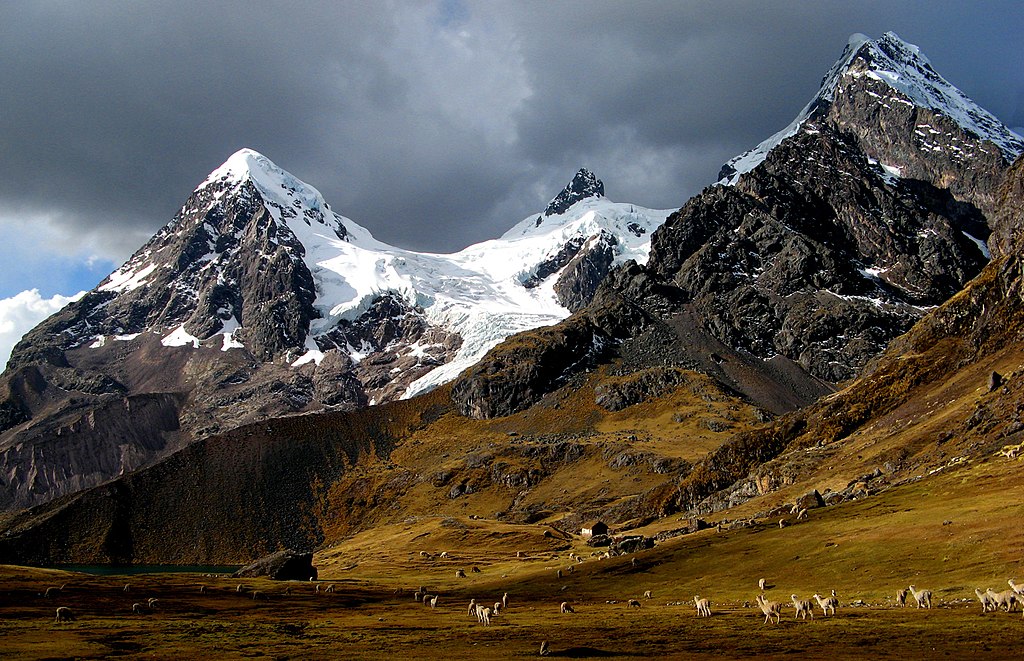
The trekking route offers a great variety of landscapes and cultural elements that enrich the journey. What to see on the route to Ausangate includes intensely colored lagoons, glaciers, rock formations, and Andean communities that maintain ancestral traditions.
Among the highlights are:
- Ausangatecocha Lagoon
- Ausangate Glacier
- Palomani Pass (highest point of the trek)
- Pucacocha Lagoon and its turquoise color
- Panoramic views of the Mariposa peak
- Encounters with free-roaming alpacas and llamas
The experience also includes cultural aspects, such as interaction with local people and observing traditional textiles and community customs.
Tips for trekking in Ausangate during August
Tips for trekking in Ausangate during August include specific measures to maximize safety and enjoyment. Taking advantage of the stable dry season weather, the route can be completed with greater peace of mind, as long as certain guidelines are followed.
Key tips include:
- Avoid overexertion on the first day
- Walk at a steady pace and avoid overly long breaks
- Stay constantly hydrated
- Use sun protection at all times
- Take care of your feet with good socks and quality footwear
- Sleep well before each hiking day
The Ausangate trek in August is an excellent opportunity to discover one of Peru’s most impressive mountains. However, carefully planning each detail will make a significant difference in the overall experience.

Frequently Asked Questions About Visiting Ausangate in August
1. Is there phone or internet signal during the Ausangate trek?
Most of the route has no signal, especially in remote areas far from local communities. However, some parts near Pacchanta or Tinki may offer limited mobile reception, depending on the provider. It’s advisable to inform family or friends before starting the trek and not rely on connectivity during the journey.
2. Is hiring a guide mandatory for the trek?
Hiring a guide is not mandatory, but it is highly recommended, especially for those who do not have experience at high altitude or are unfamiliar with the terrain. A guide ensures route safety, provides cultural insights, and helps with logistics and emergencies.
3. Are there lodging options along the route, or is camping the only alternative?
There are basic lodging facilities available in communities like Pacchanta or Upis, typically at the start or end of the route. However, the full circuit requires camping for most nights, as there are no formal accommodations in the high mountain sections. Guided tours usually include camping equipment and setup.
4. Is it necessary to book the trek in advance during August?
August is part of the high season in the Andes due to dry and favorable weather. Therefore, it’s advisable to book in advance, especially if you plan to join a guided tour or need transport services from Cusco. Booking ahead also ensures availability of gear and support staff.
5. Are there entrance fees or permits required to do the Ausangate trek?
There is no official entrance fee for the Ausangate trek circuit itself. However, some communities along the route may ask for a small contribution or ticket, usually to support trail maintenance and local tourism projects. These fees are minimal and paid in cash directly to local representatives.
For more information, please contact us.
Our tours related to hiking to Machu Picchu and Visit to Vinicunca Mountain in August
- Machu Picchu Day Trip from Cusco: Explore the Ancient Wonder
- Machu Picchu Inca Trail Tours – 4 Day Inca Trail
- 5 Day Salkantay Trek to Machu Picchu – Salkantay Trek Peru
- Lares Trek to Machu Picchu – Lares Peru