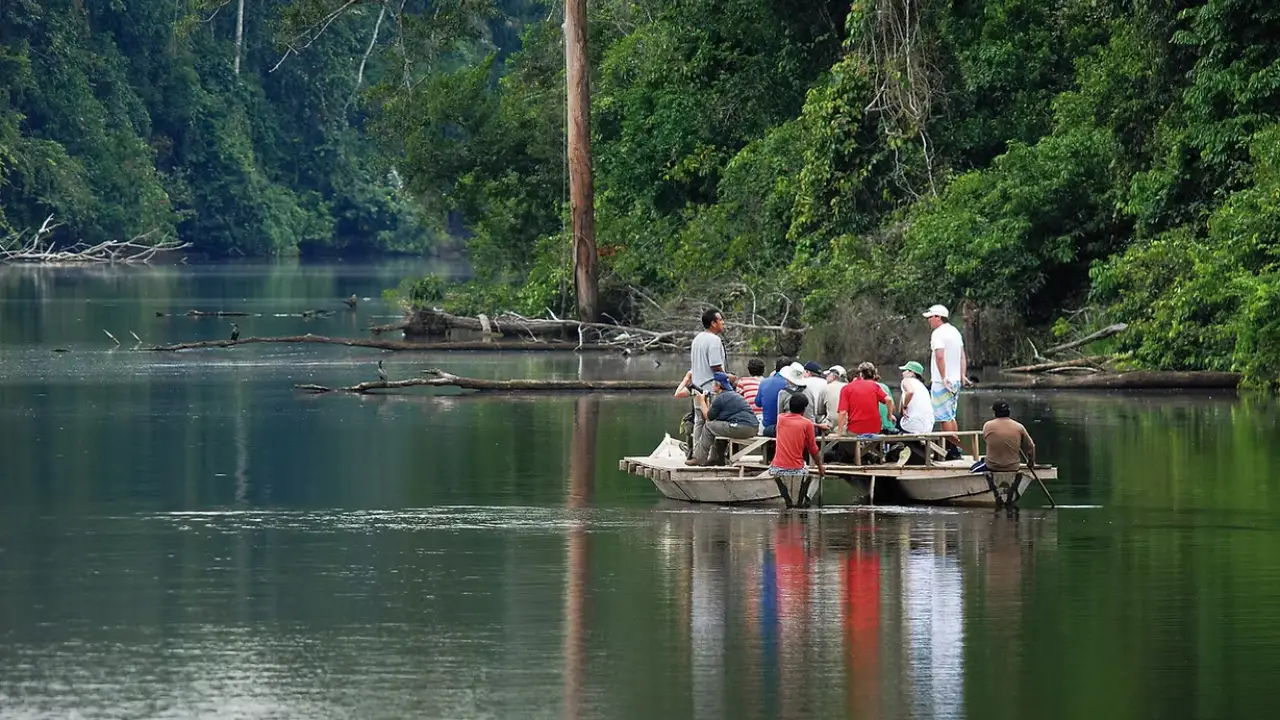
Embarking on a trip to Manu National Park, one of the most biodiverse places on the planet, requires meticulous preparation to ensure a safe and pleasant experience. Packing correctly for Manu National Park is one of the most important steps before traveling to the Peruvian Amazon jungle. The Amazonian climate, characterized by its high humidity (between 80% and 95%), frequent and unpredictable rains, and an abundant insect population, dictates the need for functional, lightweight, and protective luggage. Below is an exhaustive packing list, categorized to facilitate the preparation of your expedition to this jewel of the Peruvian Amazon.
I. Clothing: Lightweight, Protection, and Quick-Drying
The key to jungle clothing is protection against insects and the sun, as well as the ability to handle constant humidity. Wet garments take a long time to dry and increase in weight, so the choice of material is crucial.
- Recommended materials: Prioritize quick-drying synthetic fabrics such as polyester or nylon. Cotton, although cool, retains moisture and is not recommended for excursions, although it can be useful for relaxing at the lodge.
- Colors: Opt for light or neutral-colored clothing (beige, khaki, light green). Dark colors attract mosquitoes and absorb more heat, while very bright colors can scare away wildlife.
Recommended quantity:
- Short trip (4-5 days):
- 2-3 Long-sleeved t-shirts or shirts: They are the most important garment to protect you from insect bites and the sun during hikes.
- 2 Long hiking pants: They should be lightweight and quick-drying. Convertible pants to shorts are a versatile option.
- 1-2 Short-sleeved t-shirts: Useful for times of less insect exposure, such as at the lodge.
- 4-5 Pairs of long socks: Preferably made of synthetic materials that dry quickly. Bring extra pairs, as it is common for them to get wet.
- Underwear for each day: Choose breathable materials.
- 1 Waterproof jacket or rain poncho: Essential year-round, as rains can be intense and sudden.
- 1 Sweater or lightweight fleece: Indispensable for cold mornings on the boat or for descents from the Andean zone to the cloud forest, where the temperature can drop.
- 1 Swimsuit: To enjoy bathing in rivers, lakes, or hot springs, if the tour allows it.
- Long trip (6 days or more):
- 4-5 Long-sleeved t-shirts or shirts.
- 3-4 Long hiking pants.
- 2-3 Short-sleeved t-shirts.
- Socks and underwear for each day, plus a few extra pairs.
- The rest of the equipment remains the same (waterproof jacket, fleece, swimsuit). The idea is to reuse quick-drying garments, washing what is necessary during the stay if possible.
II. Footwear: Prepared for Mud and Rest
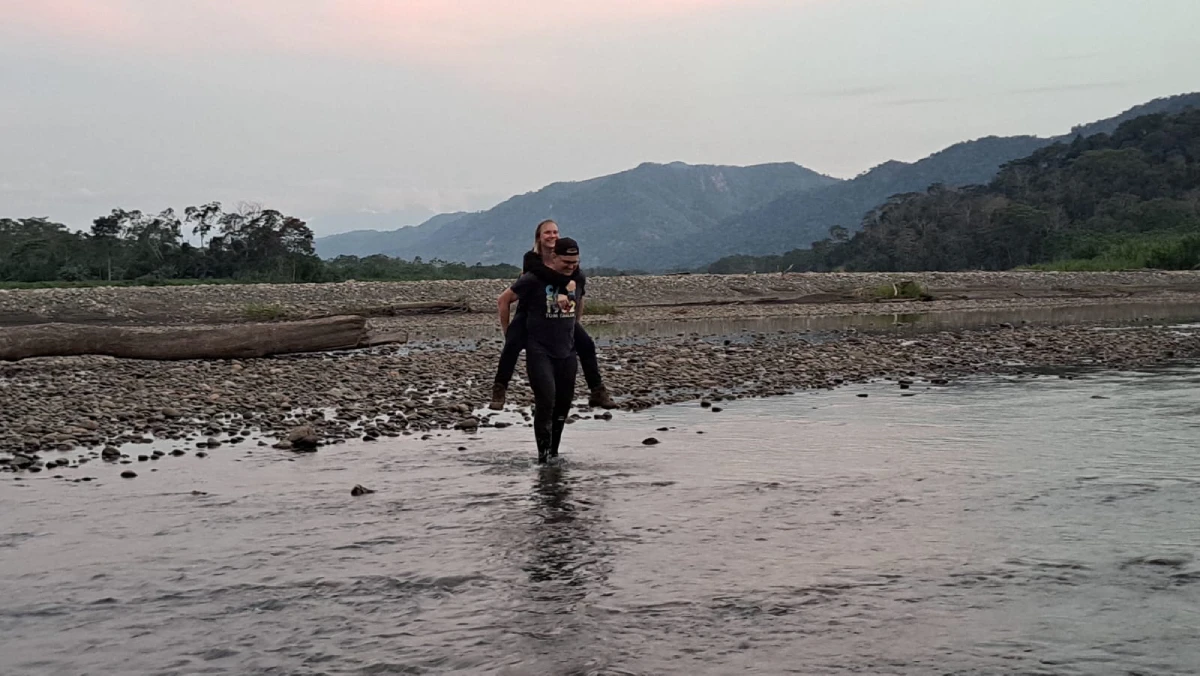
The terrain in Manu is often uneven, muddy, and slippery.
- Rubber boots (Rain boots): They are the most important footwear for hikes. Most lodges provide them, but it is essential to confirm availability and your size in advance.
- Water-resistant hiking shoes: An alternative if you prefer to bring your own footwear. Make sure they have a good grip and are well broken in to avoid blisters.
- Sandals, flip-flops, or lightweight sneakers: Essential to use at the lodge, in the showers, and to let your feet rest after a day of hiking in boots.
III. Optical and Photographic Equipment: Capture the Biodiversity
Manu is a paradise for wildlife observation, but animals can be elusive and distant.
- High-quality binoculars: An indispensable item to fully enjoy the experience. 8×42 or 10×42 magnification is recommended for a good field of view and brightness in low-light conditions in the understory. Although they can be rented, quality is usually limited.
- Camera with extra batteries and memory cards: Humidity can drain batteries faster than normal. A power bank or solar charger is highly recommended, as electricity in the lodges is limited and usually comes from generators that run only a few hours a day.
- Telephoto lens (100-400mm or 150-600mm): Crucial for bird and wildlife photography, allowing you to capture detailed images from a distance without disturbing the fauna.
- Monopod: More practical and easier to handle than a tripod in the dense jungle vegetation.
- Dry bags or waterproof covers: Essential for protecting all your electronic equipment from rain and high humidity.

IV. First Aid Kit: Complete and Adapted to the Jungle
It is essential to bring a well-stocked first aid kit, as access to pharmacies is nonexistent in the jungle.
It should include:
A. Healing and Disinfection Materials:
- Wound cleaning supplies: Saline solution, disinfectant or surgical soap.
- Antiseptics: Povidone-iodine (Betadine®) to disinfect cuts.
- Bandages and dressings: Sterile gauze, dressings, band-aids of various sizes, and wound closure strips (Steri-strips®) to close small cuts.
- Tapes and wraps: Medical tape and elastic bandages.
- Tools: Round-tipped scissors, small tweezers, and latex or nitrile gloves.
B. Essential Medications:
- Analgesics and anti-inflammatories: Paracetamol or ibuprofen for mild pain or fever.
- Antidiarrheals: Loperamide (e.g., Imodium®) for mild cases of diarrhea, provided there is no fever or blood in the stool. Oral rehydration salts are crucial for replenishing electrolytes.
- Antihistamines: For allergic reactions to insect bites or plants (e.g., Loratadine or Cetirizine).
- Personal medications: Do not forget to bring a sufficient amount of any medication you take regularly, with its respective medical prescription if necessary.
C. Jungle-Specific Items:
- Insect repellent: The most important. It must contain between 30% and 50% DEET to be effective against Amazonian mosquitoes.
- Bite cream: Hydrocortisone or calamine cream to relieve itching and inflammation from bites.
- Antifungal cream or powder: The hot, humid environment is conducive to fungal infections (athlete’s foot, jock itch). Products with Clotrimazole or Miconazole are recommended as a preventive measure or treatment.
- Sunscreen: High factor (SPF 50+), preferably water-resistant.
- Prior medical consultation: Visit your doctor or a travel medicine clinic before your trip to inform yourself about recommended vaccines (such as yellow fever) and malaria prophylaxis if necessary.
V. Documents and Personal Items
- ID and/or Passport: Original and valid. It is mandatory for registering at the park’s checkpoints. Also carry a photocopy or a photo on your mobile phone separately.
- Cash (Peruvian soles): There are no ATMs in the jungle. You will need cash in small denominations for tips, drinks, handicrafts, or any expenses not included.
- Travel insurance information: It is highly recommended to have insurance that covers medical evacuations in remote areas.
- Personal hygiene items: Include soap, shampoo (preferably biodegradable), toothbrush, and toothpaste.
- Headlamp or flashlight with spare batteries: Essential for walking around the lodges at night and for night hikes.
- Reusable water bottle: For the first day of the trip and to refill at the lodges, reducing plastic consumption.
- Small backpack or daypack (30L): To carry the essentials on daily excursions such as water, repellent, sunscreen, binoculars, and your camera.
- Quick-dry towel: Lightweight, compact, and very useful for drying off after a dip or rain.
Packing your luggage consciously and strategically is the first step toward a successful and memorable immersion in the extraordinary Manu jungle. Have a good trip!