
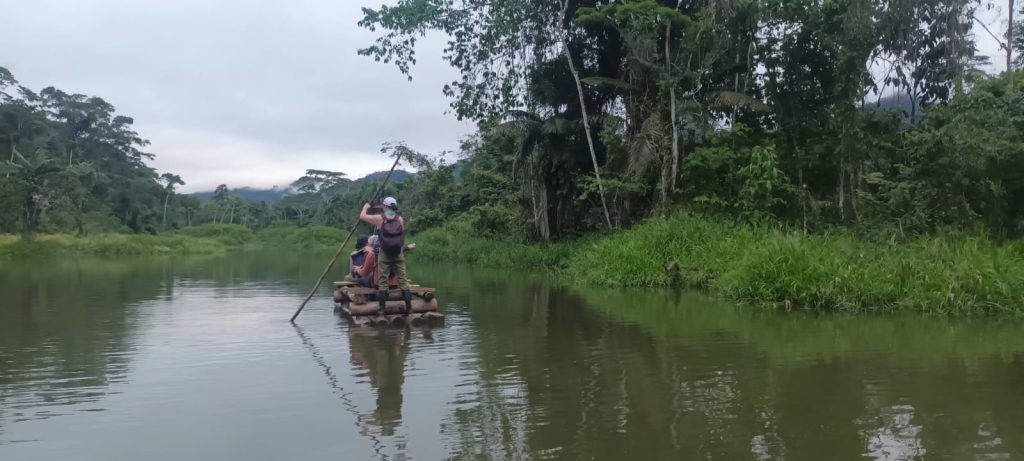
Manu National Park is a core area within the biosphere reserve, covering over 1.5 million hectares. It is famous for its extraordinary biodiversity, being home to thousands of species of flora and fauna.
This protected region is a testament to the wonders of the Amazon rainforest, where the natural world thrives in a delicate balance. A 4-day tour to Manu National Park is the ideal way to get to know this place. Visitors are often amazed by its vast size and the connection between its ecosystems, which sustain an incredible variety of life forms.
Diverse Ecosystems: From the Lowland Jungle to the Cloud Forest
The park features different ecosystems, from the lowland tropical rainforests teeming with life to the mysterious mist-covered cloud forests. Each ecosystem maintains its own group of species and processes.
- Lowland Jungle: Here, immense trees form a dense canopy that protects countless insects, birds, and mammals.
- Cloud Forest: As you climb, the environment changes significantly. With cooler temperatures and high humidity, unique plants like orchids and bromeliads grow.
Flora and Medicinal Plants
The flora of Manu is as diverse as its fauna, with some 4,000 species of plants. During your tour, you will discover that many of these plants have medicinal properties and are used by indigenous communities for traditional healing.
The immense trees, some over 60 meters tall, are the foundation of the forest and provide home and food to a vast number of creatures. In addition, the forest floor is a treasure trove of life, where fungi and small plants are key to the jungle’s nutrients.

The Night in the Rainforest
Exploring Manu at night shows a different side of the jungle, where nocturnal animals awaken. On a 4-day tour, guided night walks give you the opportunity to see creatures like the night monkey, bats, and various insects and amphibians.
The sounds of the jungle are heard much louder in the dark, creating an exciting and immersive experience. These nighttime adventures show how complex the park is and how its inhabitants adapt.
Main Fauna of Manu
The reserve is full of wildlife, offering the chance to see some of the most well-known animals of the Amazon during your expedition.
| Animal | Characteristics | Your Experience |
|---|---|---|
| Jaguar | A stealthy hunter, symbol of power and mystery in the dense jungle. | Seeing this powerful feline in its habitat is a privilege and shows that the ecosystem is very healthy. |
| Anaconda | The largest snake in the world. It moves silently through the water. | They are perfectly adapted to water and help control the population of other animals. |
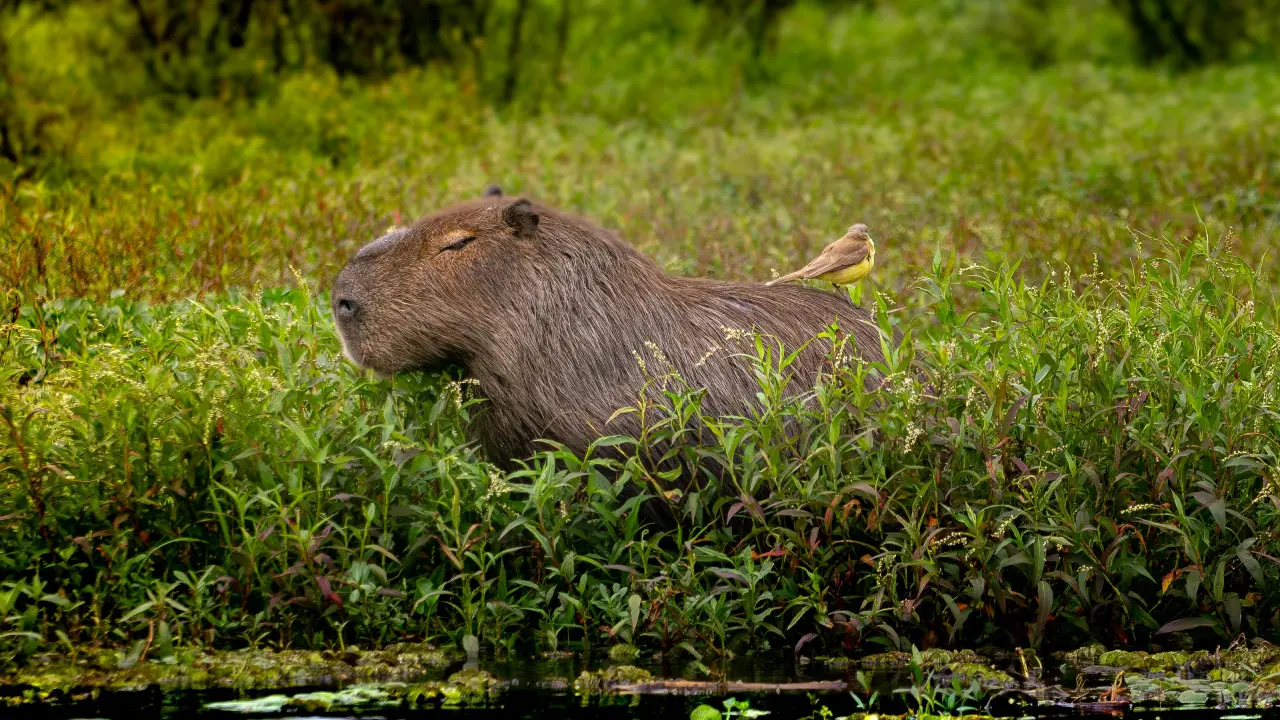
| Capybara | The world’s largest rodent, known for being very social and calm. | You will see them resting in the sun in family groups near the river, showing the tranquility of life in Manu. |
The Paradise for Birdwatching
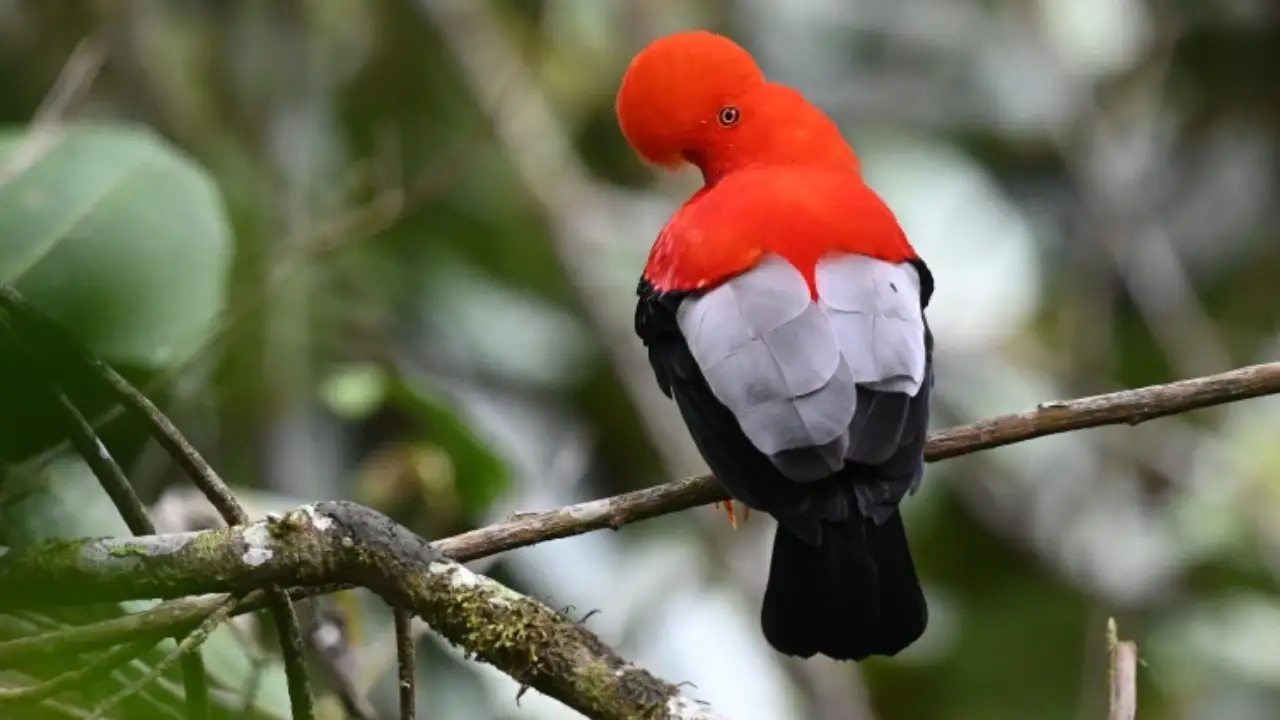
Manu is perfect for birdwatching. The reserve has over 1,000 bird species, making it a must-visit place if you love animals. A 4-day tour will give you the perfect amount of time to enjoy this spectacle.
Macaws
Macaws are among the most striking birds in Manu due to their bright colors and loud calls. Large groups can be seen feeding at the clay licks, where they eat minerals that help them digest. Seeing these sociable birds fly is a beautiful sight because of how their colors stand out against the green of the forest.
Harpy Eagle
The harpy eagle is one of the largest and most powerful birds of prey in the forest. With its immense wings and imposing appearance, it commands great respect. Seeing a harpy eagle is something very special for birdwatchers, as they are hard to find and need a lot of space to live. Their presence demonstrates the importance of protecting the area.
Rivers and Aquatic Animals
The Amazon River and its smaller rivers are vital because they keep Manu’s ecosystems alive. As you cruise along the river, the plants and calm water are perfect for finding unforgettable aquatic animals. Additionally, the rivers have many fish, which in turn attract birds and mammals.
Giant Otters
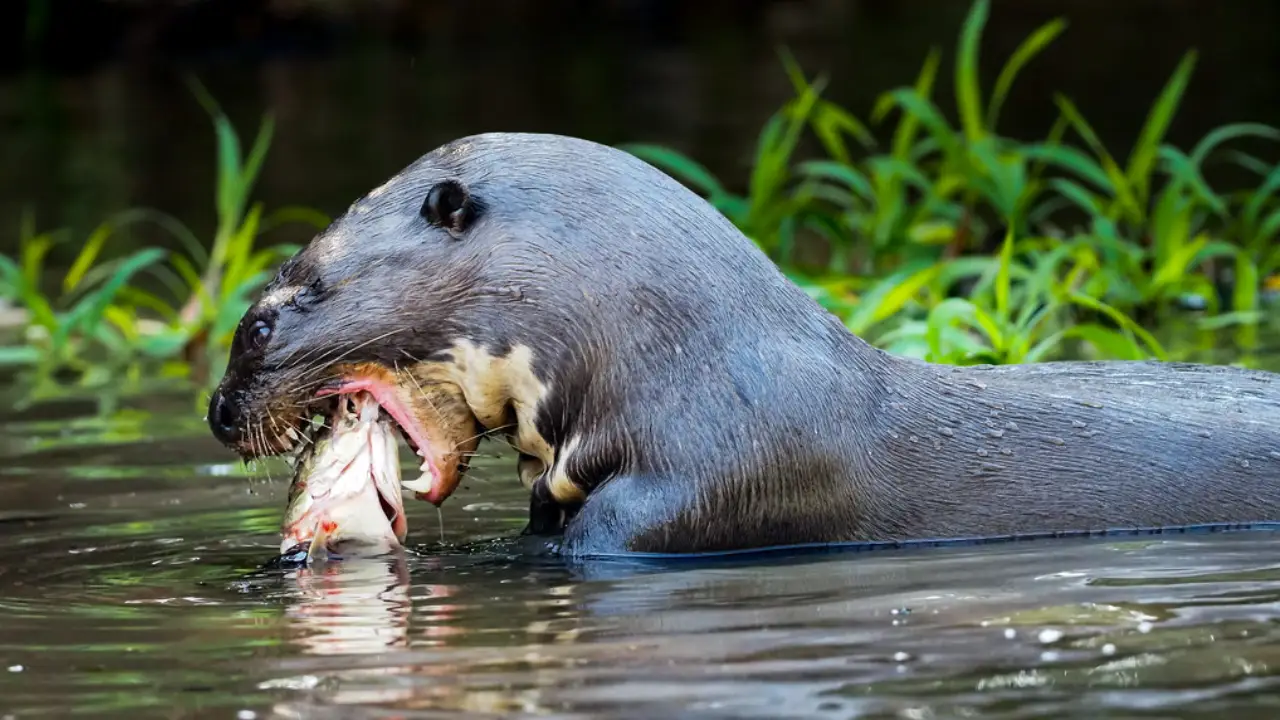
Giant otters are known for being very playful and noisy in their natural habitat. These social creatures live in families and hunt together. Seeing how they interact shows how complex they are. Furthermore, their presence means the water is clean and the ecosystem is healthy, making them very important to Manu.
Amazon River Dolphins (Pink Dolphins)
The Amazon River is home to the mysterious pink dolphins, which attract a lot of attention for their unique color and playful nature. Often, these intelligent mammals swim in calm waters and approach boats out of curiosity. Encountering them is a magical experience and highlights why it is so important to protect the rivers.
Sustainable Tourism in Manu
Sustainable tourism is at the heart of the Manu Biosphere Reserve’s mission. That is why every tour and lodge focuses on eco-friendly practices that protect the animals and support the local people. By choosing to travel responsibly on your 4-day tour, you help with conservation while enjoying Manu. Tourism thus becomes a way to care for, educate, and value the culture.
| Sustainable Practice | Benefit |
|---|---|
| Eco-lodges | They reduce environmental impact while offering you comfort. |
| Local guides | They enhance your experience and directly support the local communities. |
| Responsible travel | Helps protect Manu’s ecosystems for the future. |
Indigenous Communities and Culture
The Manu region is not only a safe haven for animals, but also a very vibrant cultural area. Indigenous communities, such as the Matsigenka and Yine, have lived in peace with the land for many generations. Their deep connection to the forest is evident in their traditions, languages, and sustainable ways of life.
Conservation and Its Global Importance
The Manu Biosphere Reserve is very important for protecting the planet’s biodiversity. Being protected ensures that countless species survive and that nature takes its course. By visiting Manu, travelers aid these conservation efforts and support one of the most important ecosystems in the world.

Plan Your Visit
When planning a 4-day tour to Manu, think about the best time to go. The dry season, which is from May to September, has the best weather for seeing animals and hiking. Booking with trusted tour operators ensures a safe and educational trip, with guides who are passionate about showing the wonders of Manu.
Conclusion: A Journey to Discover
The Manu Biosphere Reserve is proof of the beauty and complexity of the Amazon rainforest. From its diverse animals to its rich culture, Manu offers a journey that will enchant travelers and nature lovers alike. By choosing sustainable tourism and supporting environmental care, visitors help preserve this natural wonder for the future.
Dare to live this adventure in Manu and feel the magic of the Peruvian Amazon. Every visit to this incredible reserve helps protect it and continue celebrating its ecological and cultural wealth.

