
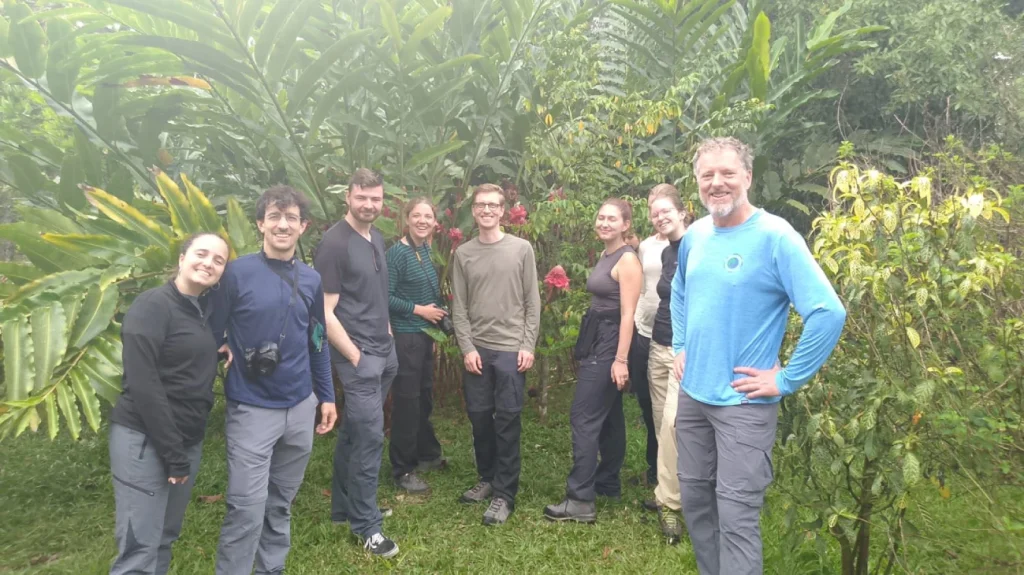
Packing for an expedition to Manu National Park, one of the most biodiverse areas on the planet, is a crucial step to ensure a safe, comfortable, and memorable experience. The Amazonian climate, characterized by its high humidity, frequent rain, and insects, along with the tour activities, dictate a careful and strategic selection of every item to pack. Below is an exhaustive list, categorized to facilitate your preparation.
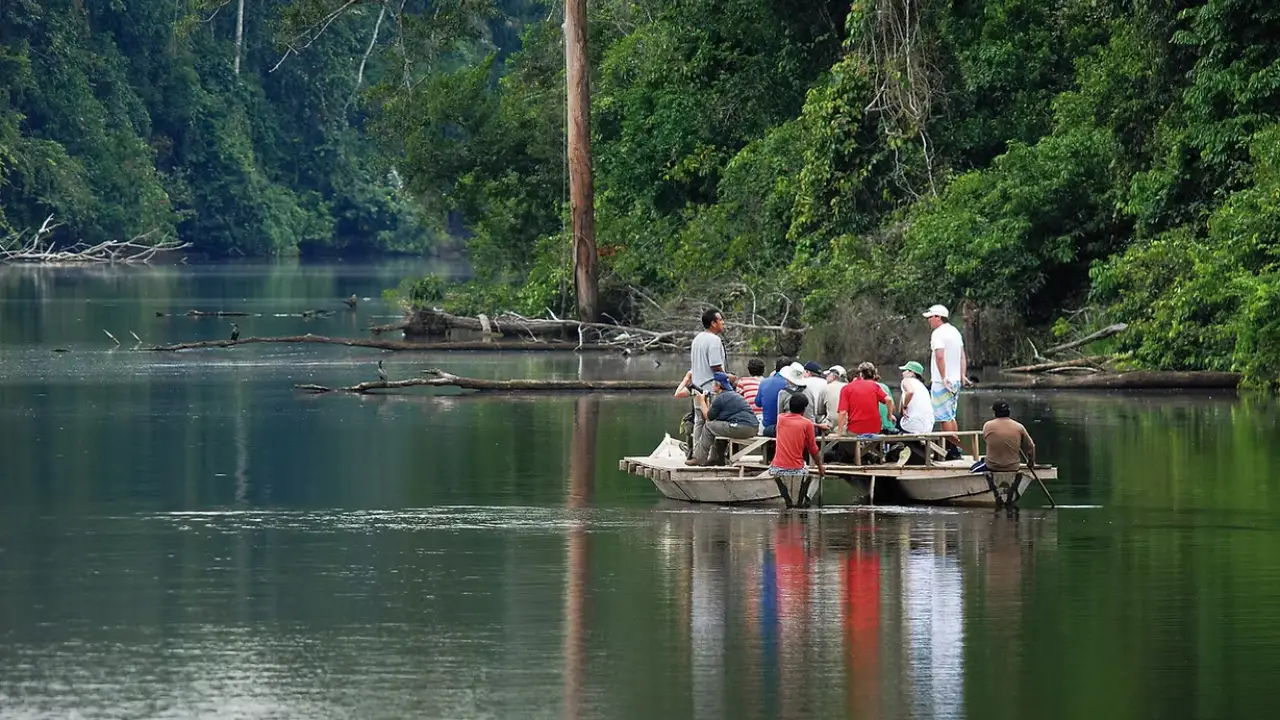
1. Clothing: Lightness, Protection, and Quick Drying
The key to dressing in the jungle is layering with appropriate materials that offer protection and comfort against the heat, humidity, and insects.
- Type of Clothing:
- Long-sleeved shirts and t-shirts (2-4 units): Your first line of defense against mosquito bites and vegetation. Opt for synthetic, lightweight, and breathable materials like nylon or polyester, which dry quickly. Avoid cotton, as it absorbs moisture, takes a long time to dry, and can cause chilling or skin irritation.
- Long trekking pants (2-3 pairs): Like the shirts, they should be made of quick-drying materials. Pants that convert into shorts can be versatile, but long pants are more protective. Do not bring jeans; they are heavy and take a long time to dry.
- Neutral or opaque-colored clothing: Bright colors can scare away wildlife and attract insects.
- Lightweight jacket or fleece (1 unit): Essential for cold mornings on boat rides or if your trip includes the cloud forest, where temperatures can drop.
- Good quality waterproof jacket or poncho (1 unit): Rain is a constant in the jungle, often torrential and unexpected. A good raincoat is essential to keep you dry during hikes and excursions.
- Swimwear (1 unit): Useful for cooling off in rivers, lakes, or the lodge showers.
- Long, thick socks (4-5 pairs): They should be made of moisture-wicking materials to keep your feet dry and prevent blisters. Long socks protect against boot chafing and bites.
- Clothing to wear at the lodge: Include comfortable clothes and sandals to relax at the end of the day.
2. Footwear: Versatility and Protection for All Terrains
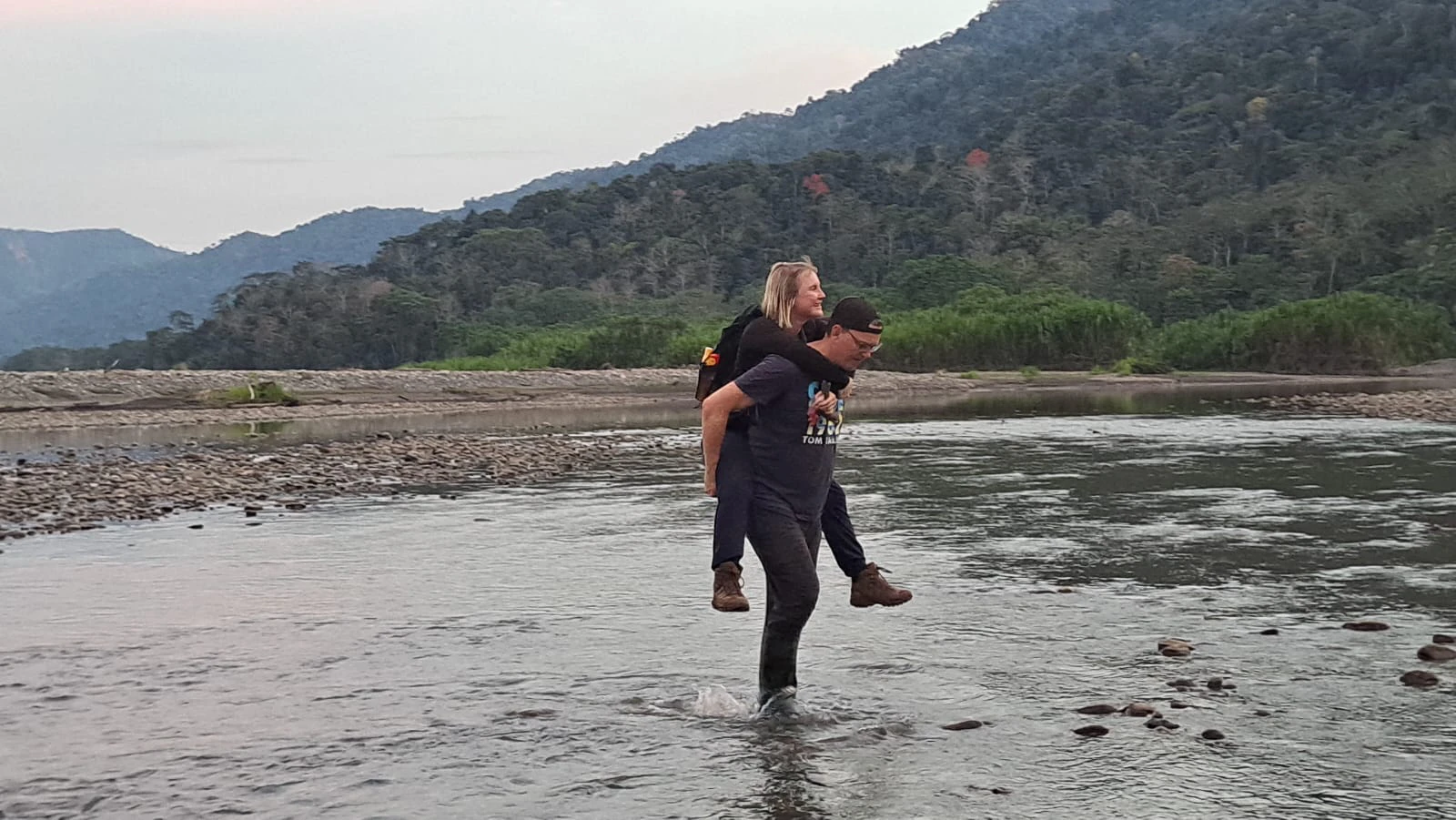
Proper footwear is essential to move safely through the diverse terrains of Manu.
- Trekking or hiking boots: A comfortable pair of boots, preferably waterproof and with good grip, is essential for jungle hikes. It is crucial that you have worn them before the trip to avoid blisters.
- Sandals or open shoes: Ideal for boat transfers and resting at the lodges.
- Rubber boots: Many lodges provide them for muddy hikes, but it is good to confirm this with your tour operator.
3. Optical and Photographic Equipment: Capturing Biodiversity
Manu is a paradise for wildlife observation, and the right equipment will make a difference.
- Binoculars (essential): A good quality pair of binoculars (models like 8×42 or 10×42 are recommended) is vital for observing birds and other animals in the vastness of the forest canopy.
- Camera:
- Camera body: A DSLR or mirrorless camera with good low-light performance (high ISO) is ideal.
- Telephoto lenses: For bird and mammal photography, a 100-400mm or 200-600mm lens is highly recommended. A more versatile lens like a 70-200mm is also a good option.
- Macro lens: If you are interested in insect and amphibian photography.
- Essential Accessories:
- Extra batteries and portable charger (power bank): Humidity and cold can drain batteries quickly, and electricity at the lodges is usually limited.
- Extra memory cards.
- Dry bags and waterproof covers: To protect your electronic equipment from extreme humidity and torrential rains. Do not rely solely on your backpack’s rain cover.
- Monopod: More practical and easier to handle in the dense jungle than a tripod.

4. Jungle First Aid Kit
Although guides carry first aid kits, it is crucial to have a personal kit for minor emergencies and specific needs.
- Personal Medications: Include any medication you take regularly, with its respective prescription.
- Pain relievers and antipyretics (fever reducers): Paracetamol is recommended in areas with a risk of dengue.
- Antihistamines and hydrocortisone cream: For allergic reactions and to relieve itching from bites.
- Insect repellent: Essential. Look for one with at least 30% DEET or a recommended alternative for tropical areas.
- High SPF sunscreen and lip balm.
- Healing supplies: Band-aids (plasters), sterile gauze, adhesive tape, antiseptic, and disinfectant wipes.
- Treatment for stomach problems: Antidiarrheals and oral rehydration salts.
- Others: Tweezers, small scissors, and a digital thermometer.
5. Documents and Personal Items
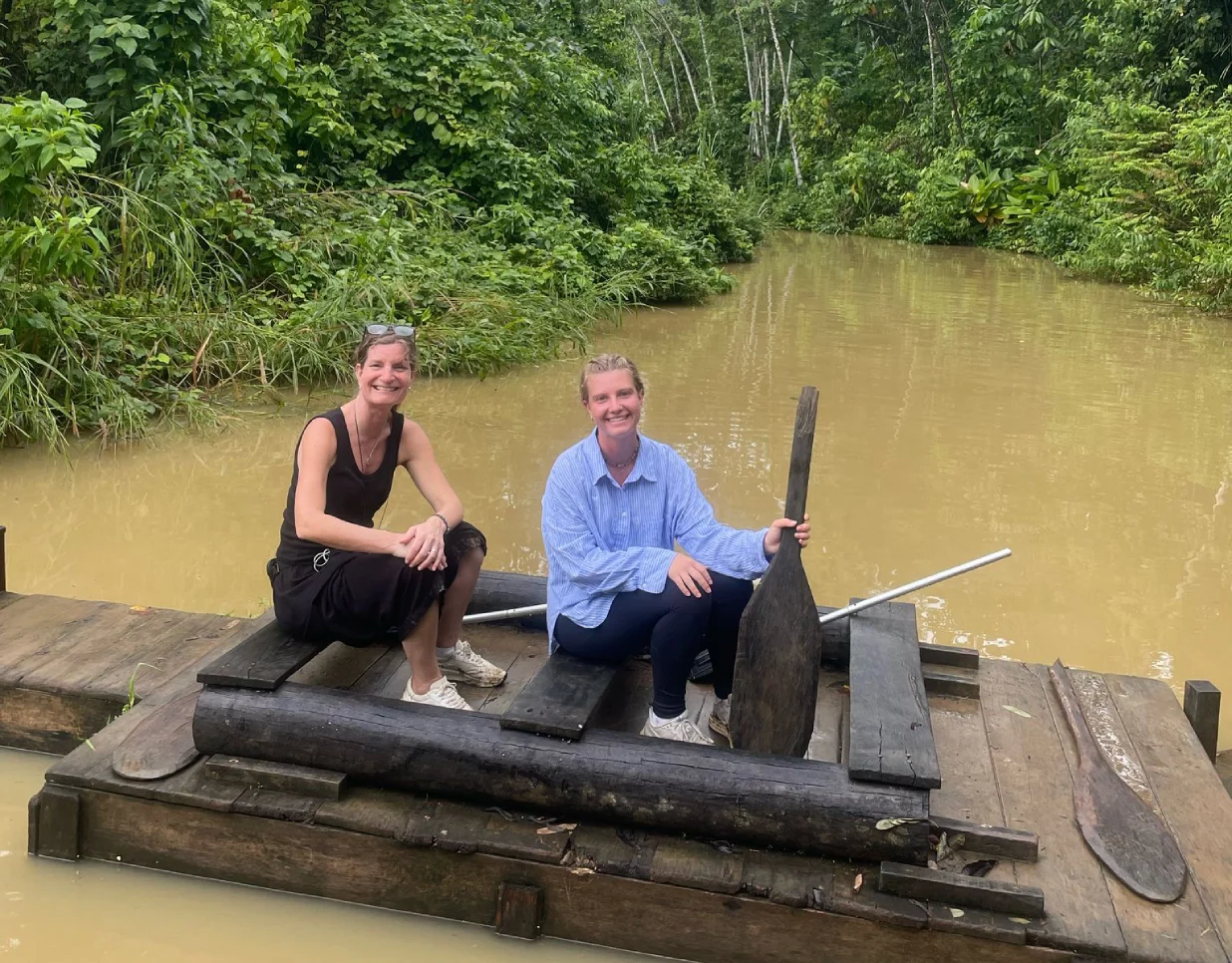
Organizing your documents and other personal items is vital for a smooth trip.
- Documentation:
- Original and valid passport: Essential to register at the park’s checkpoints.
- Photocopies of passport and other important documents: Keep them separate from the originals.
- Travel insurance information.
- Cash (Peruvian soles): There are no ATMs in the jungle, and it is useful for tips or buying local crafts.
- Personal Items:
- Backpack: A main backpack of about 40-50 liters and a small daypack to carry water, repellent, camera, and snacks during excursions.
- Headlamp with spare batteries: Essential for night hikes and moving around the lodge when the electricity is off.
- Reusable water bottle or canteen.
- Quick-dry towel.
- Sunglasses and wide-brimmed hat: To protect yourself from the intense sun.
- Water purification tablets or system: Although lodges usually provide drinking water, it is a good precaution.
- Plastic or ziplock bags: To organize and keep clothes and other items dry.
Finally, one of the most important things you should bring is a responsible and respectful attitude towards the fragile ecosystem of Manu and its local communities. By following these recommendations, you will be well prepared to fully immerse yourself in the extraordinary experience offered by this corner of the Peruvian Amazon.

