
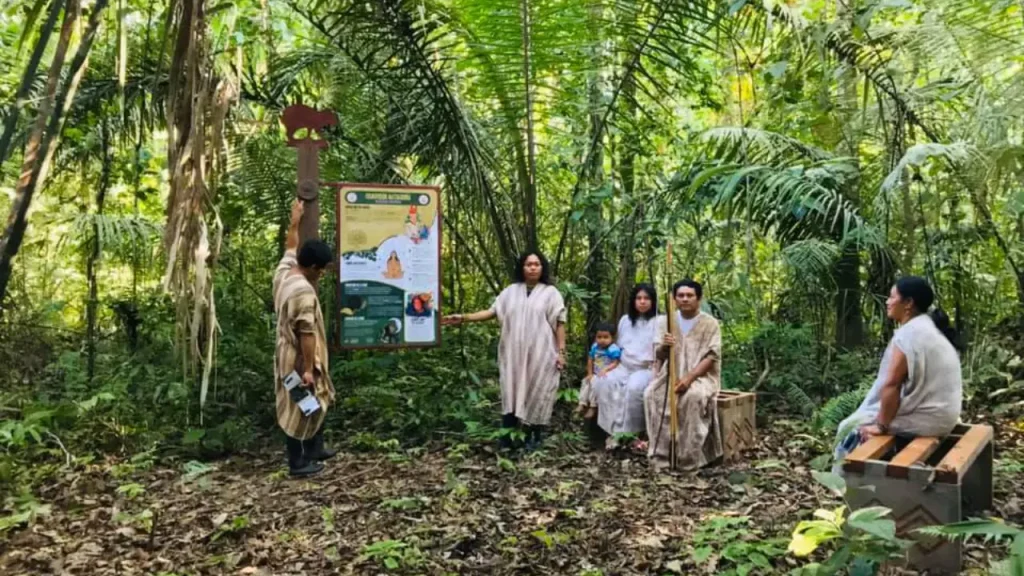
Immersing oneself in the Reserved Zone of the Manu National Park offers one of the most authentic ecotourism experiences in the Peruvian Amazon: living with the indigenous Matsigenka community. Through a sustainable tourism project centered around the Casa Matsiguenka, visitors have the unique opportunity to explore overwhelming biodiversity while learning directly from the ancestral guardians of this territory. This enterprise, managed by the communities themselves, not only provides a window into a millenary culture, but also represents a model for conservation and community development.
Accommodation in the Heart of the Jungle: Casa Matsiguenka
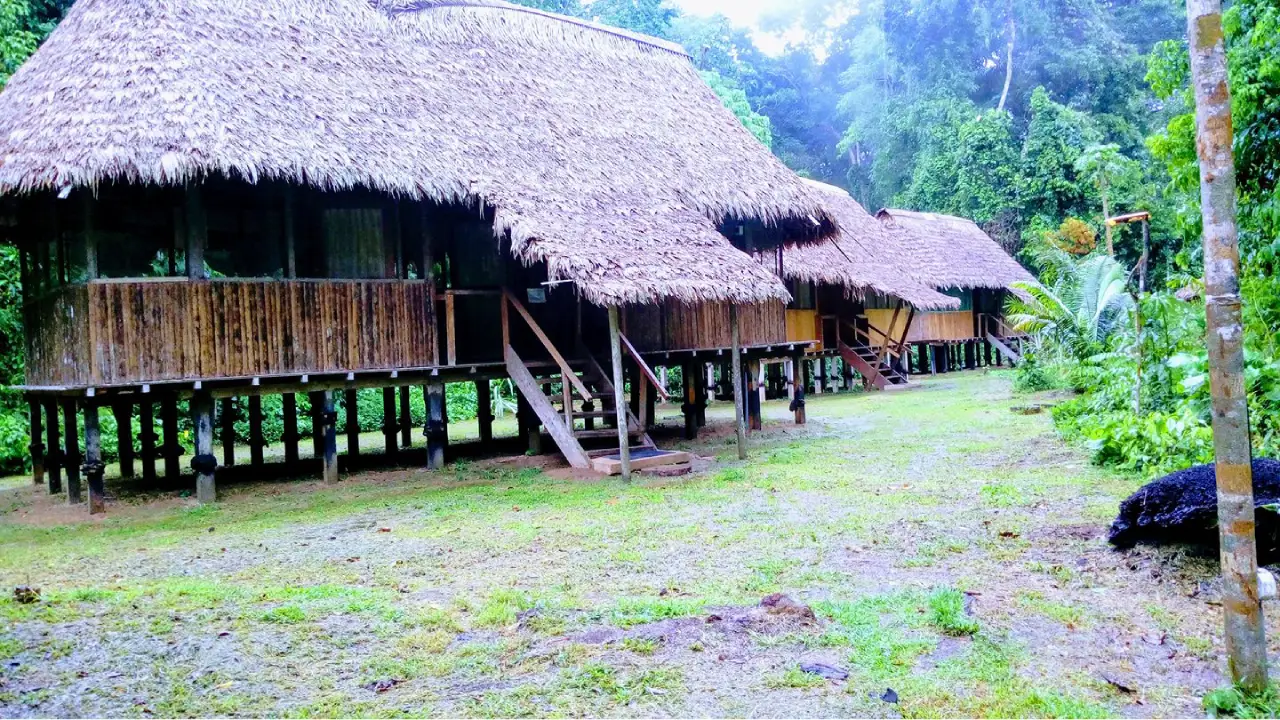
Casa Matsiguenka is an ecotourism lodge located in the heart of the Manu Reserved Zone, managed by the Matsigenka communities of Tayakome and Yomibato. The design of the accommodation is inspired by their traditional lifestyle, offering a rustic yet comfortable experience that integrates harmoniously with the natural environment.
The lodge consists of bungalows built with local materials, housing double rooms. One source specifies the existence of four bungalows, each with three double rooms. Despite its remoteness, the facilities surprise with their good condition and cleanliness, equipped with comfortable beds and mosquito nets to ensure a pleasant rest. Notably, the lodge has electricity generated by solar panels and, according to some reports, even Wi-Fi access, an unexpected luxury in the middle of the jungle.
Cultural Immersion and Learning Activities
The stay at Casa Matsiguenka goes beyond observing nature; it is a deep immersion into the living culture of the Matsigenka. The hosts and guides, members of the community, share their ancestral knowledge through various activities.
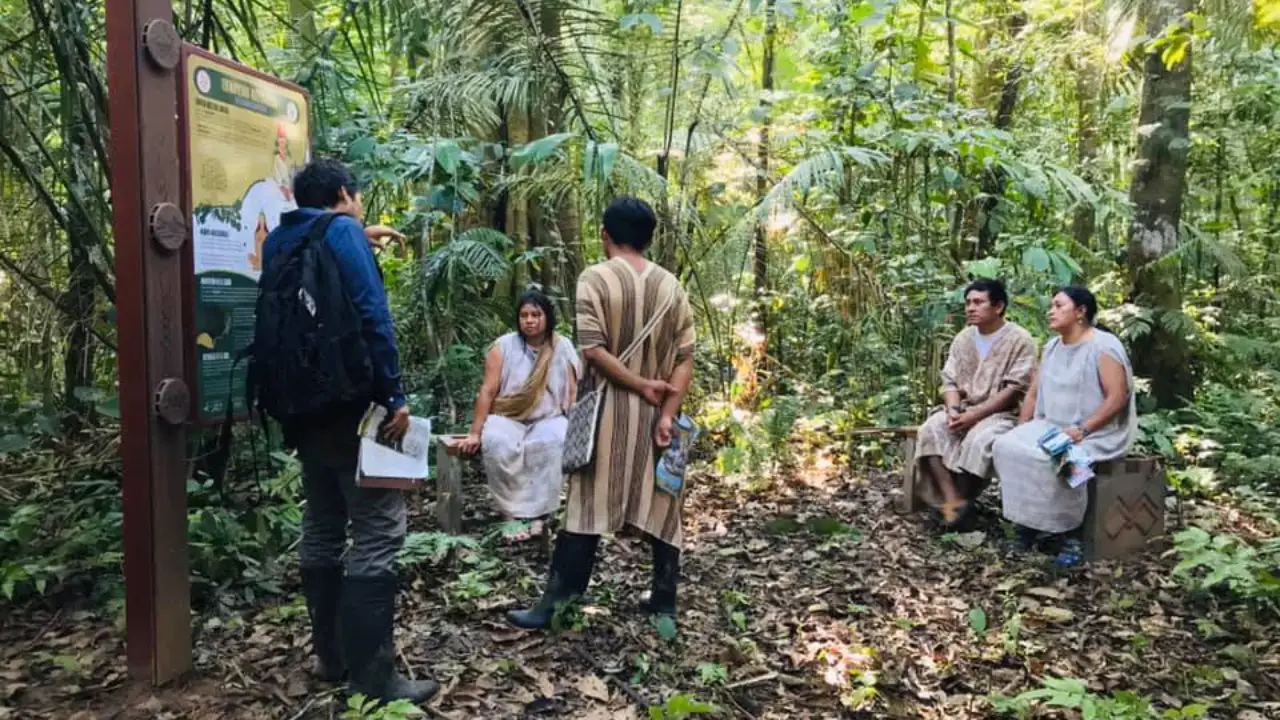
Ethnobotanical Walks and Survival: Local guides lead hikes along the jungle trails, sharing their profound knowledge of the flora and fauna. Visitors can learn to identify medicinal plants, such as “piripiri” used to treat ailments, and discover traditional hunting, fishing, and jungle survival techniques.
Craft Demonstrations and Cultural Practices: Travelers have the opportunity to participate in craft workshops, learning firsthand the techniques used to create textiles and other objects. Demonstrations of cultural practices such as bow and arrow shooting are also offered.
Tales of their Cosmovision: One of the most enriching facets of the experience is the exchange of stories about the Matsigenka cosmovision. Their universe is conceived from five levels: the world inhabited by humans called Kipatsi, two upper levels (Menkoripatsa and Inkite) and two lower ones (Kamavira and Gamaaironi). Visitors can listen to stories and myths, such as the tale of the Moon (Kashiri), which are passed down from generation to generation and reveal their deep spiritual connection with every element of the forest. Their conception of time is cyclical, marked by the seasons, a knowledge they also share with visitors.
Benefits of Sustainable Tourism for the Community
The Casa Matsiguenka project is a community ecotourism initiative that generates direct and tangible benefits for the communities of Tayakome and Yomibato.
- Income Generation and Development: The economic income from the lodge is reinvested directly into the community, supporting vital areas such as education and health. This business model, where the community is the owner and manager, ensures that the benefits of tourism remain in the territory, improving the quality of life of its inhabitants.
- Cultural Conservation and Empowerment: Tourism has become a tool for the conservation of their cultural identity. By sharing their traditions, language, and cosmovision with visitors, the Matsigenka strengthen their own culture and feel proud of their heritage. The project also generates employment and trains young people as local guides, providing them with new opportunities and an active role in the conservation of their territory.
- Environmental Protection: Being the main beneficiaries of the park’s conservation, the community has a direct incentive to protect the extraordinary biodiversity that attracts visitors, becoming the most effective guardians of the forest.
Estimated Costs for Manu Tours
The price of an expedition to Manu varies significantly depending on the area visited and the length of the trip. The logistics of reaching the most remote areas, including the transport of fuel over hundreds of kilometers, and park entrance fees, are the main factors influencing the cost.
Short Tours to the Cultural Zone (3-5 days)
- Estimated price range: Between $300 and $600 USD per person.
- Ideal for: Travelers with limited time or a tighter budget. It offers an excellent glimpse of the high jungle and local life.
Long Expeditions to the Reserved Zone (5-8 days)
- Estimated price range: Between $800 and over $1,500 USD per person.
- Ideal for: Those seeking a deep immersion and the best opportunities for spotting emblematic wildlife such as giant otters, black caimans, and jaguars.
Included Services and Additional Expenses
Generally included in the tour cost:
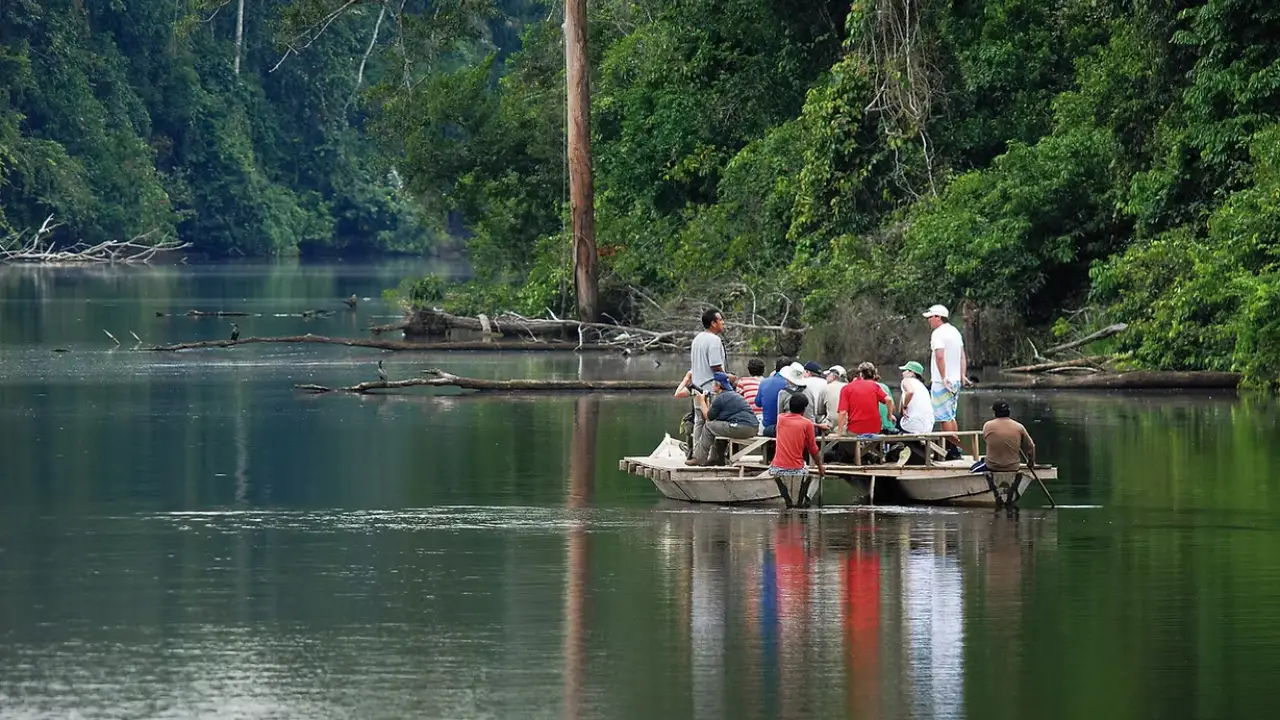
- Transportation: Land (bus or van) and river (motorized boat) to and from Cusco.
- Accommodation: Nights in the lodges specified in the itinerary.
- Meals: Most meals (breakfasts, lunches, and dinners), though with exceptions. Bottled water from the second day is usually included.
- Guides: Bilingual naturalist guides (Spanish and English).
- Entrance fees: Entry permit to the Manu National Park.
- Basic equipment: Rubber boots and life jackets.
Additional expenses a traveler should anticipate:
- Meals not included: Generally the breakfast on the first day and the dinner on the last day.
- Drinks: Water for the first day, alcoholic beverages, and sodas.
- Tips: For the guide, lodge staff, and boat crew.
- Souvenirs and crafts: Purchasing crafts directly from the communities.
- Travel insurance: Essential and usually not included.
- Personal expenses: It is recommended to bring cash (at least S/. 200) for unforeseen expenses.

