
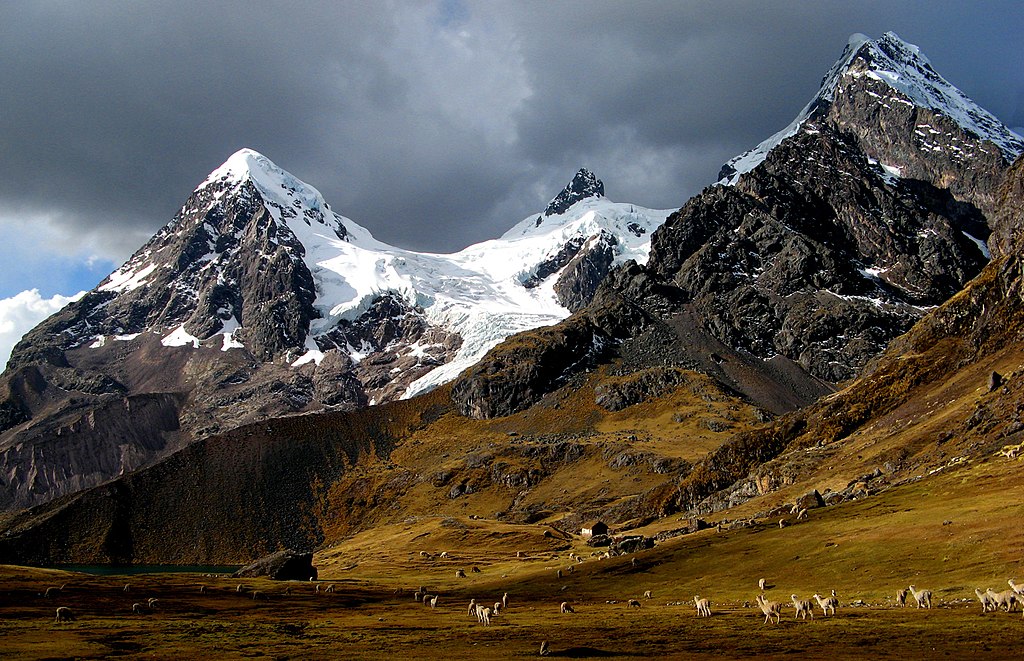
Planning a trek to Ausangate? Understanding the Ausangate weather is essential to ensure your adventure is both safe and unforgettable. This high-altitude region in Peru offers breathtaking views, but the weather conditions can vary drastically depending on the time of year. In this guide, we’ll explore the best seasons, risky months to avoid, what to pack, and what alternatives you can consider if conditions aren’t favorable.
Ausangate Weather by Season: When Is the Best Time to Go?
Dry Season (May to September)
This is the best time to visit Ausangate. Days are usually sunny, with clear skies and minimal rainfall. Daytime temperatures range from 12°C to 25°C (53°F to 77°F), but nights are cold, dropping as low as -7°C (19°F). Despite the cold, trails are firm, and the panoramic views are stunning.
Rainy Season (October to March)
During this period, rainfall increases, making trails muddy and sometimes dangerous. Fog is common, visibility is limited, and landslides can occur. While the landscape becomes lush and green, trekking conditions can be challenging.
What Is the Riskiest Month to Visit Ausangate?
February is considered the most difficult and risky month to visit Ausangate due to intense rainfall. Key issues include:
-
Flooded or closed trails
-
Low visibility due to dense fog
-
High risk of landslides
-
Many agencies suspend tours for safety reasons
Tip: If possible, avoid traveling in February and plan your hike during the dry season.
Why You Should Travel with a Specialized Trekking Agency
Ausangate is not just a regular day hike—it’s a high-altitude adventure in remote and changing conditions. Going with a specialized trekking agency ensures safety, logistics, and peace of mind. These agencies provide certified guides, proper equipment, meals, and backup plans for unexpected situations. Many also work with local communities, creating a more sustainable and respectful travel experience. If this is your first multi-day trek in the Andes, going with a professional agency can truly make the difference between a tough experience and an unforgettable one.
What to Pack for the Ausangate Trek
-
Thermal clothing (especially for cold nights)
-
Rain jacket or poncho (especially from October to April)
-
Comfortable, waterproof trekking boots
-
Sunscreen, sunglasses, and a sun hat
-
Trekking poles
-
Sleeping bag suitable for below-freezing temperatures
Can’t Hike Ausangate? Here Are Some Great Alternatives
If weather conditions don’t allow for Ausangate, or if you’re looking for something more accessible, these routes offer incredible landscapes, culture, and adventure:
Rainbow Mountain (Vinicunca), Palcoyo, Sacred Valley of the Incas, Lares Trek, Salkantay Trek, Huchuy Qosqo, Humantay Lake.
The weather in Ausangate can be unpredictable, but with the right planning and preparation, it can become one of the most memorable adventures of your life. And if the timing doesn’t work out, Peru offers plenty of breathtaking alternatives. The most important thing is to stay informed, make smart decisions, and enjoy every step of the journey.

